Author: mike
-

The Near Miss Nobody Reported May Matter More Than the Injury You Investigated
With every unreported near miss, your organization absorbs invisible risk-a silent precursor to harm that often carries more warning value than the incidents you formally document. You investigate injuries, but the event that didn’t result in harm, the one no one logged, may reveal the most dangerous gaps in your safety culture. Key Takeaways: A…
-

Your PPE Program May Be Compliant-and Still Be Failing
You check every regulatory box and pass every inspection, yet injuries still occur. Compliance does not guarantee safety. A program can meet OSHA standards and still leave workers exposed to preventable harm. The equipment may be present, but if it’s not used correctly-or at all-your team remains at risk. Real protection goes beyond paperwork. Key…
-

The Real Reason Workers Stop Reporting Hazards
With your first near-miss report met with silence, you begin to question whether speaking up matters at all. When follow-up vanishes and actions stall, the real reason workers stop reporting hazards isn’t apathy-it’s learned futility. Each unacknowledged submission reinforces a quiet conclusion: raising concerns changes nothing, and continued reporting only increases personal risk without benefit.…
-

Why Property Managers Need Stronger Control Over Third-Party Contractors
Most property managers delegate work to third-party contractors to save time and maintain operations, but unchecked access can expose properties to security breaches, cost overruns, and reputational harm. You are ultimately responsible for every repair, inspection, and visitor on site, even when the work is outsourced. A single unvetted electrician or plumber can compromise safety…
-
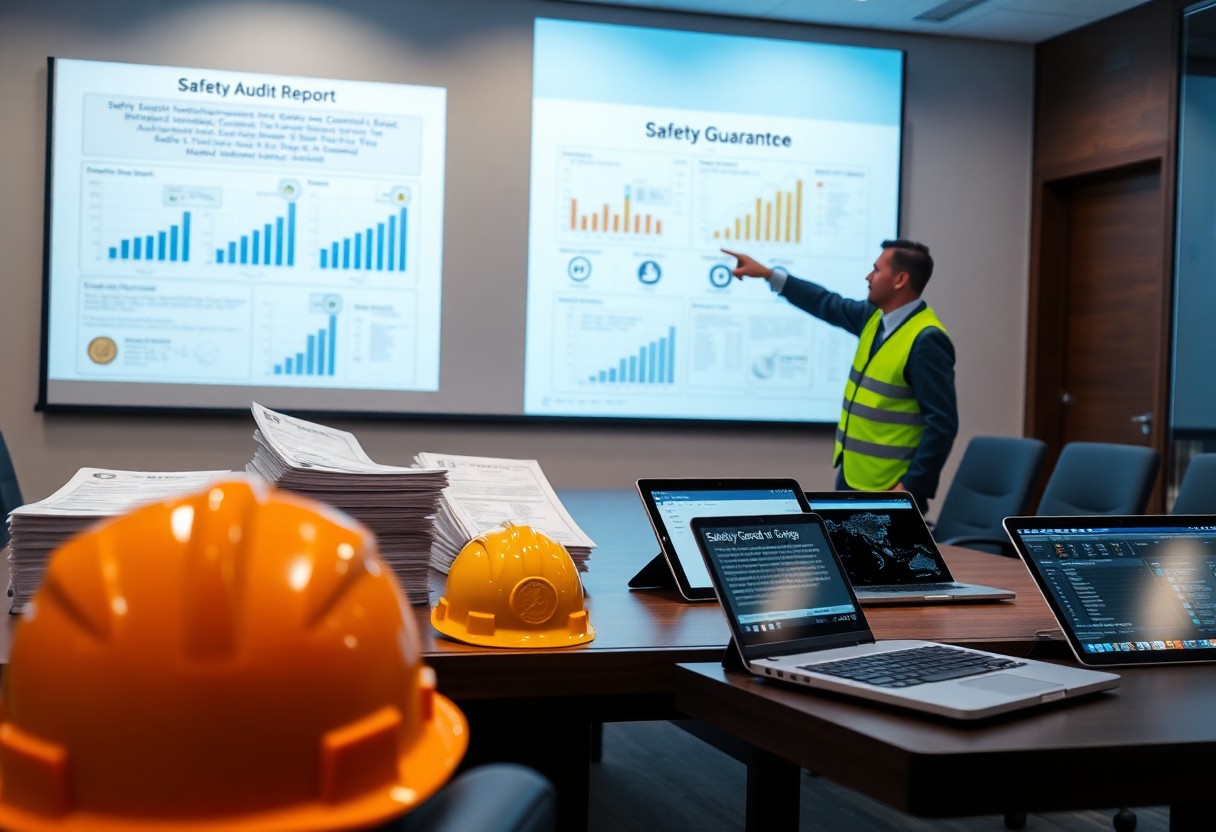
Is Your Board Receiving Safety Information-or Safety Reassurance?
Board meetings often feature clean dashboards, steady metrics, and confident summaries-yet these signals may reflect reassurance more than reality. You rely on safety data to make strategic decisions, but when incident rates are low and compliance is high, the absence of bad news can mask emerging risks. What you’re not seeing might be more telling…
-

The Working-at-Heights Gap Ontario Employers Often Discover Too Late
Over 20% of workplace fatalities in Ontario involve falls, and you may not realize your current training fails to meet the province’s mandatory working-at-heights requirements. Many employers assume basic orientation is enough, but only Ministry-approved training with hands-on components satisfies the law. When inspectors arrive, the gap between compliance and assumption becomes dangerously clear. Key…
-

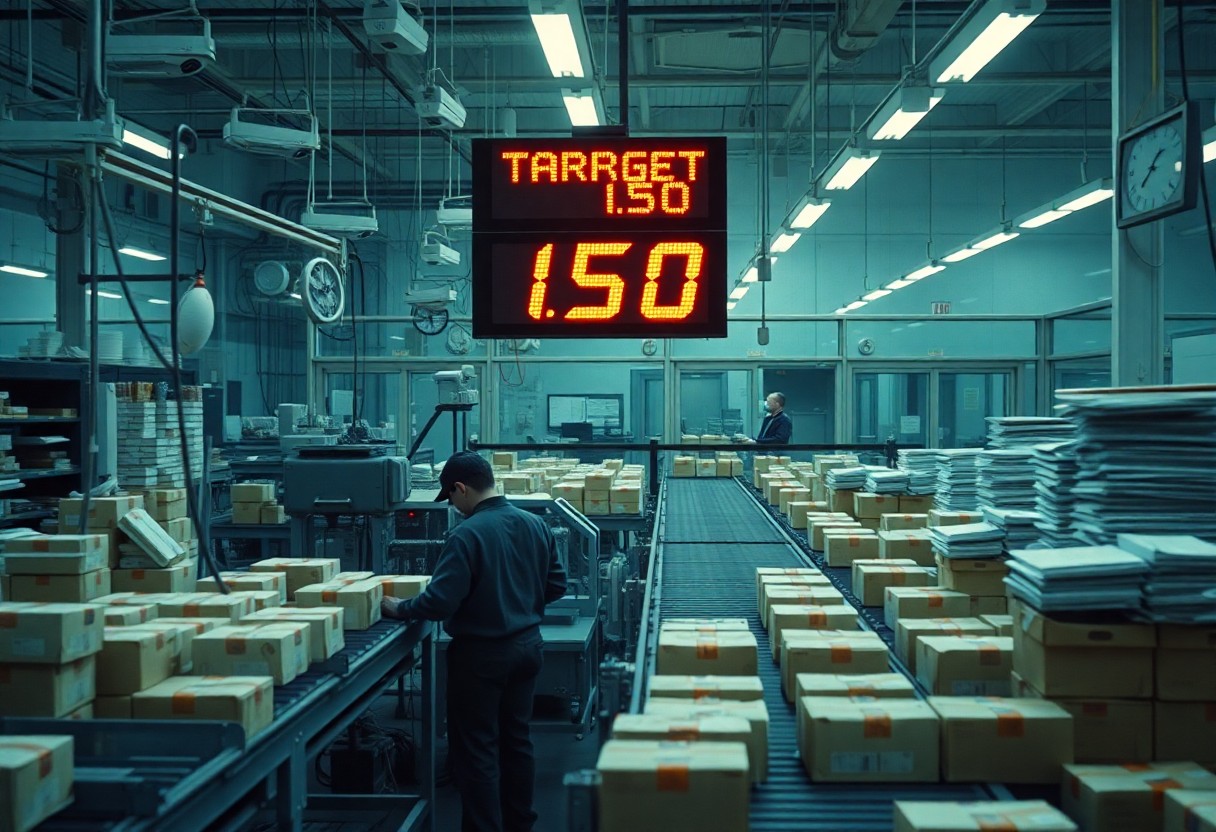
How Production Targets Quietly Influence Unsafe Decisions
With daily output goals shaping priorities across industries, you face subtle pressure that can shift safety to the background. Meeting targets often feels non-negotiable, and even minor shortcuts-skipping equipment checks, bypassing lockout procedures, or working at unsafe speeds-become routine. In high-pressure environments, the most dangerous risks aren’t mechanical failures but normalized compromises, quietly accepted to…
-

What York Region Employers Should Know About Supervisor Accountability
There’s a legal expectation in Ontario that supervisors actively uphold workplace safety standards, not just observe them. You are directly responsible for identifying hazards, enforcing protocols, and ensuring team compliance. A single oversight can trigger significant fines or criminal charges, especially if an incident occurs. Your role extends beyond management-it carries personal liability under the…
-

The Mental Health Risk Hidden Inside “High-Performance” Workplaces
Mental exhaustion often masquerades as dedication in environments that reward constant output, and you may not realize you’re at risk until symptoms become severe and persistent. High-performance cultures frequently normalize overwork, framing it as ambition, while quietly eroding psychological resilience. You’re expected to deliver results, yet the cost-measured in anxiety, insomnia, and emotional detachment-rarely enters…
-
Before You Blame the Worker, Examine the System That Shaped the Choice
With a single error, a nurse administers the wrong dosage, triggering an investigation, headlines, and swift disciplinary action. You see the mistake and assume negligence, but the real failure often lies not in the individual, but in the invisible pressures, flawed workflows, and unspoken incentives that shaped their decision. Systems quietly guide behavior, and blaming…