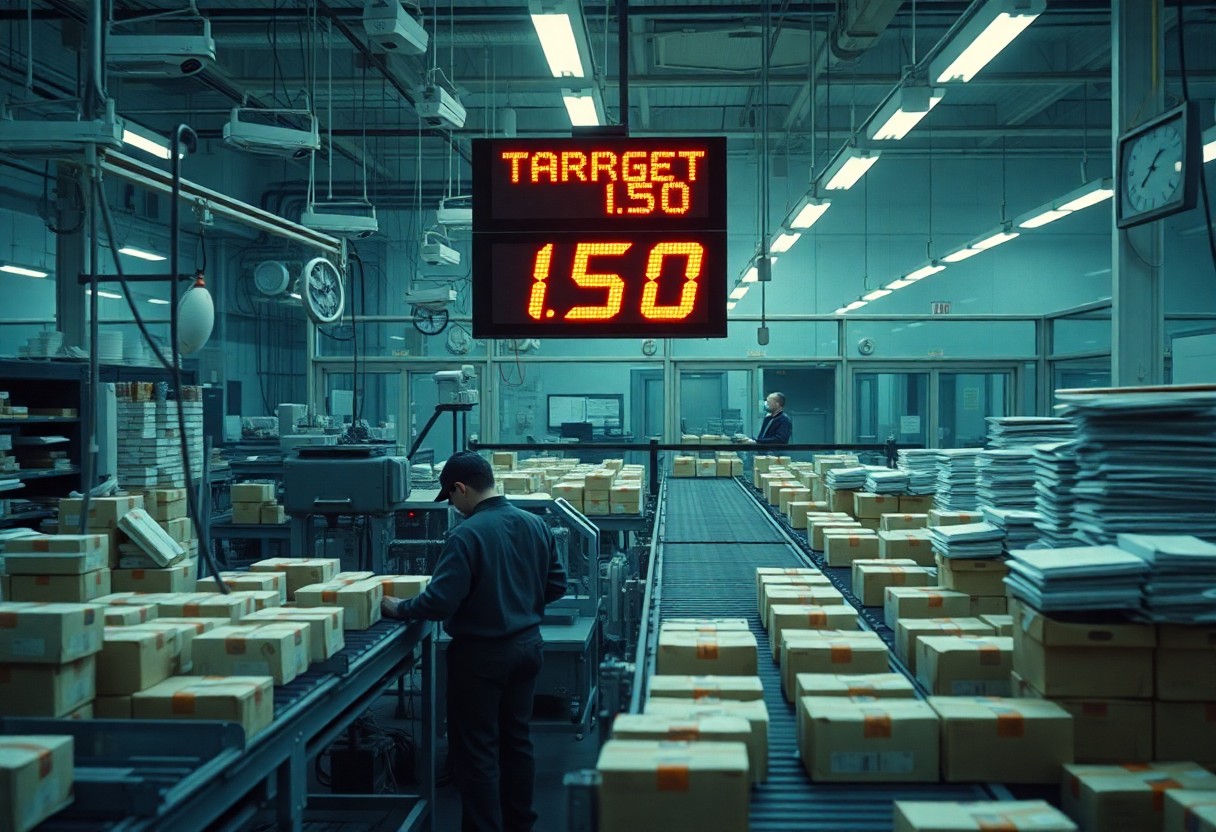
With a single error, a nurse administers the wrong dosage, triggering an investigation, headlines, and swift disciplinary action. You see the mistake and assume negligence, but the real failure often lies not in the individual, but in the invisible pressures, flawed workflows, and unspoken incentives that shaped their decision. Systems quietly guide behavior, and blaming the worker rarely prevents the next error.
Key Takeaways:
- A worker’s decision to cut corners often stems from systemic pressures such as unrealistic deadlines, not personal negligence-consider how a hospital nurse skipping documentation might be responding to understaffing rather than indifference.
- Performance metrics that reward speed over accuracy can quietly reshape behavior across an entire team, as seen in a mid-sized SaaS firm where support staff began misclassifying tickets to meet response-time targets.
- When errors recur, examining workflow design, training gaps, or conflicting incentives reveals more sustainable fixes than reprimanding individuals, such as when a manufacturing plant reduced defects by redesigning a confusing machine interface instead of retraining operators.
The Myth of the Lone Actor
Blaming an individual for a failure obscures the underlying conditions that made the error possible. A nurse skipping a checklist did not act in isolation-she worked three shifts due to understaffing, trained with outdated protocols, and faced constant pressure to move patients faster. Every action emerges from a network of influences, not spontaneous personal failure. You respond to the system you’re in, not one you designed.
Why We Push Pushing Doors
You encounter a door labeled “pull” yet instinctively push, and frustration follows. This common moment reveals how design shapes behavior more than intent does. When every office door on one side opens by pulling and the next by pushing, confusion persists regardless of signage. The system-its inconsistent cues-invites error, not the person. A hospital once reduced medication mistakes by 60% not by retraining staff but by redesigning vial labels and storage layouts. Your actions often respond to invisible signals built into the environment, not willful ignorance.
The Secret Language of Paychecks
Your paycheck does more than cover rent or groceries-it silently shapes your decisions, often in ways you don’t consciously recognize. When compensation structures prioritize speed over safety or reward output at the expense of well-being, you’re not making free choices, but responding to systemic incentives. A study on workplace behavior notes the unintended consequences of no blame ideology for how organizations overlook structural pressures that drive individual actions. The numbers in your bank account are not neutral; they carry expectations, often pushing you toward behaviors labeled as failures when, in truth, they are responses to design.
The Tribal Instinct
When you feel the urge to label a colleague’s mistake as careless, consider the unspoken norms that shaped their actions. Groups develop patterns of behavior, often rewarding speed over caution or silence over dissent, and these patterns become invisible rules. A team that celebrates overtime may unintentionally discourage efficient work. Pressure to conform can override individual judgment, turning isolated errors into predictable outcomes of group dynamics. You are not immune to these forces, no matter how independent you believe yourself to be.
The Sacrifice of the Scapegoat
Someone always takes the fall when systems fail, and it’s usually the person closest to the error, not the one who designed the conditions for it. You absorb the blame because it’s easier for the organization to label you negligent than to admit flawed workflows, unclear protocols, or chronic understaffing. The real danger lies in how quickly leadership silences systemic critique by offering you up, a pattern repeated in hospitals, factories, and tech support centers where individual punishment masks collective responsibility. A nurse administers the wrong dose not out of carelessness but because shift rotations were compressed to unsafe lengths. Her suspension solves nothing, yet satisfies the need for visible accountability. You become the sacrifice that keeps the machine running-unexamined, unquestioned, and unchanged.
To wrap up
When an employee makes a questionable decision, your first instinct might be to correct the individual, but you serve your team better by asking what in the system led to that choice. A mid-sized SaaS firm once reduced repeated errors by 40 percent not through retraining but by simplifying a flawed approval workflow. You shape behavior through structure, not just supervision, and the most effective changes often come not from pointing fingers but from redesigning the path.
FAQ
Q: How can a well-intentioned employee still make poor decisions within a functional organization?
A: Even skilled and motivated individuals operate within systems that shape their choices, often without their awareness. A customer service representative at a mid-sized SaaS firm might escalate a technical complaint slowly, not from negligence, but because performance metrics prioritize call duration over resolution quality. Incentive structures, reporting hierarchies, and unspoken cultural norms guide behavior more powerfully than individual intent. When error rates rise, examining the workflow design, training gaps, or feedback loops reveals more than scrutinizing the employee’s effort.
Q: What is an example of a system failure being misattributed to personal failure?
A: A hospital nurse administers the wrong dosage of medication, leading to patient harm. Initial reviews cite inattention or fatigue. A deeper analysis shows the electronic health record system defaults to adult dosages for pediatric cases unless manually overridden, a design flaw known informally among staff but never formally reported due to cumbersome incident logging. The nurse followed protocol, yet the interface design increased cognitive load during high-pressure shifts. The error emerged from interaction between human and system, not character flaw.
Q: Can improving a system guarantee fewer mistakes, regardless of employee competence?
A: No system eliminates all errors, but well-designed systems reduce the likelihood and impact of mistakes by building in redundancies and clear feedback. A manufacturing plant reduced assembly line defects by 40 percent not through retraining, but by reorganizing tool placement to match the natural sequence of tasks, minimizing reach and confusion. Competence matters, yet its effectiveness depends on how the environment supports consistent performance. When errors persist across different individuals in the same role, the pattern points to structural issues, not personnel.