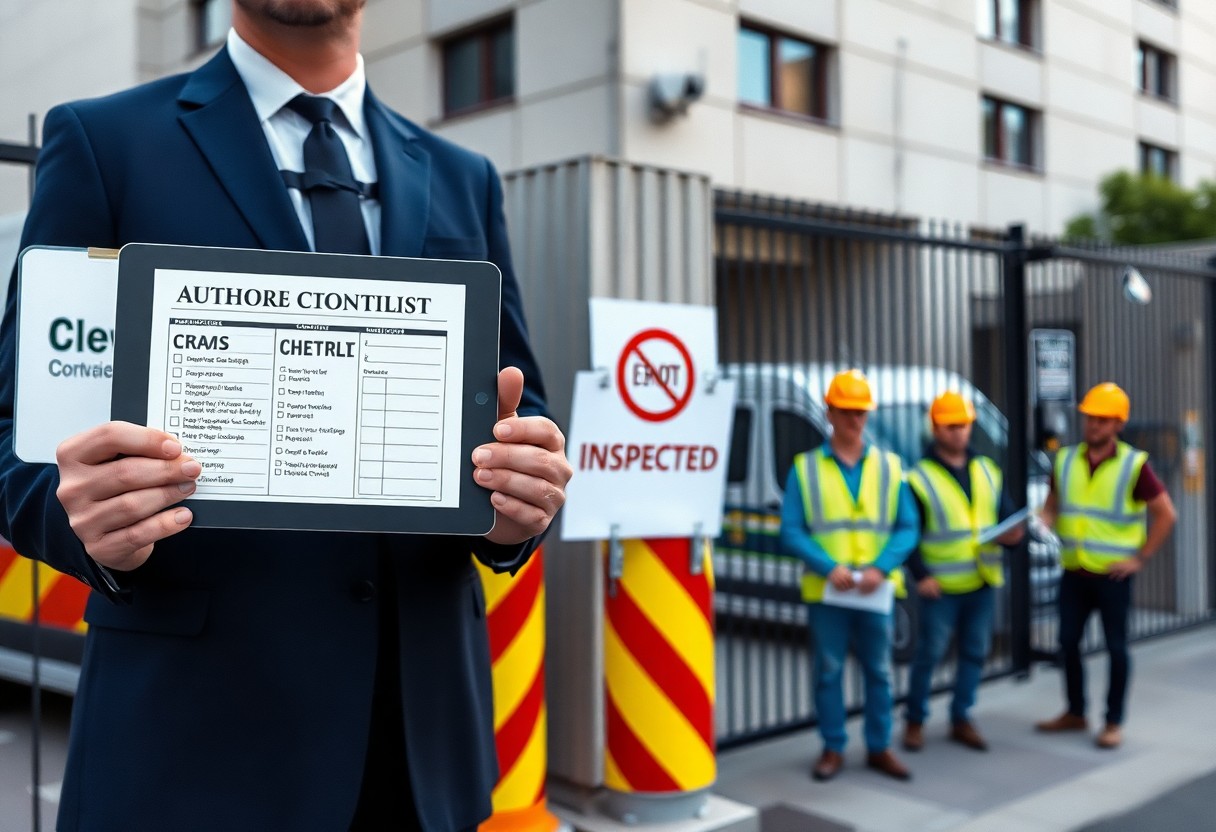
Most property managers delegate work to third-party contractors to save time and maintain operations, but unchecked access can expose properties to security breaches, cost overruns, and reputational harm. You are ultimately responsible for every repair, inspection, and visitor on site, even when the work is outsourced. A single unvetted electrician or plumber can compromise safety standards, delay compliance, or trigger liability claims. You must treat contractor oversight not as administrative overhead but as a core operational function.
Key Takeaways:
- A property manager who fails to enforce clear contractual boundaries with contractors risks unapproved sub-contracting, as seen when a plumbing vendor hired an uncertified technician during a high-rise renovation, leading to code violations and costly rework.
- Unsupervised third parties can inflate labor hours or order excess materials, and one regional management firm discovered through routine invoice audits that nearly 18% of contractor line items required adjustment due to duplicated charges or unjustified upgrades.
- When a fire suppression system malfunctioned in a downtown apartment complex, the investigation revealed that the original contractor had used expired components-highlighting how lax oversight directly exposes management to legal action and reputational harm.
The Illusion of Autonomy
Contractors often operate with apparent independence, leading you to believe their work requires no oversight. Yet this autonomy is a facade-every decision they make on-site reflects directly on your standards and accountability. Without active supervision, small oversights compound into systemic failures that undermine both compliance and performance.
Risks of Unchecked Labor
Unsupervised contractors may cut corners to save time or costs, exposing you to safety violations or code noncompliance. A single unpermitted electrical modification or improperly installed HVAC unit can trigger fines, insurance denials, or worse, endanger tenant well-being. Your reputation hinges on work done in your name, regardless of who holds the tools.
Erosion of Property Value
Repeated substandard repairs or inconsistent maintenance degrade structural integrity over time. A roof patched incorrectly by an unvetted roofer may lead to water intrusion, mold, and drywall damage, all of which diminish long-term asset value and complicate future sales or refinancing.
Consider a mid-sized SaaS firm leasing office space where unchecked contractors replaced flooring without moisture testing. Within months, buckling appeared due to hidden subfloor damage, requiring full replacement and temporary tenant relocation. The cumulative cost far exceeded initial savings, and the property’s appeal to tech tenants dropped due to perceived mismanagement. Poor contractor choices don’t just affect one repair-they ripple through occupancy rates and lease premiums.
Financial Fortifications
Strong oversight of third-party contractors protects your bottom line by minimizing unexpected costs and enforcing accountability, ensuring every dollar spent aligns with property performance goals. Learn more about why third-party risk management matters for property management companies in this in-depth analysis.
Preventing Budgetary Creep
Unmonitored contractors often introduce unplanned expenses through scope expansion or inefficient work, leading to significant cost overruns across maintenance and renovation projects. You maintain control by requiring pre-approved budgets, change orders, and itemized invoices for every engagement.
Audit Trails as Shields
Detailed records of contractor communications, payments, and work completed serve as legal and financial safeguards during disputes or compliance reviews. You create these protections by mandating digital documentation for every service interaction.
When a plumbing subcontractor overbilled for emergency repairs across three units, a property manager’s requirement for time-stamped work logs and photo verification exposed duplicate charges and unsupported labor hours. The documented audit trail enabled recovery of thousands in erroneous fees and led to the contractor’s removal from the approved vendor list, reinforcing the defensive value of consistent recordkeeping.
Liability and the Shield
When a contractor causes property damage or injures a tenant, you remain legally exposed even if the act wasn’t yours. Without clear contractual boundaries, liability can quickly shift to your management entity. Understanding your exposure is the first step toward building a legal buffer-explore more in this guide on Third-Party Property Management: What You Need To Know.
Shifting the Burden of Risk
Properly structured agreements transfer operational risk to the contractor through indemnification clauses. If a plumber damages a building’s main line due to negligence, the contractor’s insurance should cover repairs and claims, not your operating budget. This reallocation protects your assets when third-party errors occur.
Legal Safeguards for the Estate
Requiring certificates of insurance and naming your management entity as an additional insured strengthens your position. These documents ensure the contractor carries adequate coverage and that you’re protected if litigation arises from their work on-site.
One mid-sized property management firm avoided six-figure liability after a roofing subcontractor caused water damage because their contract mandated both general liability insurance and an additional insured endorsement. Without those specific requirements, the firm would have absorbed the cost, proving that paperwork executed in advance is as critical as physical repairs.
The Reputation of the Realm
Your brand’s public image hinges on every contractor interaction, not just your own actions. A single delayed repair or unprofessional visit can spread quickly through online reviews, damaging trust with current and prospective tenants. You are held accountable regardless of who performed the work.
Tenant Loyalty and Order
Consistent, reliable service builds tenant confidence and reduces turnover. When contractors arrive on time and resolve issues efficiently, tenants feel respected and are more likely to renew their leases without negotiation.
Brand Integrity Under Pressure
During emergencies like burst pipes or power failures, tenants look to you for swift resolution. How third parties respond in these moments directly reflects on your brand’s reliability, with poor performance escalating stress and public criticism.
When a heating system fails in winter, your chosen HVAC contractor becomes your brand’s representative. If they delay arrival or misdiagnose the issue, tenants won’t distinguish between your team and the subcontractor. Negative feedback on social media or rental platforms often singles you out, not the vendor, making it impossible to separate your reputation from their performance.
Strategic Alliances
Building strategic alliances with third-party contractors transforms transactional relationships into collaborative partnerships. You gain access to specialized skills and extended capacity without expanding your internal team. These alliances, when structured with clear expectations and mutual accountability, become force multipliers in maintaining property standards and responding to tenant needs efficiently.
Vetting for Loyalty
Assessing loyalty during contractor onboarding helps identify partners who align with your operational values. You look beyond pricing and availability to evaluate responsiveness, consistency, and discretion. A contractor who protects tenant privacy and upholds your brand standards during off-hours repairs demonstrates behavioral loyalty, reducing oversight burdens and reputational exposure.
Performance Metrics as Law
Performance metrics must function as binding standards, not suggestions. You define response times, completion rates, and quality benchmarks in contractual terms. When a plumbing vendor fails to resolve emergency leaks within two hours, the metric triggers penalties or review, making accountability automatic and enforceable, not discretionary.
Enforcing performance metrics as law means integrating them into payment workflows and renewal decisions. You require contractors to log work in your management system with timestamps and completion notes. A mid-sized SaaS firm managing 12,000 units found that tying 30% of contractor payments to metric compliance reduced service delays by over half, proving that measurable standards drive behavioral change.
To wrap up
You maintain direct oversight of every contractor on your properties because uncontrolled access compromises security, service quality, and tenant trust. A single incident from an unvetted vendor can trigger financial loss, legal exposure, or reputational damage that takes years to repair. Your authority over third parties isn’t about restriction-it’s about ensuring consistency, accountability, and operational integrity across every interaction on your sites.
FAQ
Q: Why can’t property managers simply rely on contractors to manage their own work without oversight?
A: Contractors often juggle multiple clients and projects, which can lead to inconsistent scheduling, delayed responses, or misaligned priorities. A property manager’s responsibility is to ensure continuity and reliability across all service points. Without active oversight, a delayed HVAC repair could extend tenant discomfort for days, increasing complaint volume and potential lease violations. One regional property management firm reported resolving 40% more maintenance disputes after implementing mandatory work order tracking and pre-job check-ins with every contractor. Direct supervision ensures work aligns with lease agreements, safety codes, and tenant expectations.
Q: How does uncontrolled contractor access increase security risks on a property?
A: Every unmonitored vendor entering a building introduces a potential security gap. A locksmith hired for a unit repair might retain keys or access codes, and a roofing inspector could inadvertently leave rooftop doors unsecured. In one documented case, an unauthorized individual accessed a residential tower’s mechanical floor using a subcontractor’s lost access badge, leading to a costly system shutdown. Property managers who enforce sign-in protocols, time-limited access badges, and post-visit audits reduce unauthorized entry incidents and maintain tighter control over sensitive areas.
Q: What happens if a third-party contractor causes property damage during a job?
A: Legal and financial liability often falls on the property manager, even if the contractor was at fault. A plumbing subcontractor who ruptures a main line during a retrofit may have insurance, but the manager is still responsible for immediate mitigation, resident relocation, and business interruption costs. A mid-sized multifamily operator in Texas absorbed over $75,000 in interim housing and repair expenses after a contractor’s error flooded three floors, despite pursuing claims. Requiring proof of insurance, work permits, and pre-job site assessments helps limit exposure and strengthens the manager’s position in recovery efforts.