Author: mike
-
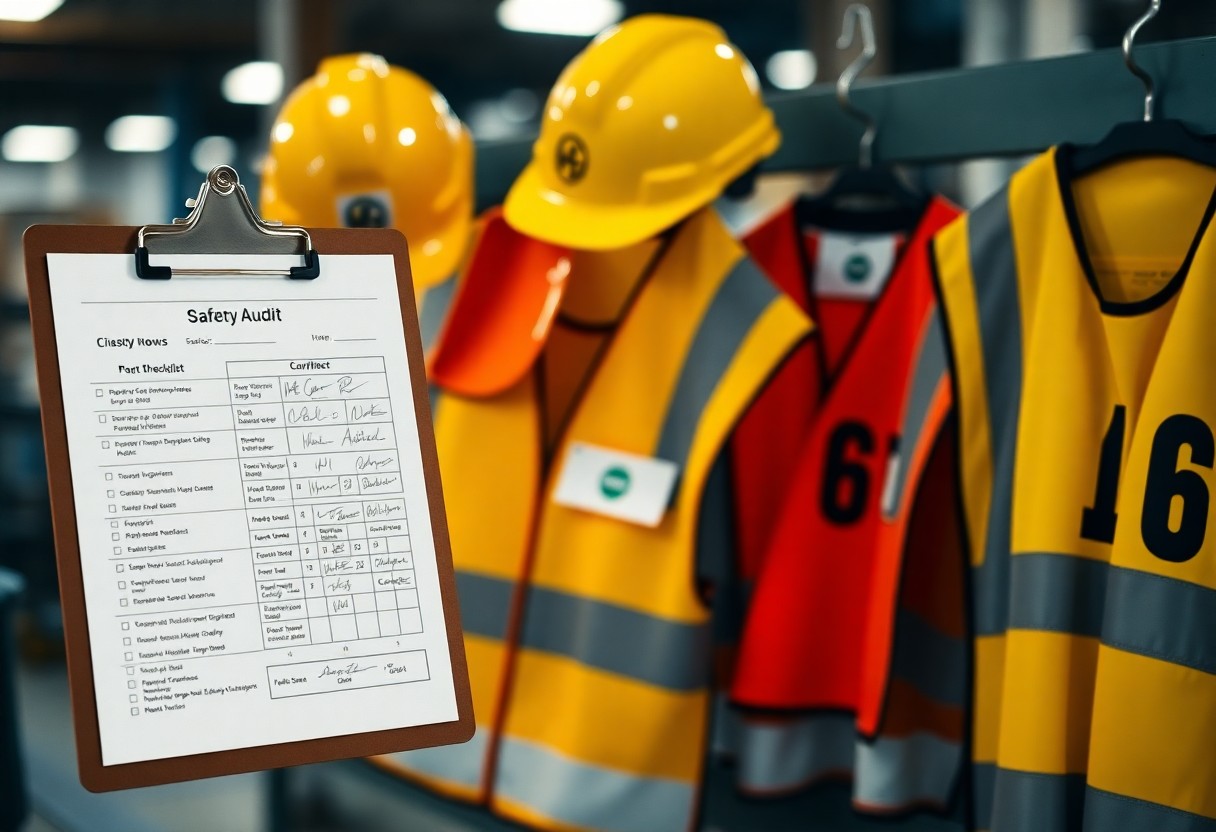
If Safety Is Everyone’s Responsibility, Who Is Actually Accountable?
It’s easy to agree that safety matters, but when an incident occurs, the shared promise of collective responsibility often dissolves. You hear phrases like “we all own safety” in meetings, yet someone still faces consequences. In a warehouse, a near-miss report reveals a missing guardrail, but only the technician on shift is reprimanded, despite procurement…
-

What Workers Stop Reporting When They Lose Confidence in the System
Many employees continue performing their duties even as trust in management erodes, but what they stop saying reveals far more than what they do. You may still receive incident reports or performance updates, yet critical insights about safety risks, ethical concerns, or operational flaws often vanish first. A mid-sized SaaS firm once discovered that after…
-

When Contractor Safety Becomes the Owner’s Problem
You assume risk the moment a contractor steps onto your site, even if their safety is technically their responsibility. A single incident can trigger regulatory fines, project delays, and legal exposure that directly impact your operations. When safety fails, the distinction between employer and owner often dissolves under scrutiny, leaving you accountable for consequences you…
-
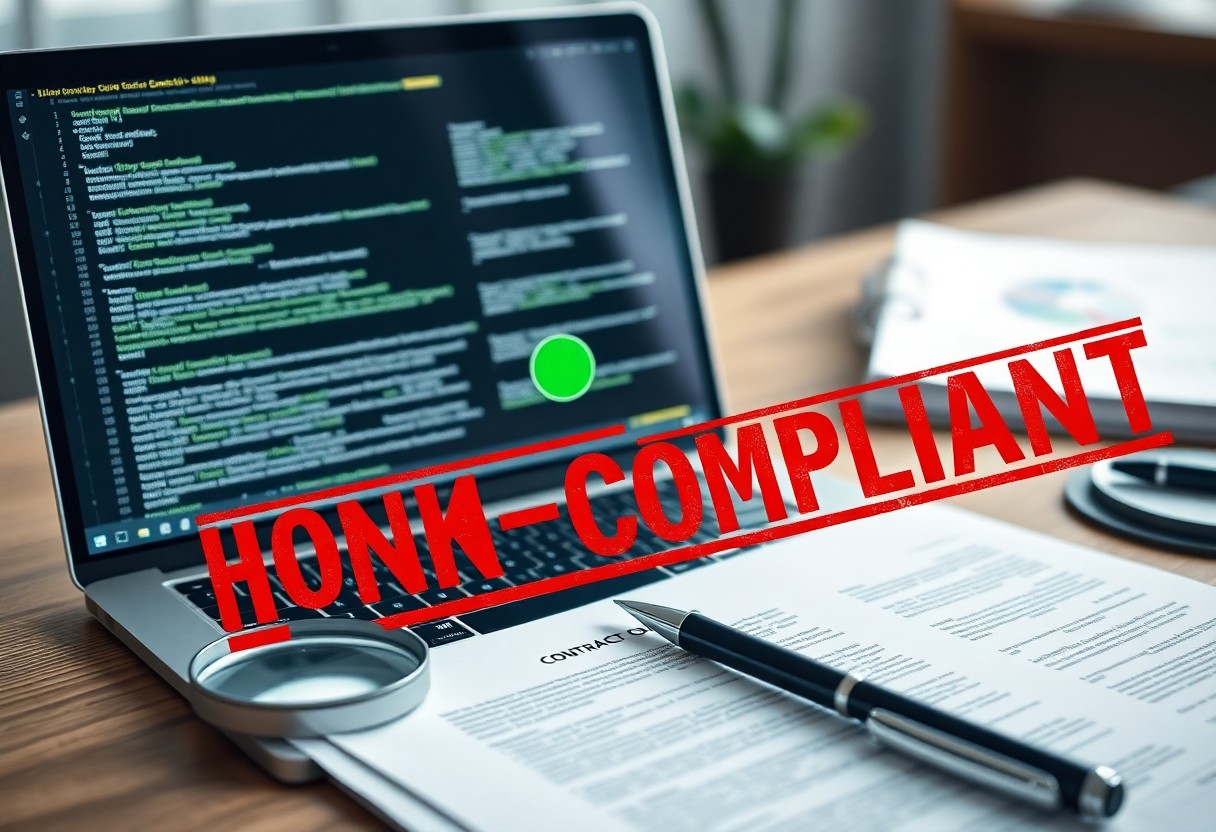
Your Written Program May Be Compliant. Is the Work?
Most written safety programs pass a desk audit with clean documentation and properly filed forms, yet compliance on paper does not guarantee protection on the floor. You may have signed policies, training logs, and regulatory checklists, but if workers bypass procedures daily, your program is performing for auditors, not for safety. A mid-sized SaaS firm…
-
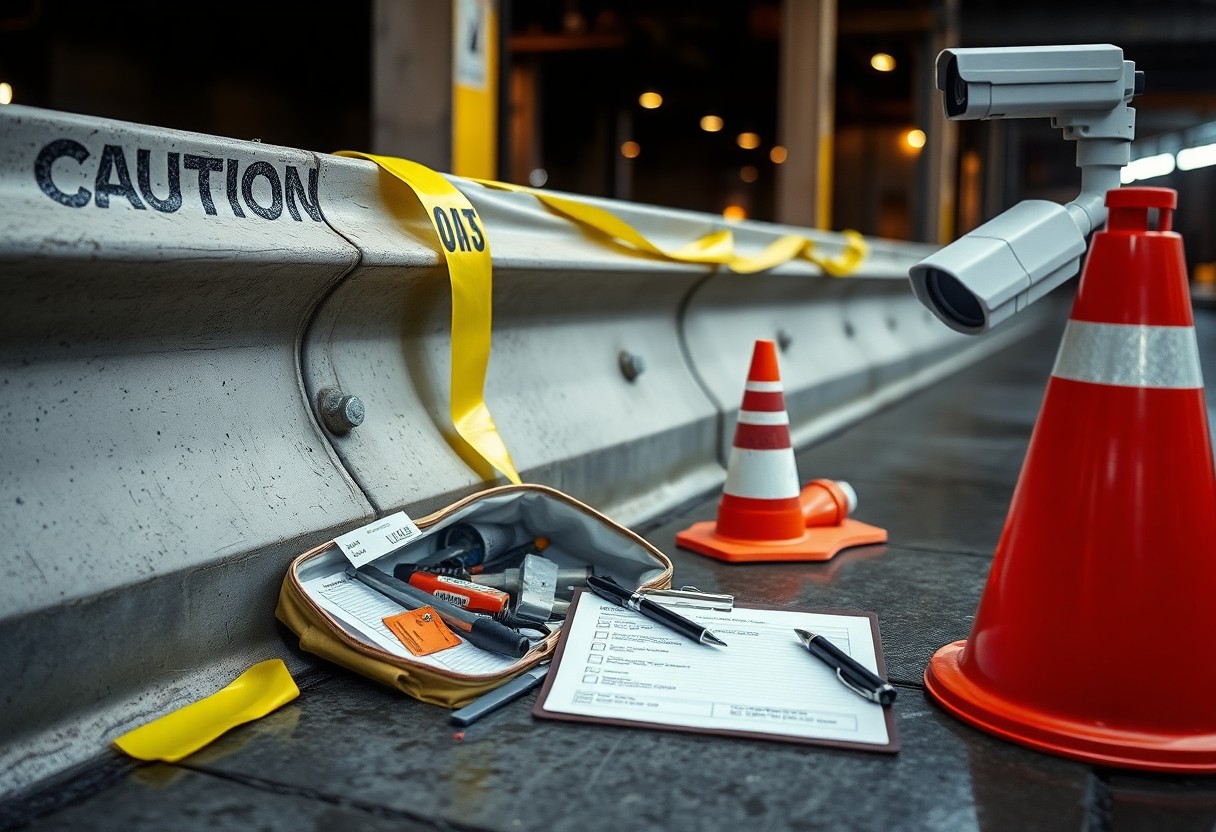
Why Some Incident Investigations Make the Next Incident More Likely
Prevention begins with understanding that your incident investigations can unintentionally increase future risk. When post-mortem processes focus on assigning blame or constructing tidy narratives, they often overlook systemic weaknesses. Labeling an issue as human error shuts down inquiry, while hindsight bias distorts the actual conditions under pressure. A mid-sized SaaS firm, for example, saw recurring…
-
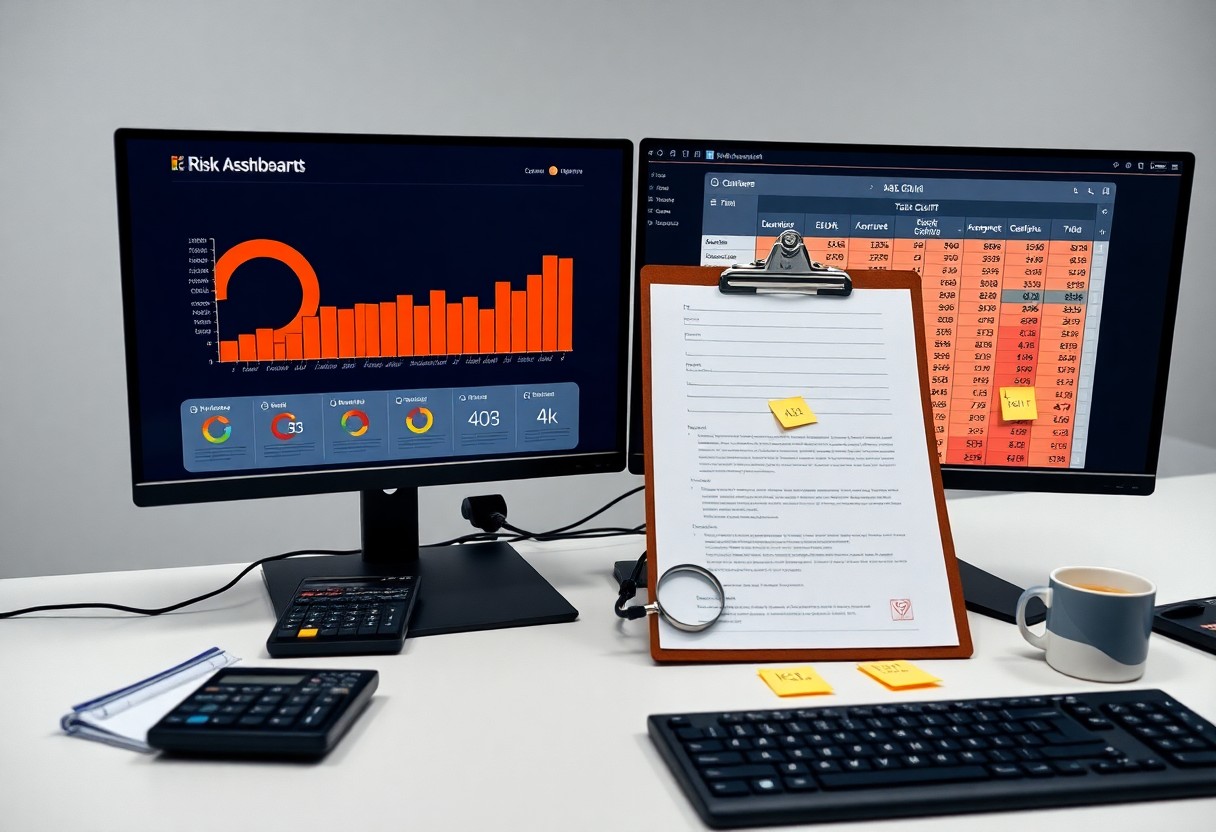
Are Your Leading Indicators Predicting Risk-or Just Counting Work?
Just because your team logs hundreds of security tickets weekly doesn’t mean you’re safer-many leading indicators merely reflect activity, not actual risk reduction. You track scans completed, patches applied, or training sessions finished, but these metrics often measure effort, not effectiveness. A mid-sized SaaS firm once doubled its incident response drills yet saw no improvement…
-

Why Good Supervisors Sometimes Make Bad Safety Decisions
Most experienced supervisors have made a safety compromise that later seemed indefensible, even to themselves. You follow protocols daily, train your team rigorously, and prioritize compliance-yet serious incidents often follow small, rationalized deviations. A momentary choice to bypass a lockout procedure, delay a repair, or ignore a near-miss can cascade into preventable harm. These lapses…
-

Is Your Safety System Designed for the Work-or for the Auditor?
Compliance paperwork fills binders, yet incidents still occur where real work happens. You follow procedures written for inspection, not for the noise, heat, and pace of the shop floor. When audits pass but near-misses pile up, the system serves the auditor, not you. A mid-sized SaaS firm may tolerate clunky workflows, but in physical work,…
-
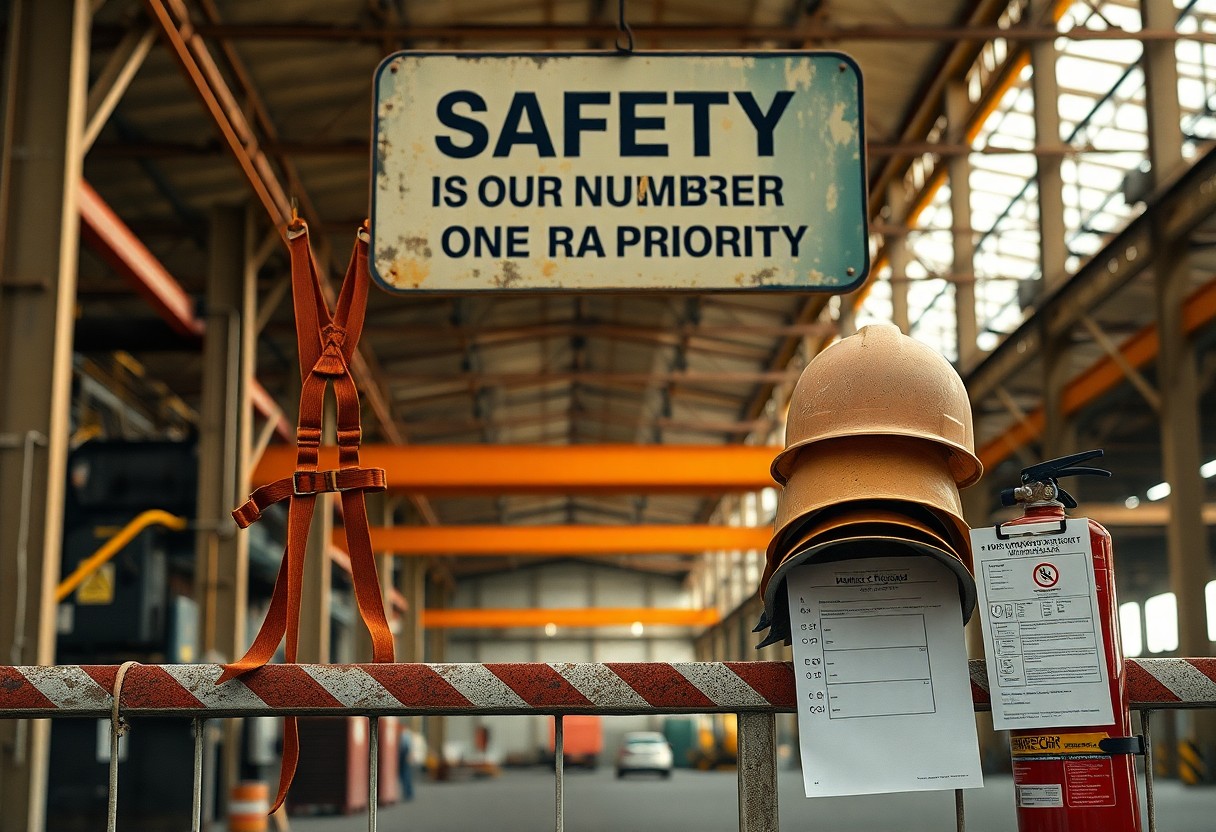
Why “Safety Is Our Number One Priority” Often Fails to Convince Workers
Over a decade of incident reports and worker interviews reveals a persistent gap between safety slogans and daily experience. You hear “safety is our number one priority” at morning meetings, yet continue to work under deadlines that pressure cutting corners. A mid-sized SaaS firm may tout zero incidents, while maintenance crews on the factory floor…
-

What Happens to Safety When Experienced Workers Leave Faster Than Knowledge Can Transfer?
Workforce turnover among seasoned professionals can quietly erode safety margins, especially when critical know-how exits faster than it can be captured. You rely on experienced workers to anticipate risks, interpret subtle warning signs, and respond effectively under pressure. When they leave, you don’t just lose employees-you risk losing unwritten protocols and situational judgment that no…