Author: mike
-

The Safety Risk Hiding Between the Boardroom and the Front Line
There’s a silent gap in your organization where critical safety information gets lost, and it sits between executive decisions and on-the-ground execution. You rely on reports and dashboards, but what frontline workers see daily often never reaches leadership. This disconnect isn’t just inefficiency-it’s a direct contributor to preventable incidents. You’re not alone if this gap…
-

Ten Quiet Signals That Workplace Risk Is Increasing
You notice the hesitation before a team member speaks up during a safety briefing, the slight delay in reporting a minor incident, the repeated bypass of a checklist step without consequence. These are not isolated lapses but early indicators of rising risk, often overlooked because they don’t trigger alarms. In environments where performance pressure mounts…
-
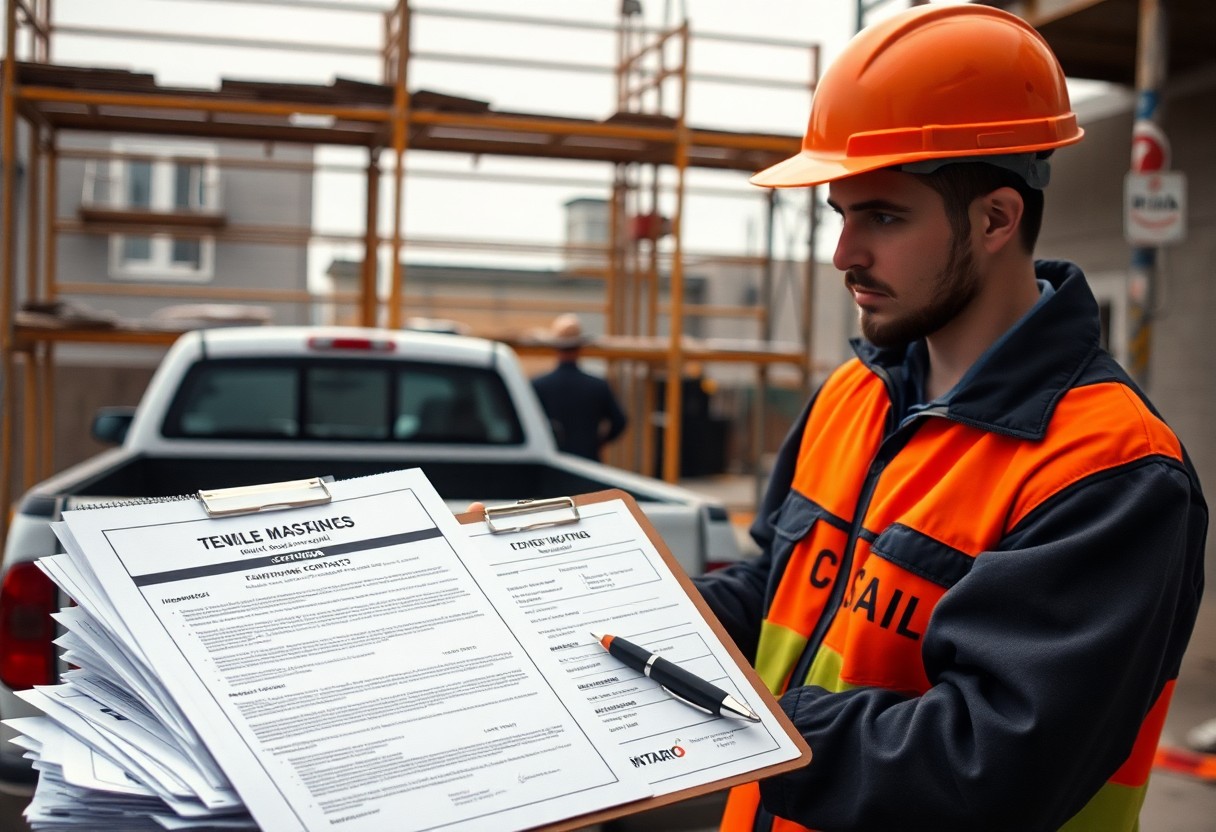
Five Contractor Warning Signs That Should Concern Every Ontario Employer
With so many businesses relying on independent contractors to fill skill gaps and manage workloads, you face real legal and financial risk if the relationship blurs into employee-like control. The Ontario Ministry of Labour has clear criteria for classification, and missteps can lead to back taxes, penalties, and employment standards claims. You must recognize the…
-

What Happens When an Inspector Asks a Worker to Explain the Procedure?
Inspection moments define safety outcomes, and when an inspector turns to you, asking you to explain the procedure, your response can determine compliance status. How you articulate each step, whether you recall mandatory safeguards, and if your description matches the approved documentation directly influences the audit’s result. A single deviation may trigger citations, fines, or…
-
The Corrective Action Is Closed. Is the Risk Actually Controlled?
Over 60% of recurring incidents in regulated industries stem from previously “resolved” corrective actions, exposing a dangerous gap between paperwork and protection. You sign off on a corrective action, file the report, and move on-yet the underlying risk often remains. Closure does not equal control, and mistaking one for the other can lead to repeat…
-
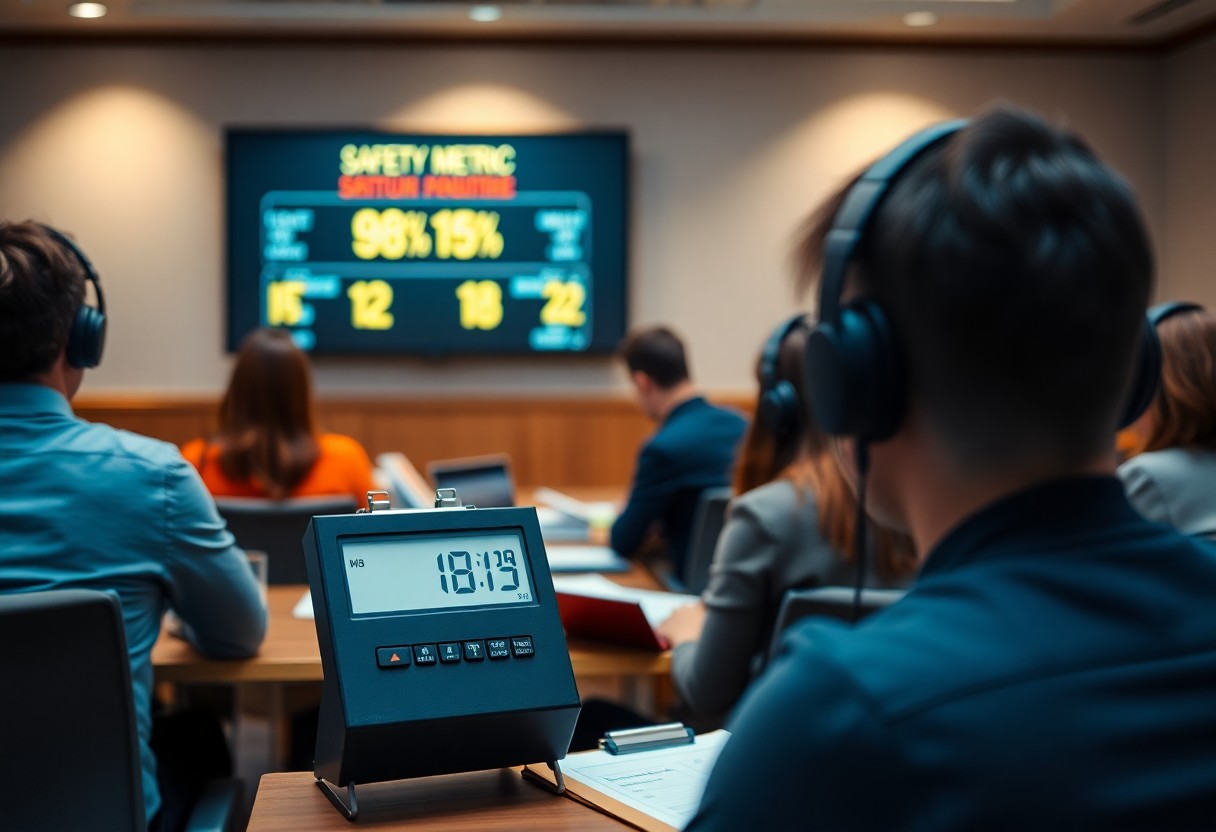
The Safety Metric That Rewards Silence
Over time, your organization may begin to equate quiet with safety, mistaking the absence of incident reports for success. This false signal, rewarding silence over truth, allows hazards to multiply unseen. A mid-sized SaaS firm once celebrated two years without a reported security breach, only to later discover a systemic failure in reporting-not in operations.…
-
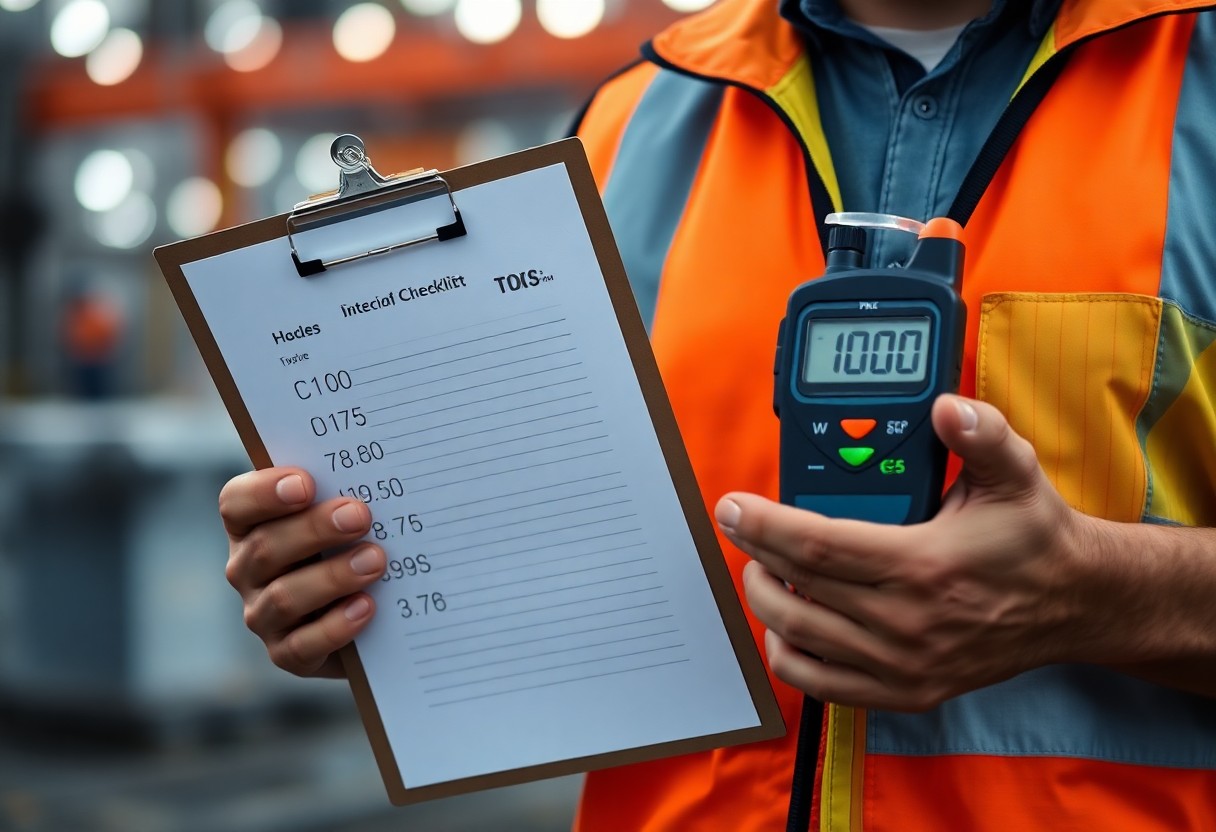
The Ten-Minute Field Check That Reveals Whether a Procedure Actually Works
Field-test your procedures with a ten-minute observation to uncover whether they function as designed or exist only on paper. What employees actually do often differs from documented steps, creating hidden risks and inefficiencies. You can spot these gaps quickly by watching one person perform the task start to finish. A single observation may reveal workarounds,…
-
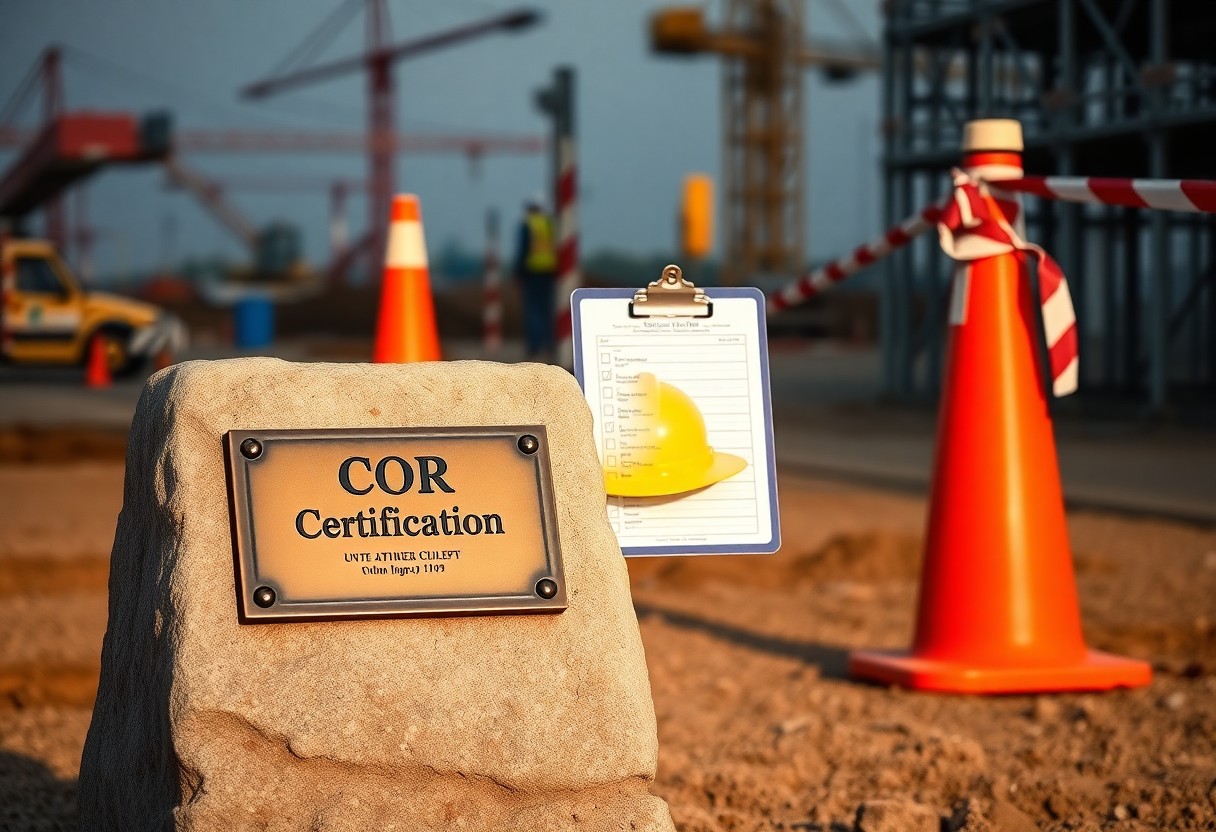
COR Certification Is a Milestone-not a Finish Line
Over 2,000 organizations in Canada have achieved COR certification, a clear mark of safety program maturity, yet compliance alone does not prevent incidents. You now hold a recognized standard, but the real work begins after the audit. Sustained safety excellence demands continuous improvement, not just a one-time达标, and treating certification as an endpoint risks eroding…
-

Can You Have a Strong Safety Culture When Nobody Challenges the Plan?
Key Takeaways: A strong safety culture does not emerge from compliance alone, but from consistent, open challenge to existing plans, as seen in high-reliability organizations like aviation maintenance teams where formal challenge protocols are embedded in daily briefings. Silence in meetings, especially when leadership presents plans, often signals cultural fragility rather than consensus, such as…
-
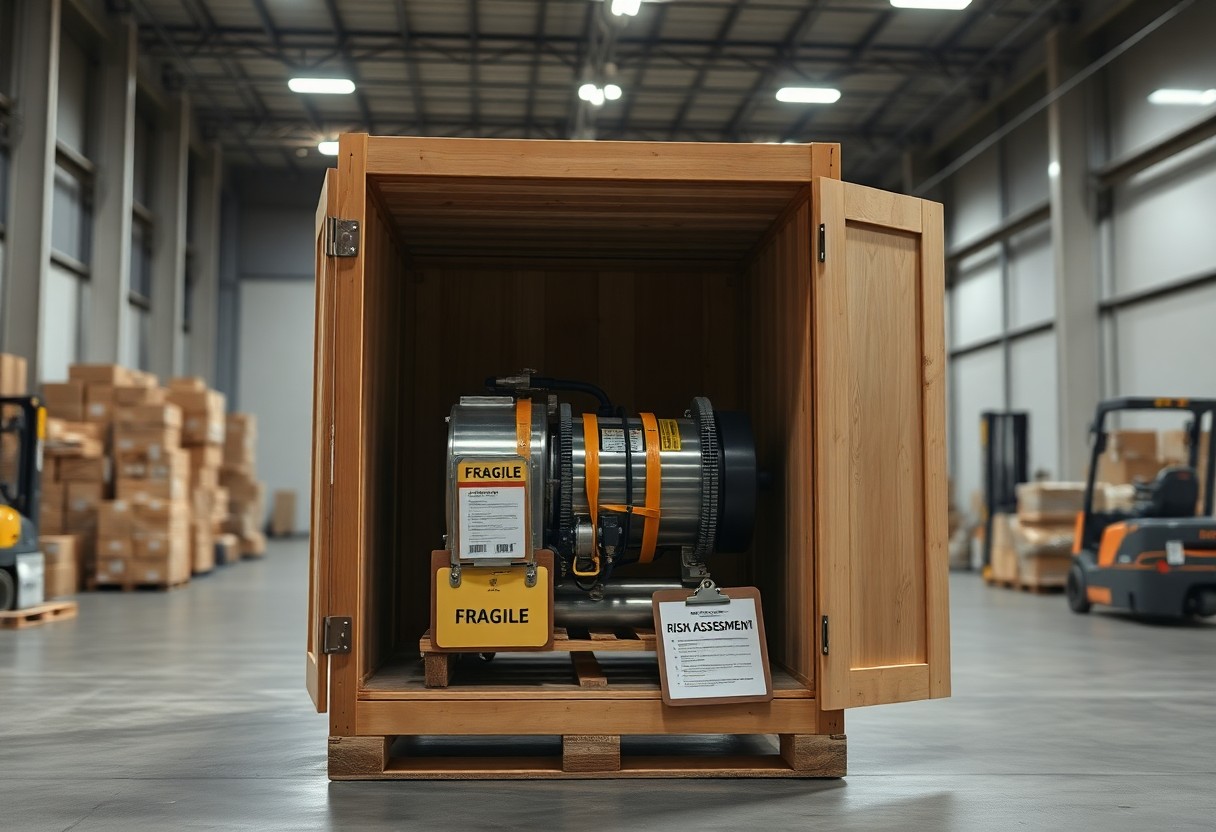
The New Equipment Arrived. Did the Risk Assessment Arrive With It?
You unbox a new machine, its polished surface reflecting your team’s anticipation, but without a completed risk assessment, that equipment becomes a potential source of serious harm. Modern workplaces often prioritize speed over safety, allowing hazards to go unidentified until an incident occurs. Your responsibility begins the moment the delivery is signed. Key Takeaways: A…