Author: mike
-
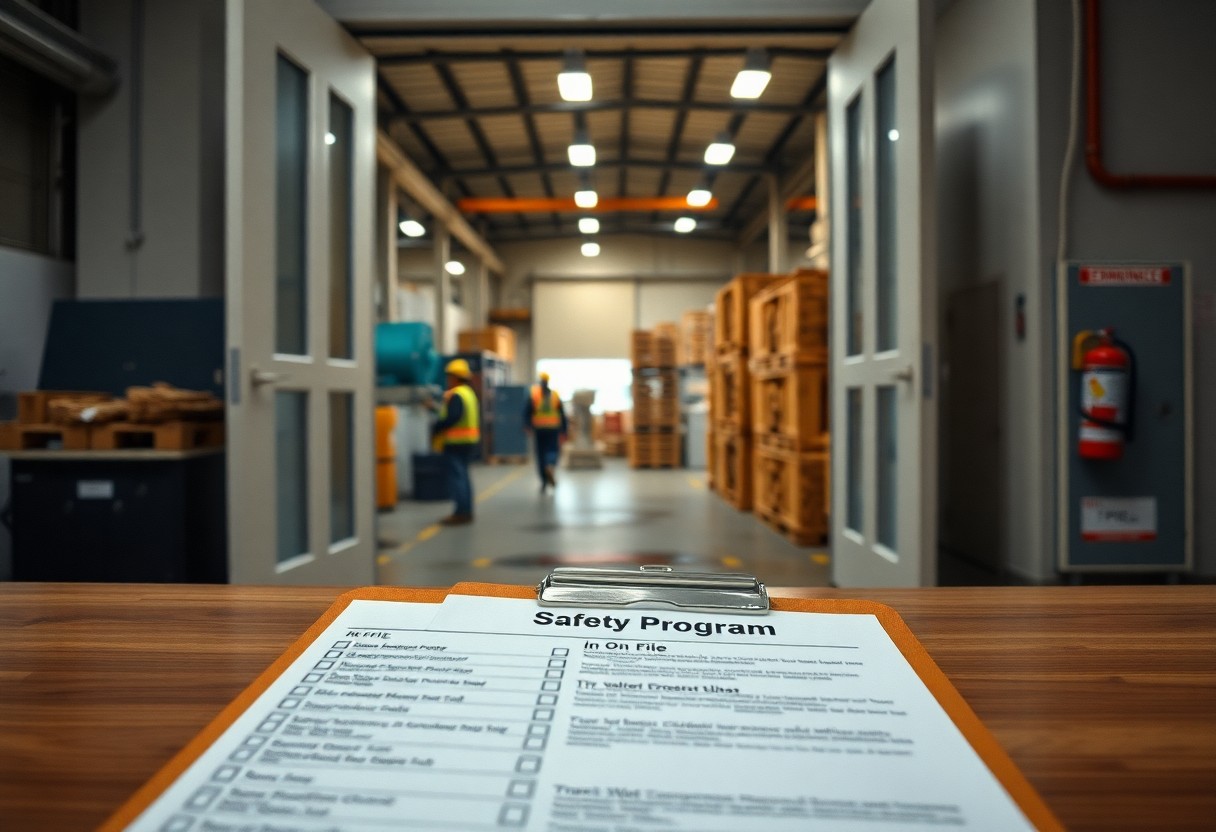
The Safety Program Exists on Paper. Where Else Does It Exist?
Most safety programs live in binders, gathering dust on shelves while incidents unfold on the floor. You’ve signed the policy, attended the training, checked the compliance box. But when a forklift cuts too close to a pedestrian walkway, it’s not the document that prevents injury-it’s behavior. A program that exists only on paper is a…
-

Your Open-Door Policy Means Little If Workers Fear Walking Through It
You invite feedback, keep your office door open, and encourage transparency, yet silence persists. Employees often perceive psychological risk in speaking up, even when access is granted. A policy without safety is performative, offering the illusion of openness while discouraging honest dialogue. Your intent may be inclusive, but the culture determines whether voices are truly…
-

Your Workplace Changed. Why Hasn’t Your Safety Program?
Many of your teams now work remotely, shift patterns have changed, and new tools shape daily tasks, yet your safety program may still reflect a workplace that no longer exists. Outdated protocols can miss emerging risks, leaving you exposed to incidents that modern workflows introduce. You need a safety strategy as dynamic as your operations.…
-
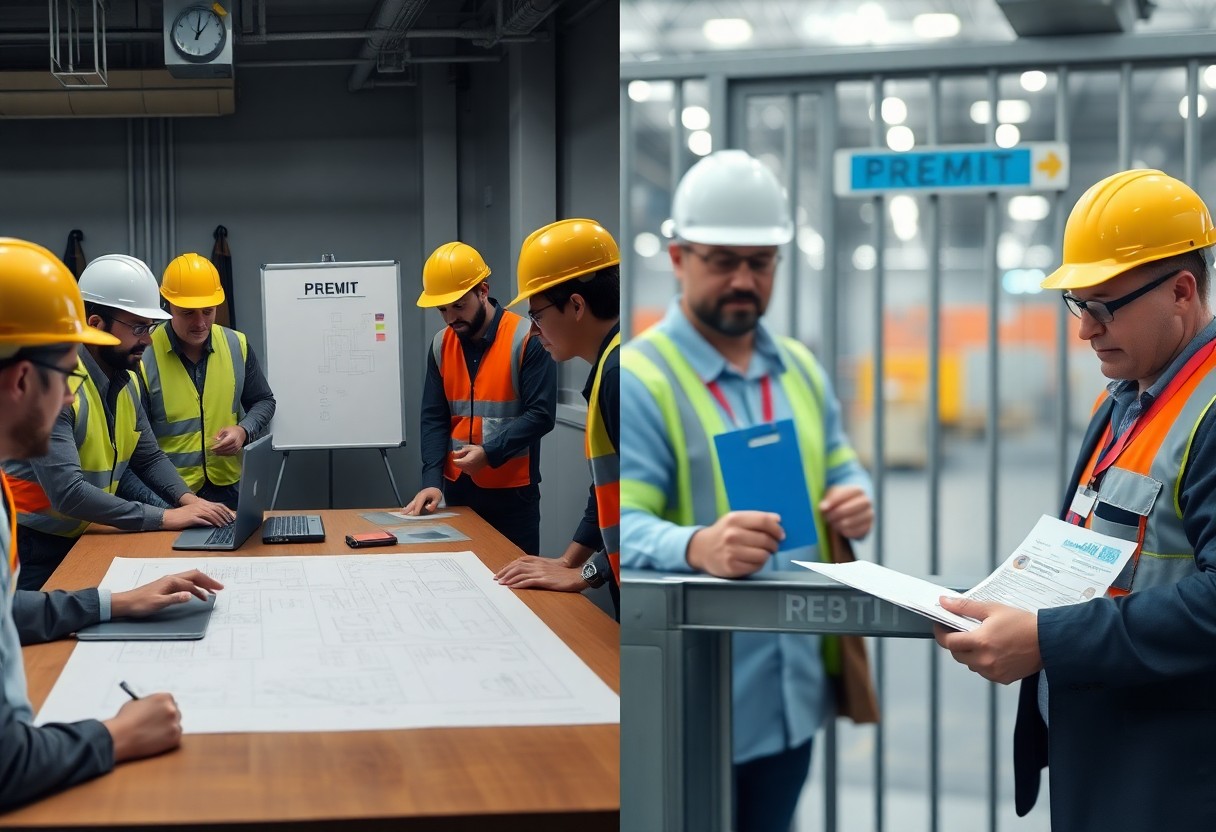
The Difference Between Worker Participation and Worker Permission
Most employees have been invited to share feedback during a team meeting or through an anonymous survey, creating the impression of inclusion, but this access does not equate to agency. You may contribute ideas, attend forums, or sit on committees, yet the final decisions still rest with management alone. Participation feels like involvement, but permission…
-
The Workplace Safety Risks Hiding in Plain Sight
Serious workplace incidents rarely start with the worker. They start months or years earlier. In a boardroom. During a budget review. When a maintenance request gets pushed to next quarter. Nobody notices at the time. The decision seems reasonable. Even responsible. Then something breaks. A worker gets hurt. An investigation follows. The report blames “human…
-

If Every Safety Indicator Is Green, Where Should Leaders Look Next?
It’s easy to assume that when every safety dashboard shows green, your workplace is truly safe. Yet, perfect metrics can mask underlying risks just as effectively as glaring red flags. You may have strong compliance numbers, incident rates at zero, and audit scores at 100%, but these indicators often measure what’s visible, not what’s vulnerable.…
-

Five Questions That Separate an Investigation from a Blame Exercise
You’ve just uncovered a costly error, and the immediate pressure is to identify who’s at fault. But treating an incident as a failure of character or competence risks missing the deeper, systemic causes. True investigation doesn’t start with names-it starts with context, design, and decision logic. Ask the right questions, and you shift from scapegoating…
-

Would Your Employees Tell You the Job Cannot Be Done Safely?
There’s a quiet moment before an incident-a hesitation, a glance, a withheld word-where safety hangs in the balance. If an employee believes a task is unsafe, will they speak up, or will silence prevail? Your culture determines that answer, and the difference can be measured in injuries avoided or lives lost. You shape whether your…
-

What Executives Should Know Before Automating High-Risk Work
Many executives underestimate the potential for catastrophic failure when automating high-risk processes without full visibility into system limitations. You operate in environments where errors can lead to loss of life, regulatory penalties, or irreversible reputational damage. Automation offers efficiency and consistency, but only if designed with rigorous oversight, human expertise, and fail-safe protocols embedded from…
-
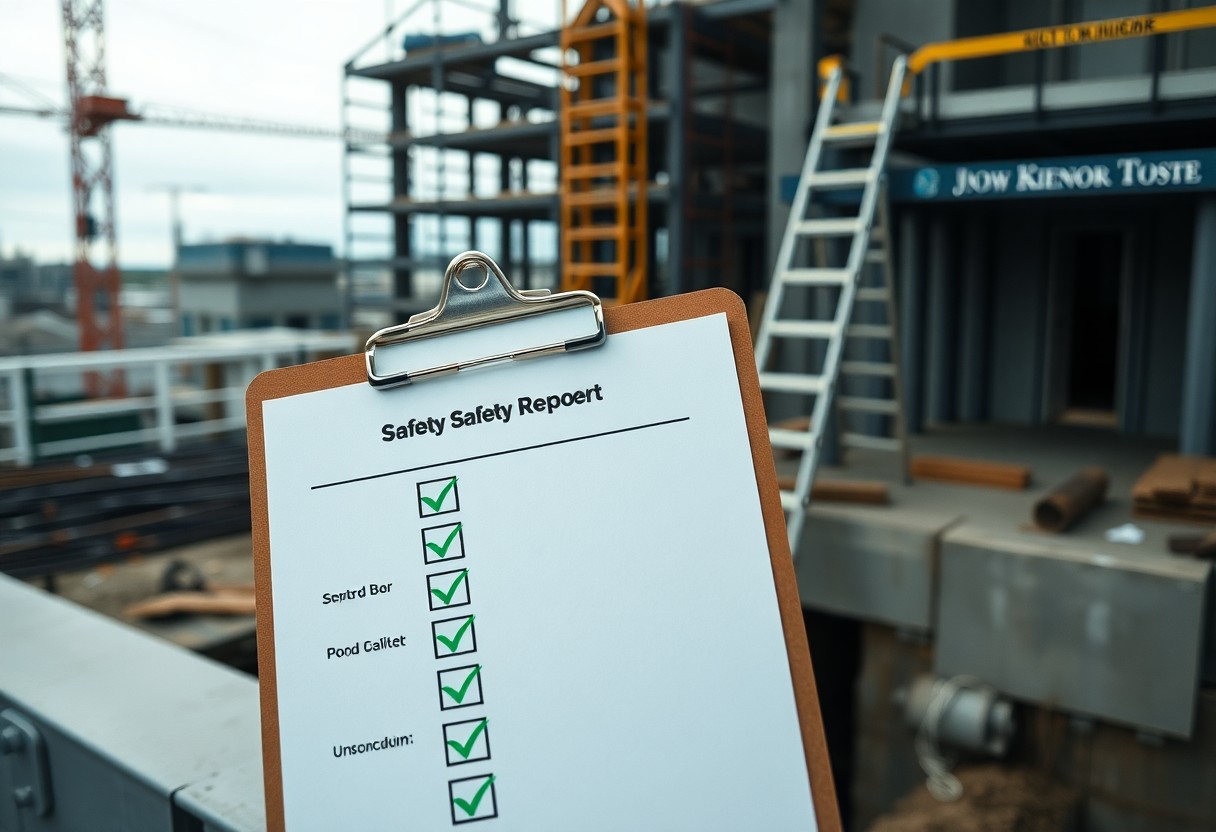
The Safety Report Looked Excellent-Until Someone Visited the Worksite
Just because a report shows full compliance doesn’t mean the site is safe. You can have perfect documentation and still face life-threatening hazards on the ground. A mid-sized SaaS firm once passed every audit while its field team bypassed lockout procedures daily. Numbers look clean until someone actually shows up-and then everything changes. Key Takeaways:…