Tag: Safety
-

Seven Warning Signs Your Safety Program Is Giving Leaders False Confidence
Confidence in your safety program can mask deeper flaws that only surface after an incident occurs. You may have clean audit reports, high compliance scores, and a low incident rate, yet still operate under dangerous blind spots. When leadership feels assured by metrics alone, complacency can take root, leaving teams exposed to preventable risks. This…
-

Your Safety Numbers Look Good. Should You Be Worried?
There’s a quiet danger in believing your safety metrics tell the whole story. Strong incident rates and compliance scores can mask underlying vulnerabilities, especially when success breeds complacency. A clean report doesn’t mean a resilient system. You may be one unseen failure away from a major event, not because the data is wrong, but because…
-

The Near Miss Nobody Reported May Matter More Than the Injury You Investigated
With every unreported near miss, your organization absorbs invisible risk-a silent precursor to harm that often carries more warning value than the incidents you formally document. You investigate injuries, but the event that didn’t result in harm, the one no one logged, may reveal the most dangerous gaps in your safety culture. Key Takeaways: A…
-

Your PPE Program May Be Compliant-and Still Be Failing
You check every regulatory box and pass every inspection, yet injuries still occur. Compliance does not guarantee safety. A program can meet OSHA standards and still leave workers exposed to preventable harm. The equipment may be present, but if it’s not used correctly-or at all-your team remains at risk. Real protection goes beyond paperwork. Key…
-
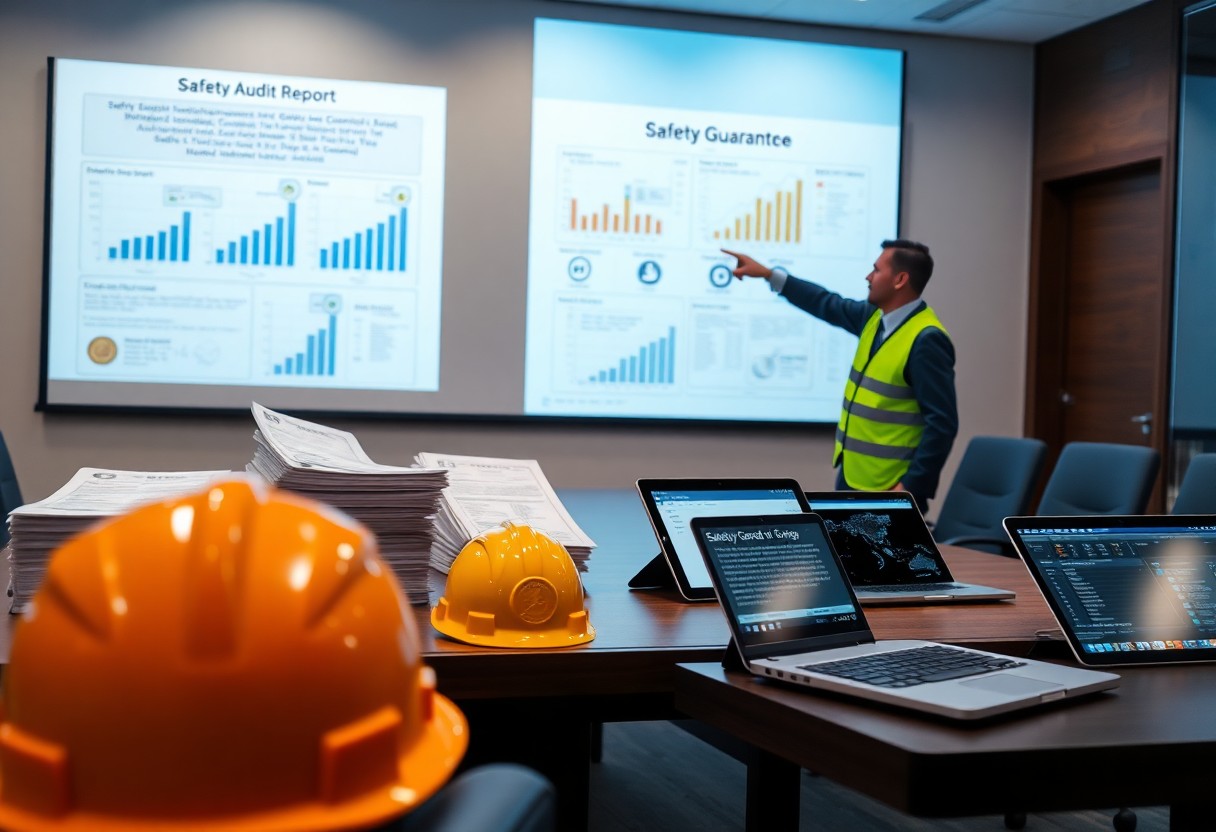
Is Your Board Receiving Safety Information-or Safety Reassurance?
Board meetings often feature clean dashboards, steady metrics, and confident summaries-yet these signals may reflect reassurance more than reality. You rely on safety data to make strategic decisions, but when incident rates are low and compliance is high, the absence of bad news can mask emerging risks. What you’re not seeing might be more telling…
-

The Working-at-Heights Gap Ontario Employers Often Discover Too Late
Over 20% of workplace fatalities in Ontario involve falls, and you may not realize your current training fails to meet the province’s mandatory working-at-heights requirements. Many employers assume basic orientation is enough, but only Ministry-approved training with hands-on components satisfies the law. When inspectors arrive, the gap between compliance and assumption becomes dangerously clear. Key…
-
The Most Expensive Safety Problem Is Often the One Nobody Reports
Key Takeaways: A single unreported safety concern at a manufacturing plant led to a cascade of equipment failures, illustrating how silence can amplify risk far beyond the initial incident. Employees in high-pressure environments often withhold reports due to fear of blame, a pattern observed in industries ranging from aviation to healthcare, where psychological safety lags…
-

Safety Out of Office – When the Procedure Looks Better Than the Work
Most safety procedures are designed to protect you, but when compliance becomes more important than competence, the workplace grows more dangerous. You follow every documented step, sign the log, attend the briefing, yet the real hazards-the ones that can’t be captured in a checklist-remain unaddressed. A mid-sized SaaS firm once celebrated perfect audit scores while…
-

Your Workers Know Where the Safety Program Breaks Down
With every shift, your frontline employees encounter the real-world pressures and physical realities that expose where safety protocols fail. They see the most dangerous shortcuts, experience the gaps in enforcement, and often adapt procedures silently to get work done. Their daily experience holds the clearest map of system weaknesses-and the best path to meaningful improvement.…