Author: mike
-

The Corrective Action Is Closed. Is the Risk Actually Controlled?
Over 60% of recurring incidents in regulated industries stem from previously “resolved” corrective actions, exposing a dangerous gap between paperwork and protection. You sign off on a corrective action, file the report, and move on-yet the underlying risk often remains. Closure does not equal control, and mistaking one for the other can lead to repeat…
-

The Safety Metric That Rewards Silence
Over time, your organization may begin to equate quiet with safety, mistaking the absence of incident reports for success. This false signal, rewarding silence over truth, allows hazards to multiply unseen. A mid-sized SaaS firm once celebrated two years without a reported security breach, only to later discover a systemic failure in reporting-not in operations.…
-

The Ten-Minute Field Check That Reveals Whether a Procedure Actually Works
Field-test your procedures with a ten-minute observation to uncover whether they function as designed or exist only on paper. What employees actually do often differs from documented steps, creating hidden risks and inefficiencies. You can spot these gaps quickly by watching one person perform the task start to finish. A single observation may reveal workarounds,…
-
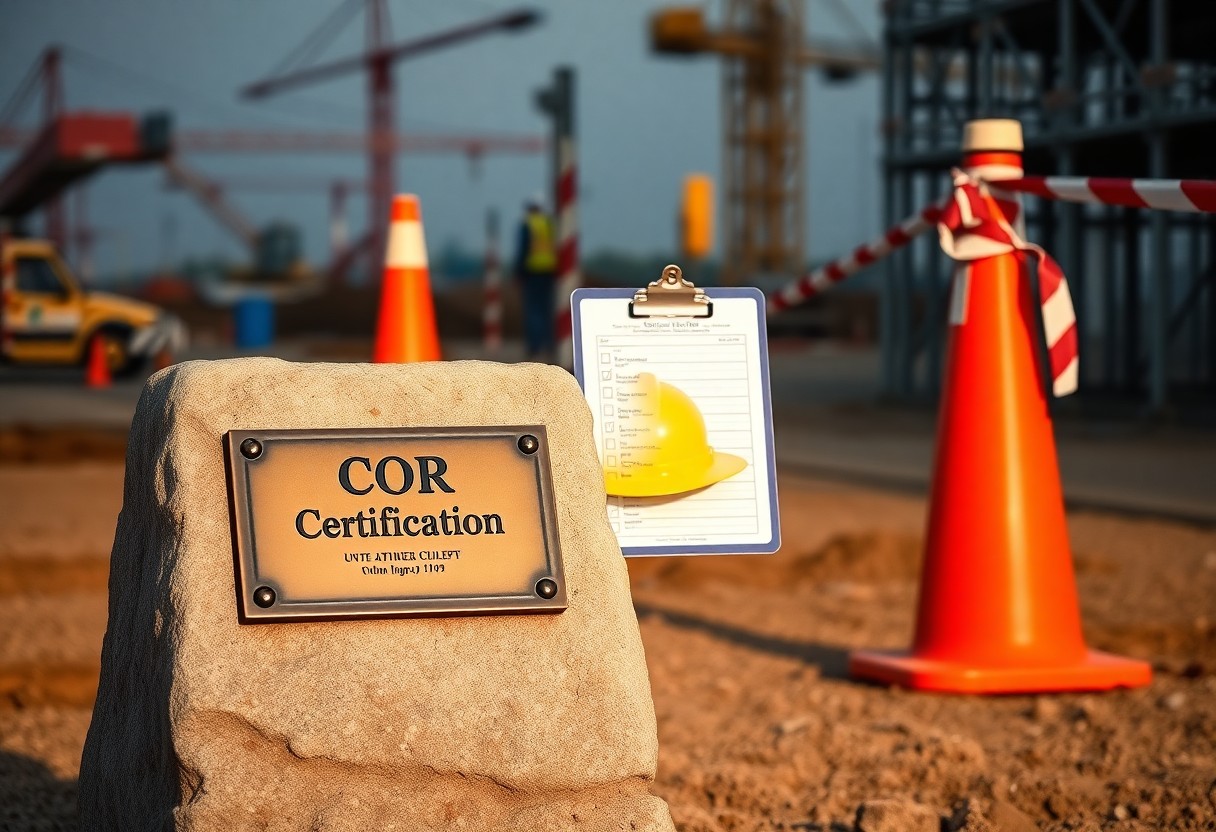
COR Certification Is a Milestone-not a Finish Line
Over 2,000 organizations in Canada have achieved COR certification, a clear mark of safety program maturity, yet compliance alone does not prevent incidents. You now hold a recognized standard, but the real work begins after the audit. Sustained safety excellence demands continuous improvement, not just a one-time达标, and treating certification as an endpoint risks eroding…
-

Can You Have a Strong Safety Culture When Nobody Challenges the Plan?
Key Takeaways: A strong safety culture does not emerge from compliance alone, but from consistent, open challenge to existing plans, as seen in high-reliability organizations like aviation maintenance teams where formal challenge protocols are embedded in daily briefings. Silence in meetings, especially when leadership presents plans, often signals cultural fragility rather than consensus, such as…
-
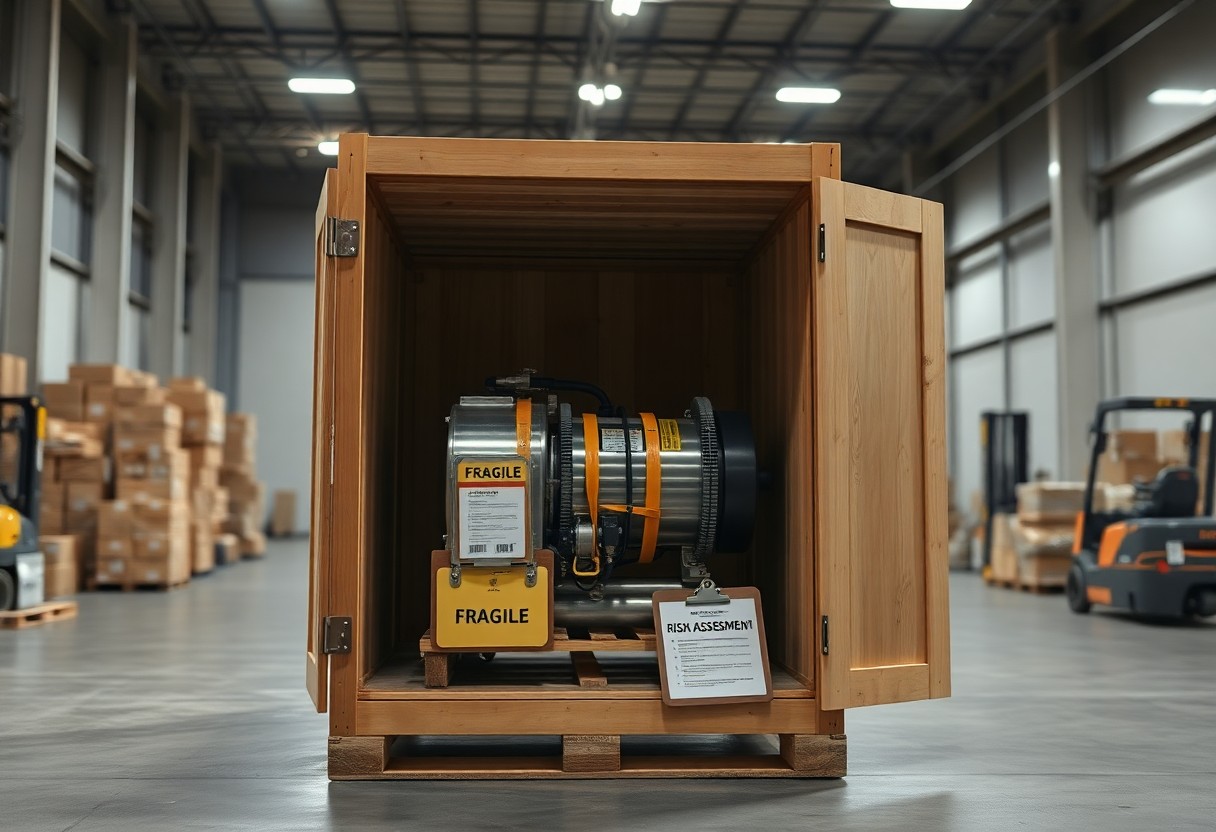
The New Equipment Arrived. Did the Risk Assessment Arrive With It?
You unbox a new machine, its polished surface reflecting your team’s anticipation, but without a completed risk assessment, that equipment becomes a potential source of serious harm. Modern workplaces often prioritize speed over safety, allowing hazards to go unidentified until an incident occurs. Your responsibility begins the moment the delivery is signed. Key Takeaways: A…
-

If Safety Is Everyone’s Responsibility, Who Is Actually Accountable?
It’s easy to agree that safety matters, but when an incident occurs, the shared promise of collective responsibility often dissolves. You hear phrases like “we all own safety” in meetings, yet someone still faces consequences. In a warehouse, a near-miss report reveals a missing guardrail, but only the technician on shift is reprimanded, despite procurement…
-

What Workers Stop Reporting When They Lose Confidence in the System
Many employees continue performing their duties even as trust in management erodes, but what they stop saying reveals far more than what they do. You may still receive incident reports or performance updates, yet critical insights about safety risks, ethical concerns, or operational flaws often vanish first. A mid-sized SaaS firm once discovered that after…
-

When Contractor Safety Becomes the Owner’s Problem
You assume risk the moment a contractor steps onto your site, even if their safety is technically their responsibility. A single incident can trigger regulatory fines, project delays, and legal exposure that directly impact your operations. When safety fails, the distinction between employer and owner often dissolves under scrutiny, leaving you accountable for consequences you…
-

Your Written Program May Be Compliant. Is the Work?
Most written safety programs pass a desk audit with clean documentation and properly filed forms, yet compliance on paper does not guarantee protection on the floor. You may have signed policies, training logs, and regulatory checklists, but if workers bypass procedures daily, your program is performing for auditors, not for safety. A mid-sized SaaS firm…