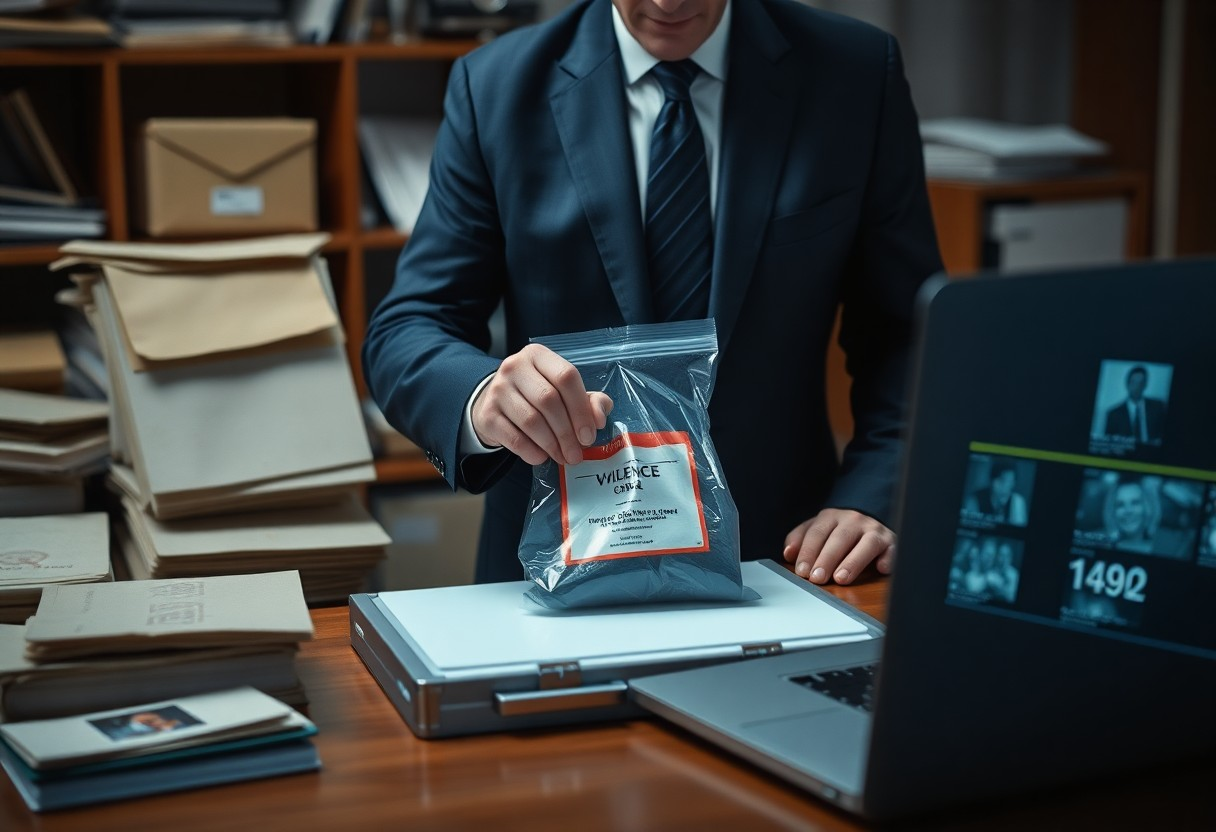
With one directive, a supervisor can redirect the course of an investigation, turning a routine inquiry into a breakthrough or a missed opportunity. You hold the authority to shape outcomes through early decisions on resource allocation, evidence prioritization, and team structure. A single call to isolate a witness or delay a search can determine whether misconduct is exposed or buried. In high-stakes cases, such as the internal review at a mid-sized SaaS firm facing whistleblower claims, the initial chain-of-command choices proved more decisive than any forensic finding.
Key Takeaways:
- A supervisor’s early decision to either isolate or involve external oversight can determine whether misconduct is contained or escalates into systemic failure, as seen in a 2019 hospital audit where delayed external review allowed billing irregularities to persist for eight additional months.
- Choosing to assign an investigator with direct ties to the accused unit often results in compromised findings, a pattern observed in a mid-sized SaaS firm where internal audits conducted by peer teams missed evidence later uncovered by an independent reviewer.
- The timing of a supervisor’s intervention-specifically within the first 72 hours of an allegation-shapes the preservation of digital records, with one manufacturing case showing that delayed action led to the automatic deletion of server logs used in a subsequent whistleblower claim.
The Burden of the Command
One misstep in delegation can cascade through an investigation, distorting outcomes and compromising integrity. When you assign oversight to an untested subordinate without clear parameters, the risk of procedural deviation increases significantly. A supervisor at a regional law enforcement agency once authorized a junior investigator to lead an internal probe, only to discover later that evidence logs had been improperly handled. Your authority carries the weight of accountability, even when tasks are delegated. Failure to maintain active supervision transforms delegation into abdication, exposing the entire process to challenge.
The Path to the Dark
You begin to see how a single misstep in supervision can open the door to compromised evidence, lost credibility, or even legal exposure. When you fail to establish clear oversight early, investigators may interpret guidelines loosely, leading to procedural deviations that undermine the entire case. A mid-sized SaaS firm recently faced sanctions after a supervisor allowed informal interviews without documentation, resulting in inadmissible testimony and a stalled internal review. Your authority shapes the standards, and without active guidance, the investigation can drift into ethically gray territory fast.
The Turn of the Tide
One decision from a supervisor can shift the entire direction of an investigation, turning suspicion into clarity or allowing misconduct to persist. Your choice to act fairly, without letting unconscious bias influence judgment, determines whether trust is restored or eroded. How you respond in those early moments sets a precedent for every employee watching. Learn more about maintaining fairness in high-stakes decisions at Decision-Making in Workplace Investigations: Keep it Fair.
The Cutting of the Lies
One misstep in documentation can irreversibly compromise the integrity of an entire investigation. You know the pressure to align statements, to smooth over inconsistencies for clarity or convenience. But when a supervisor approves altered notes or permits verbal adjustments that stray from original testimony, they aren’t correcting errors-they are creating false records. A single redacted phrase, a softened admission, or a missing timestamp may appear minor until examined under legal scrutiny, where authenticity determines credibility. You’ve seen cases where a junior investigator’s hesitation to challenge a superior’s edit led to evidence being ruled inadmissible, collapsing months of work. Truth isn’t shaped; it’s recorded.
The End of the Road
One misstep in documentation can render an entire investigation invalid, and your failure to close the loop with verified evidence leaves findings vulnerable to legal challenge. A supervisor’s decision to accept incomplete witness follow-up, as seen in a mid-sized SaaS firm’s internal breach review, allowed key contradictions to go unaddressed, ultimately collapsing the case during arbitration. Your conclusion must tie every claim to recorded fact, or risk undoing weeks of work in a single review.
Final Words
You hold the authority to shape an investigation’s outcome the moment you decide whether to act on early warnings or delay intervention. A supervisor at a regional manufacturing plant once dismissed repeated safety complaints as routine, only for a preventable accident to occur weeks later, triggering regulatory scrutiny and a loss of team trust that took years to rebuild.
FAQ
Q: What specific decision by a supervisor can dramatically alter the course of an internal investigation?
A: The decision to either preserve or discard preliminary evidence before formal documentation begins often shifts the trajectory of an investigation. Supervisors who choose to secure digital logs, interview notes, or surveillance footage at the earliest sign of irregularity create a foundation for factual accuracy. A manufacturing plant in Ohio saw a misconduct probe collapse after a supervisor deleted security clips deemed ‘unnecessary’-a move that not only obstructed the investigation but triggered a separate review into chain-of-command accountability.
Q: Can a supervisor’s choice of investigator influence the outcome of a case?
A: Yes, the assignment of an investigator carries substantial weight, particularly when internal biases or departmental loyalties exist. Selecting someone from the same team as the accused, even unintentionally, may result in softened scrutiny. In one documented case at a regional logistics company, a supervisor assigned a close colleague to review timecard discrepancies, leading to a superficial report that missed a six-month pattern of falsified hours later uncovered during an external audit.
Q: How does a supervisor’s response to initial employee statements affect investigative integrity?
A: Immediate reactions-such as dismissing concerns as ‘misunderstandings’ or pressuring employees to retract statements-can taint witness credibility and discourage cooperation. When a retail district manager told a reporting employee ‘we don’t need to make this bigger than it is’ before an HR interview, the investigator noted a marked hesitation in follow-up testimony. That delay allowed procedural gaps to widen, ultimately requiring a second, more resource-intensive review to reestablish trust with involved staff.
Leave a Reply