Key Takeaways:
- A safety program that appears compliant on paper may still fail under regulatory scrutiny if practices in the field do not align with documented procedures, as seen in a 2022 OSHA investigation at a Midwest manufacturing plant where signed training logs contradicted employee testimony about never receiving hazard communication instruction.
- Inspectors prioritize observable conditions and employee interviews over binders of policies, meaning a company with polished manuals but inconsistent enforcement can face citations even when documentation appears complete, such as a construction contractor fined for fall protection violations despite having a written plan that workers said was never followed on site.
- Real compliance requires continuous oversight and adaptation, not just annual reviews, illustrated by a mid-sized SaaS firm that reduced workplace injuries by 40% over two years through monthly safety audits and anonymous worker feedback loops that identified hazards before they led to incidents.
The Paper Shield
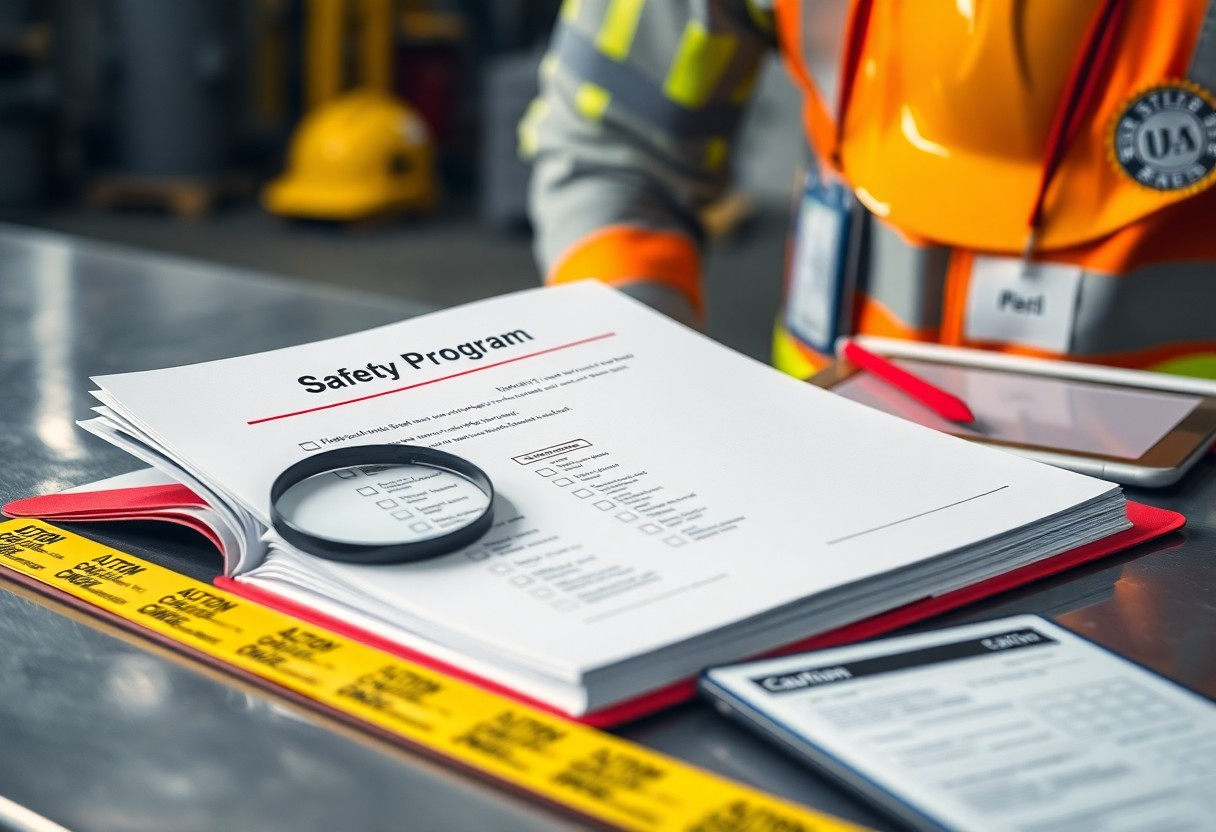
You’ve filed the training records, posted the required signs, and updated your safety manual last quarter. On the surface, everything appears in order-enough to create a deceptive sense of security. But if an OSHA inspector arrives tomorrow, those documents alone won’t protect your workers or your company. Compliance isn’t measured by paperwork thickness, but by what happens when employees face real hazards. A well-documented program without consistent enforcement is just a paper shield-strong enough to impress in the office, but brittle under scrutiny.
The Inspector’s Eye
Inspectors don’t rely on polished binders or well-word-processed policies-they look for evidence of real-world application. If your training logs show every employee completed safety modules on the same day, that pattern raises immediate suspicion. One mid-sized manufacturing site passed desktop reviews for years, only to face citations when an investigator noticed forklift certifications were renewed before the actual refresher sessions occurred. Consistency gaps like these, even in minor details, become anchors for expanded scrutiny.
When the Ground Breaks
When an incident occurs, your response reveals more than your procedures ever could. A single misstep-delayed reporting, inconsistent witness interviews, or missing training records-can unravel an otherwise polished safety program. How you handle one inspection tells me more about your culture than a hundred binders of policy. Review this breakdown of 8 Signs Your Safety Program is Built on the Wrong Foundation to see where gaps hide in plain sight. Regulators don’t penalize for missing checklists-they punish for patterns of neglect.
The True Cost of Neglect
You may have avoided citations during routine checks, but one incident exposes what paperwork hides. A single preventable injury at a mid-sized manufacturing plant triggered a full OSHA investigation, revealing outdated training logs and missing hazard assessments. Fines reached six figures, but the larger cost was operational downtime and irreversible damage to employee trust. Insurance premiums doubled, and the company lost a major contract due to safety performance clauses. Compliance isn’t about passing inspections-it’s about preventing the cascade that follows when systems fail.
Building Real Strength
Your safety program gains real strength when employees at every level act on hazards without waiting for directives. A forklift operator halting work after spotting a cracked floor tile-not because a rule demands it, but because the culture supports intervention-demonstrates a system functioning as intended. Trust, clarity, and consistent follow-through turn compliance into genuine protection.
To wrap up
You’ve reviewed the regulations, posted the signs, and filed the training records-on paper, your program meets every requirement. But when an inspector arrives unannounced, or worse, after an incident, gaps in enforcement, documentation, or employee understanding will surface. A mid-sized SaaS firm once passed audits for years, only to face penalties when an OSHA review revealed outdated emergency procedures never communicated to night-shift staff. Compliance is not a checklist; it’s a culture maintained daily through consistent practice, not just policy.
FAQ
Q: What does it mean when a safety program is described as “compliant on paper” but fails during an investigation?
A: A program that appears compliant on paper typically includes completed checklists, signed training records, and documented policies that meet minimum regulatory requirements. However, during an actual inspection or incident investigation, regulators look beyond documents to verify implementation. For example, an inspector might interview employees on the shop floor and discover that lockout/tagout procedures-though documented-are routinely bypassed to meet production targets. In one case, a manufacturing facility had all required fall protection policies in place, yet investigators found workers at height without harnesses, leading to citations despite the existence of written protocols. Compliance requires both documentation and consistent practice.
Q: How do investigators determine whether safety procedures are actually being followed?
A: Investigators use a combination of employee interviews,现场 observation, and cross-referencing records with real-world conditions. They may ask workers to demonstrate how they perform a task, such as handling hazardous chemicals or responding to an emergency shutdown. If a worker cannot recall recent training or describes a process that differs from the written procedure, it signals a gap. One food processing plant passed routine audits but failed an OSHA investigation when employees admitted they had never used the emergency eyewash station, despite monthly sign-offs confirming its inspection. Observational discrepancies like these undermine the credibility of the entire safety system.
Q: Can a company be cited even if no incident has occurred?
A: Yes, regulatory agencies can issue citations based on observed hazards and systemic failures, regardless of whether an injury has taken place. A construction firm in Texas received multiple willful violations after an inspector found unguarded machinery, missing fall protection on elevated platforms, and expired fire extinguishers-none of which had caused an accident at the time. The presence of recognizable, unmitigated risks is sufficient for enforcement action. Documentation alone does not shield an organization if conditions on the ground show disregard for established safety practices.
Leave a Reply