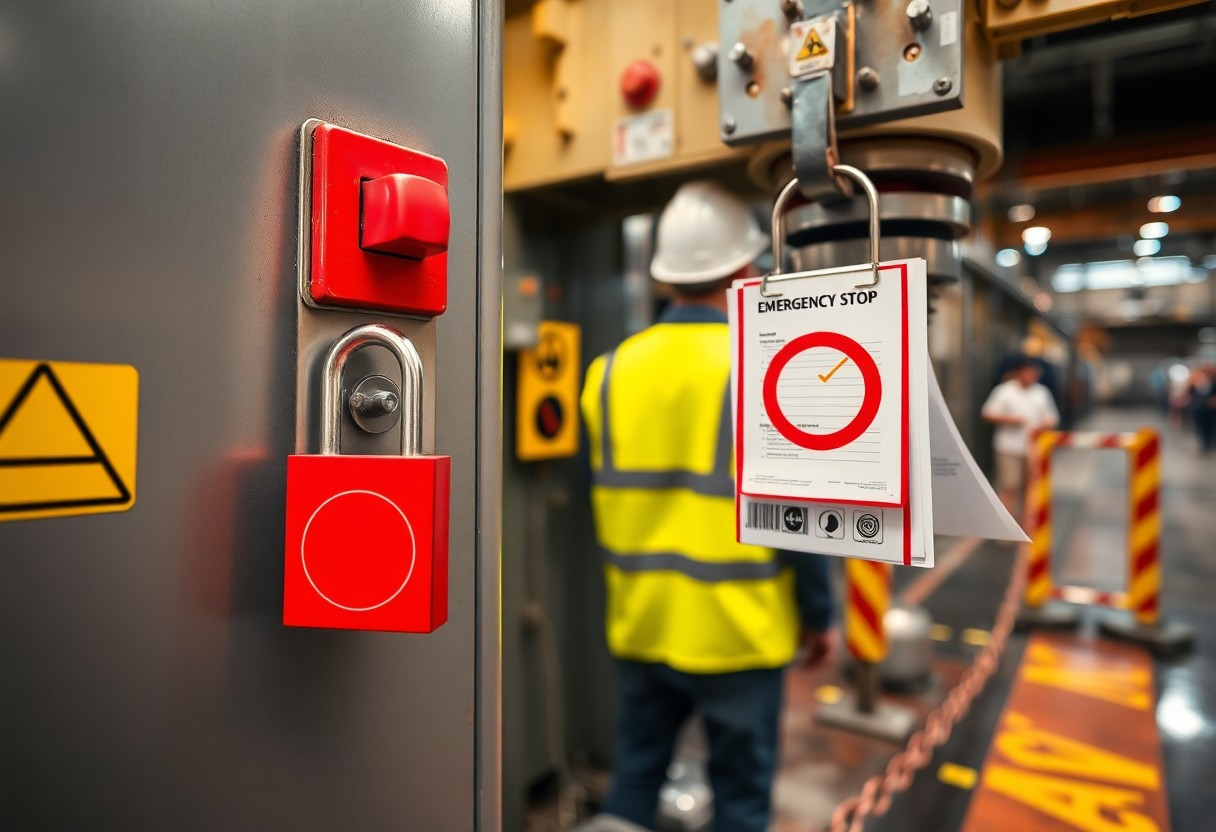
It’s easy to assume that a safety system built on checklists, procedures, and audits is inherently effective, but its real strength lies in how it aligns with the actual work you perform. When daily tasks diverge from official processes, even the most detailed protocols become irrelevant. What you do, not what’s written, determines safety outcomes. A mid-sized SaaS firm discovered this when an outage traced back not to missing policies, but to routine workarounds no one had documented.
Key Takeaways:
- A safety system that does not align with actual work practices will inevitably fail, as seen in the 2005 Texas City refinery explosion where procedures existed but were routinely bypassed due to production pressures.
- When workers adapt to inefficiencies by creating informal shortcuts, the official system becomes irrelevant, turning compliance into a paperwork exercise rather than a protective mechanism.
- Effective safety design integrates the realities of daily operations, such as shift handover delays or equipment access issues, ensuring controls support rather than obstruct the work being done.
The Illusion of the Paper Fortress
Compliance documents alone cannot stop an accident. You may have binders filled with procedures, yet workers routinely bypass steps to meet production demands. A safety system built only on paperwork creates a false sense of control, where the real hazards evolve unchecked while audits confirm only that forms are signed.
Administrative compliance versus operational reality
Procedures often assume ideal conditions, but your crews adapt when delays, equipment issues, or staffing gaps arise. A crane operator skips a checklist to finish a lift before a storm hits, believing the risk is low. What gets documented rarely matches what actually happens in the field.
The hidden gap where accidents thrive
Between written rules and daily practice lies a space where small deviations accumulate. A maintenance tech uses a wrench on a valve because the proper tool isn’t available, just this once. These minor workarounds, repeated silently, form the foundation of future incidents.
That gap widens when supervisors remain unaware of routine adaptations. In one case, a chemical plant followed all audit protocols, yet technicians had informally changed a startup sequence over months to save time. When a new operator followed the official procedure, a pressure surge caused a leak. The system failed not from ignorance, but from disconnection between policy and practice.
The Tipping Point of Drift
Small adjustments to routine procedures often go unnoticed until a failure reveals their cumulative effect. What begins as a minor shortcut can, over time, redefine normal operations. Drift occurs not through negligence but through acceptance, as repeated deviations are silently absorbed into daily practice without formal review or risk assessment.
How small deviations become standard procedure
A technician skips a checklist step to meet a deadline, and nothing goes wrong. The next day, someone else omits the same step. Repetition without consequence reinforces the behavior, and soon the deviation is no longer seen as a shortcut but as the way the task is done.
The adaptation of the standard
Over time, the formal procedure remains unchanged on paper while the actual work evolves. The real standard becomes what people do, not what they’re told to do. This hidden version of the process carries unassessed risks, especially when conditions change or new personnel arrive.
Consider a mid-sized SaaS firm where engineers began bypassing change approvals during off-hours to speed up deployments. No incidents occurred for months, so the practice spread. When a configuration error triggered an outage, the root cause wasn’t a single mistake but a system that had adapted to unsafe norms. The approved process existed only in documentation, disconnected from operational reality.
The Economics of Human Error
Every shortcut taken on the shop floor carries a cost, often paid later in incidents, downtime, or regulatory fines. You treat human error as an event, but it is really a symptom of misaligned incentives and design flaws. A mid-sized SaaS firm discovered that 70% of deployment failures stemmed from bypassed checks, not technical faults. The real expense lies not in the mistake, but in the system that makes it the rational choice.
Why the front line chooses logic over protocol
When production targets loom and equipment lags, workers follow situational logic, not manuals. You expect adherence, yet reward speed. An operator skips a lockout step not out of negligence, but because stopping means missing a shift goal. Protocol fails when it conflicts with perceived success, and the system silently accepts this trade-off until an incident exposes the gap.
Navigating the hidden pressures of the workplace
Unspoken demands-peer expectations, supervisor glances, bonus structures-shape behavior more than posted rules. You may mandate double-checks, but if overtime is denied for delays, compliance erodes. The pressure to deliver often overrides safety directives, not through defiance, but through daily, invisible compromise that feels like survival.
Supervisors rarely hear about the near-miss caused by rushing to meet a deadline because the employee fears being labeled slow or difficult. A technician in a chemical plant once bypassed a sensor calibration, not due to ignorance, but because last month’s “efficiency award” went to the team with the fewest interruptions. These incentives, even when unspoken, become stronger than written policy. What you measure and reward defines what safety really means on the floor.
The Hidden Language of Success
Success in safety systems often speaks quietly, through the absence of incidents and the consistency of routine. What you observe daily-the uneventful shift, the completed checklist, the near-miss logged and reviewed-reveals more than any audit report. David Broadhurst’s Post on LinkedIn highlights how these subtle signals shape resilient operations, offering insight into what truly sustains safety over time (David Broadhurst’s Post).
Learning from the quiet success of daily operations
Each shift that ends without injury carries data you can’t afford to ignore. The way tasks are adapted, tools positioned, or briefings conducted in routine work reveals how your system actually functions. These small, repeated actions define your true safety culture, not the idealized version in policy manuals.
Moving beyond the limits of incident reports
Incident reports capture only what went wrong, leaving invisible the thousands of decisions that prevented failure. Relying solely on them creates a distorted view, skewed toward error rather than resilience. You miss the full picture when you only study breakdowns.
What keeps systems safe is not just the correction of failures but the constant, unnoticed adjustments made by workers to align unpredictable conditions with planned procedures. A mid-sized SaaS firm monitoring deployment patterns found that 90% of risk mitigation occurred outside formal protocols, embedded in team-level coordination and real-time judgment. These adaptive behaviors are rarely documented yet fundamentally protect your operations.
The Design of the Default Path
Default workflows shape behavior more than policies ever can. When the easiest action aligns with safe practice, compliance becomes instinctive. A study linking safety culture, safety performance and financial outcomes found organizations with intuitive systems report fewer incidents, because workers aren’t forced to bypass cumbersome procedures.
Creating tools that support human intuition
Tools should follow how people naturally think under pressure. When interfaces reduce cognitive load, you reduce the chance of skipped steps. A mid-sized SaaS firm redesigned its maintenance checklist into a visual flow, cutting errors by relying on pattern recognition instead of memory.
Strengthening the link between system and action
Real-time feedback closes the gap between intent and outcome. If a worker locks out a machine and the system immediately confirms it, the behavior reinforces itself. Without that signal, uncertainty grows and corners get cut.
Systems gain authority when they respond visibly to user input. Imagine a permit-to-work platform that disables downstream tasks until all safety checks are completed and verified on-site. This kind of enforced sequence prevents premature progression, a common precursor to incidents. The strongest controls are not those that warn, but those that prevent unsafe advancement by design.
Summing up
Your safety system does not stand apart from daily work; it lives within it. When procedures diverge from actual practice, compliance becomes cosmetic, not protective. A technician bypassing a lockout because the checklist doesn’t match the field configuration exposes the gap between design and reality. Your controls are only effective when they reflect how work is truly performed, not how it was imagined in a boardroom. A mid-sized SaaS firm discovered repeated authentication lapses not from negligence but from an approval process that added 47 minutes to routine updates. When the system demands inefficiency, workers adapt-often silently, often unsafely. The strength of your safety framework is measured not in policy thickness but in alignment with operational truth.
FAQ
Q: What does it mean to say a safety system is only as strong as the work it controls?
A: It means that no matter how comprehensive a safety protocol appears on paper, its real effectiveness depends on how closely it aligns with the actual tasks people perform. A system designed around idealized workflows will fail when workers adapt to time pressures, equipment limitations, or environmental constraints. For example, a chemical plant may require a nine-step lockout procedure, but if operators routinely bypass two steps due to shift overlap timing, the system’s integrity collapses at the point of use. The gap between prescribed processes and real-world execution determines the actual level of protection.
Q: Can advanced technology close the gap between safety design and operational reality?
A: Technology can reduce discrepancies but cannot eliminate them without addressing underlying work demands. Sensors, automated checklists, or digital permits may flag deviations, yet they often introduce new complexities. A mining operation installed real-time proximity alerts on heavy machinery to prevent collisions, but operators began disabling them during tight maneuvering because the alarms triggered too frequently under normal conditions. The system assumed a static environment, while the work required dynamic adjustments. Tools succeed only when they accommodate the variability inherent in frontline tasks, not when they attempt to suppress it.
Q: How do organizations identify where their safety systems are misaligned with actual work?
A: They observe work as it happens, not as it is documented. One rail maintenance company discovered that crews consistently skipped safety briefings before track access, not due to negligence, but because the official 20-minute session overlapped with the only available train shuttle window. By conducting ride-alongs and shift shadowing, managers saw that compliance was structurally impossible under current scheduling. Adjusting the shuttle timing and condensing the briefing into a mobile audio format restored adherence. Direct observation, not incident reports or audit scores, revealed the true constraints shaping behavior.
Leave a Reply