Latest Blog Posts
Etiam placerat velit vitae dui blandit sollicitudin. Vestibulum tincidunt sed dolor sit amet volutpat. Nullam egestas sem at mollis sodales.
-

When Production Pressure Quietly Rewrites the Safety Procedure
Over time, daily production demands can subtly reshape how safety protocols are applied, even without formal changes. You may not notice the shift until an incident occurs, but small deviations become normalized, turning risky shortcuts into routine practice. In high-stakes environments, compliance erosion often begins not with intent, but with…
-
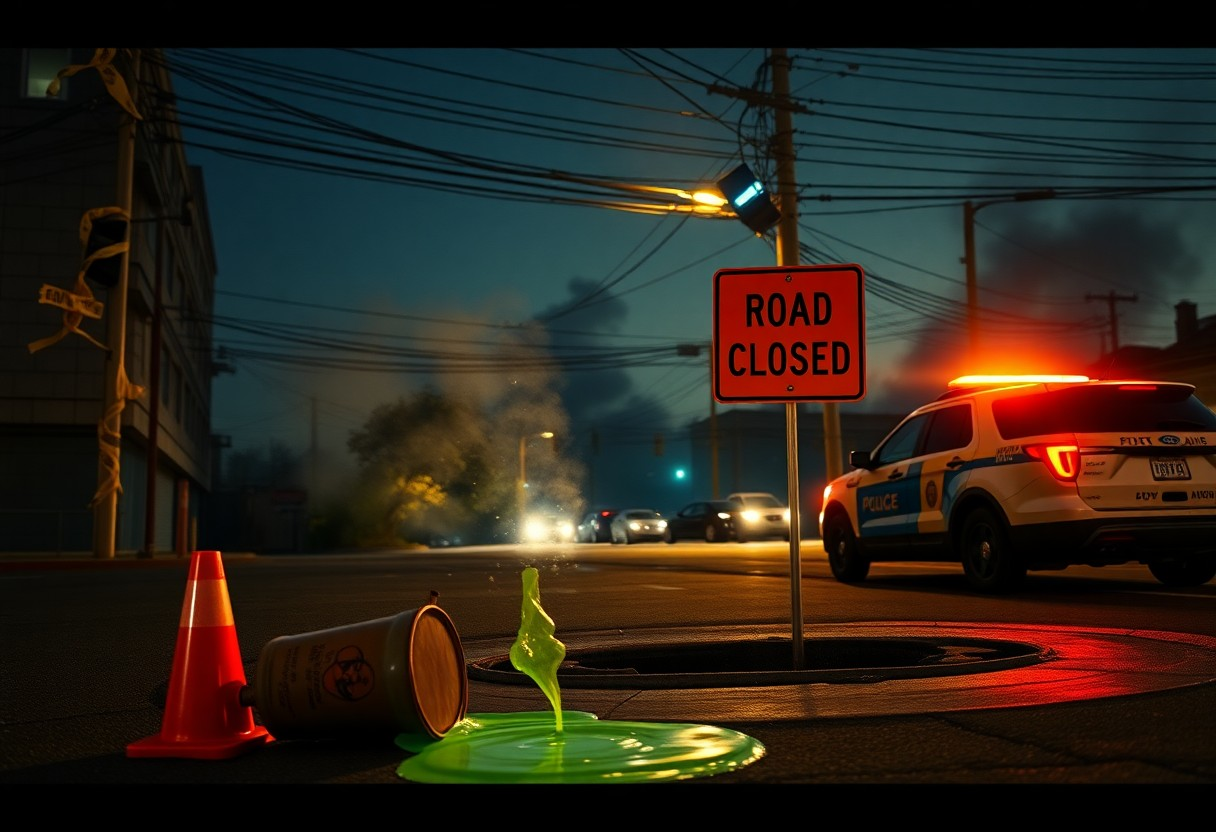
The Incident Hasn’t Happened Yet-But the Warning Signs Are Already There
There’s a quiet pattern in the days before disaster: systems still function, reports appear normal, and operations run on schedule. Yet beneath the surface, small anomalies accumulate-a delayed response, an ignored alert, a repeated oversight. You’ve seen these moments, dismissed as minor, but they form a distinct and dangerous signal.…
-

What Executives Should Ask Before Approving an Investigation Report
Investigation reports often serve as the foundation for disciplinary actions, legal decisions, and public statements, making your approval a high-stakes responsibility. You must ensure the findings are not only accurate but also derived from a fair and thorough process. A single overlooked inconsistency can undermine credibility, expose the organization to…
-

Artificial Intelligence Can Write a Safety Procedure. Should You Trust It?
Most safety procedures generated by artificial intelligence appear polished and technically sound, but they can omit critical context-specific risks that only human experience detects. You rely on these documents to protect people, yet AI lacks firsthand understanding of real-world hazards. While AI can draft content quickly, it may replicate outdated…
-
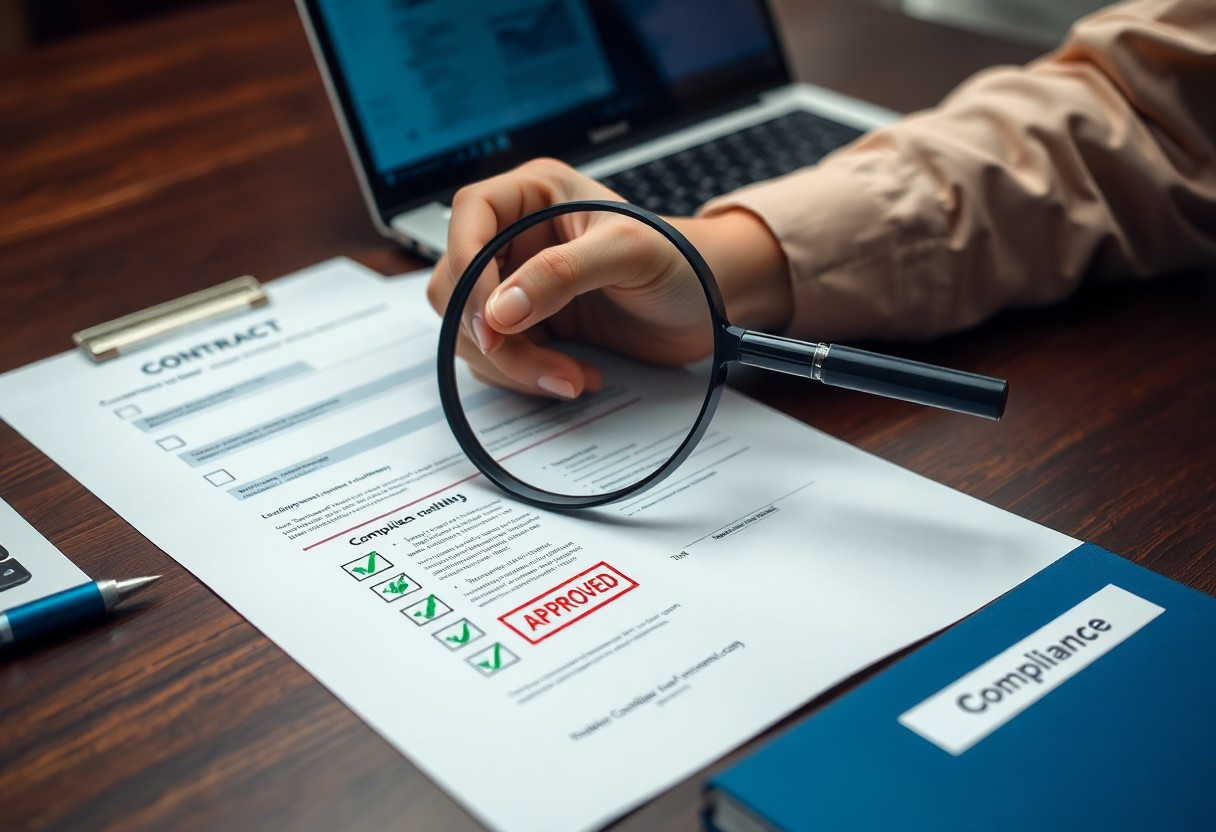
Could You Demonstrate Due Diligence Without Using the Words “We Have a Policy”?
Many organizations assume that citing a policy is sufficient proof of responsibility, but regulators, clients, and stakeholders increasingly demand evidence of actual behavior. You operate in an environment where written guidelines alone carry little weight if not mirrored in consistent action. A mid-sized SaaS firm faced regulatory scrutiny not because…
-
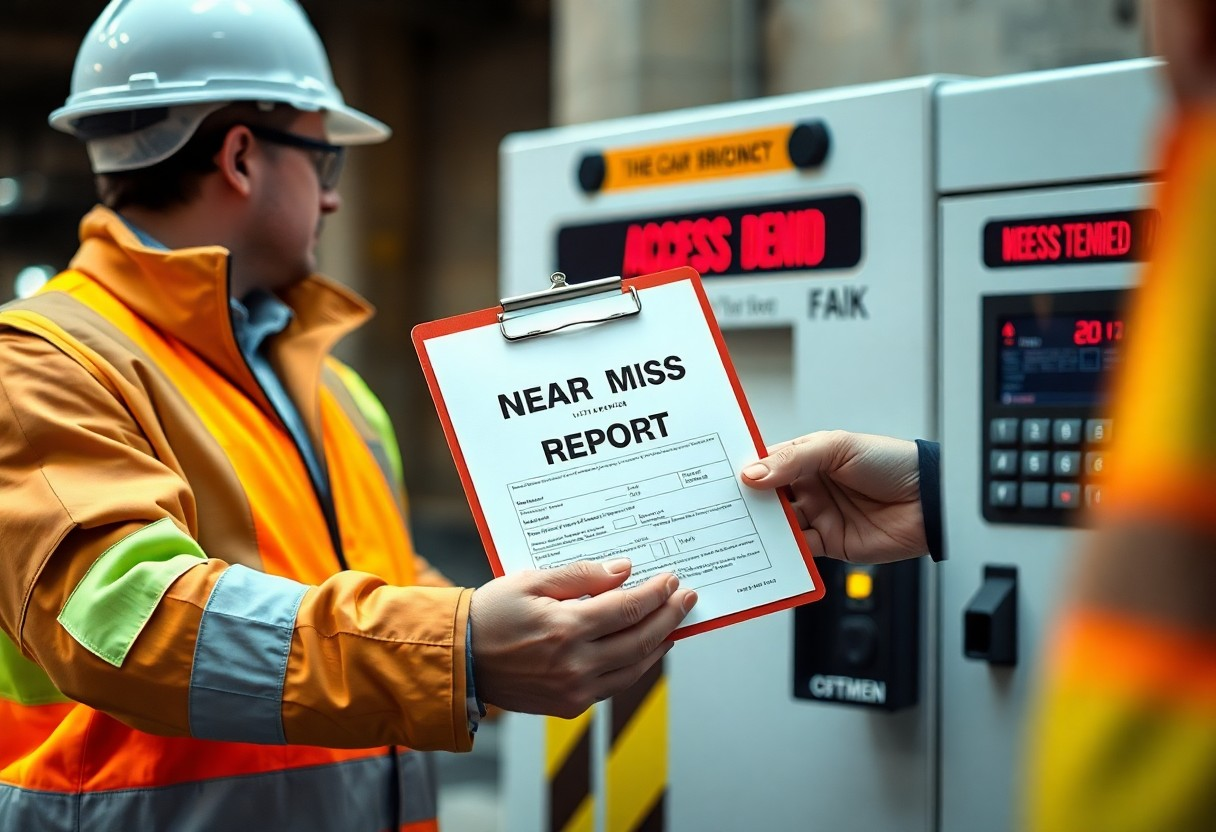
People Report Near Misses to Leaders They Trust-not Systems They Fear
There’s a quiet moment after a near miss-when no one was hurt, but everything could have gone wrong-where your choice to speak up depends less on policy and more on who you believe will listen without blame. In environments where fear of retribution looms, errors stay hidden; in teams led…