Latest Blog Posts
Etiam placerat velit vitae dui blandit sollicitudin. Vestibulum tincidunt sed dolor sit amet volutpat. Nullam egestas sem at mollis sodales.
-

The Compliance Gap That Often Remains Invisible Until Someone Gets Hurt
It’s easy to assume your organization is compliant when documents are signed and audits passed, but real risk often hides in plain sight. You follow procedures, check boxes, and train staff, yet gaps in enforcement or interpretation can persist for years. These oversights rarely surface until an incident occurs, making…
-

The Evidence That Starts Disappearing Minutes After an Incident
There’s a critical window of minutes after an incident where evidence begins vanishing, often before investigators arrive. Physical traces degrade, witness memory distorts, and environmental factors erase clues silently. You’re responsible for recognizing these losses in real time, whether it’s a slip-and-fall or a machinery failure. A mid-sized SaaS firm…
-
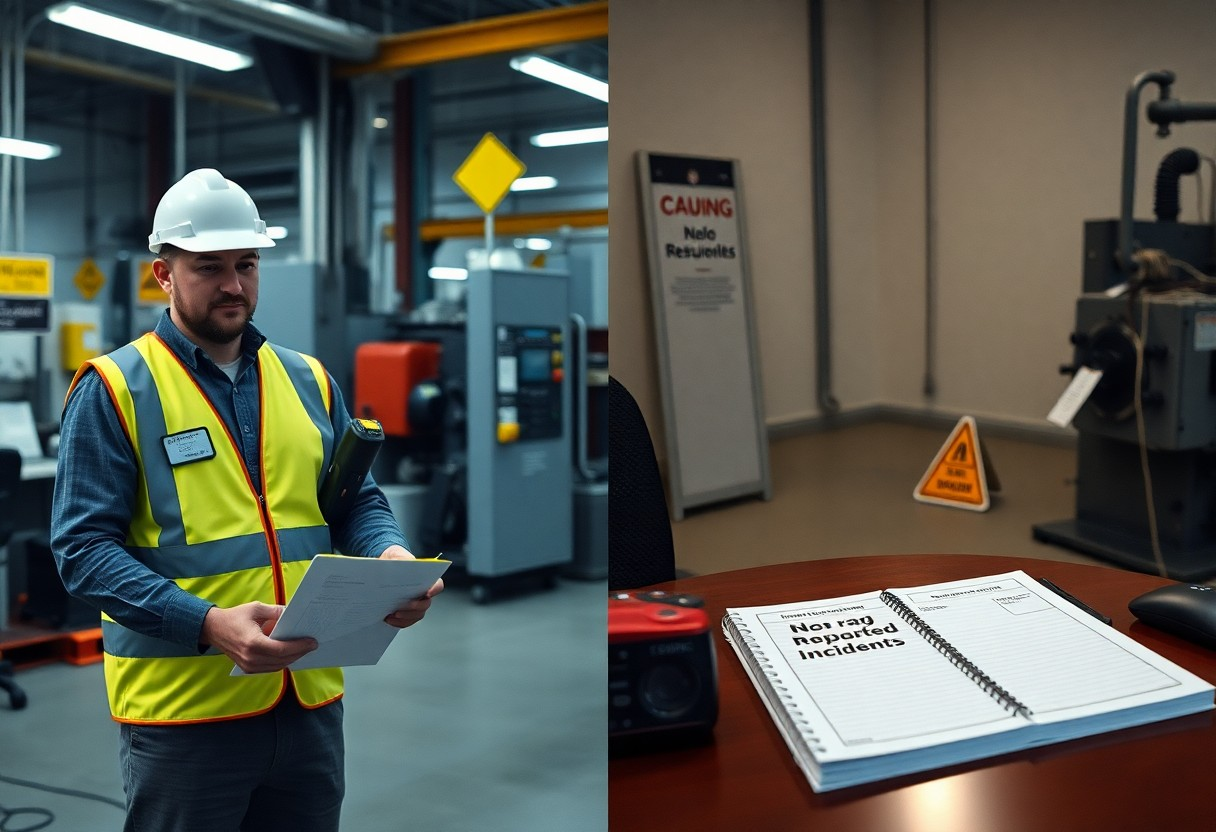
The Difference Between Measuring Safety and Measuring the Absence of Reported Harm
With every incident report you review, you’re seeing only what was captured, not the full picture of risk. Tracking the absence of reported harm can create a false sense of security, as it conflates silence with safety. A workplace with no reported injuries may still be dangerously unsafe, especially if…
-

Would Two Supervisors Handle the Same Hazard the Same Way?
Consistency in hazard response is often assumed, yet two supervisors observing the same spill on a factory floor may react very differently. You might issue a corrective action immediately, while another may first assess workflow impact. These variations aren’t random-they stem from deeply rooted cognitive patterns, past experiences, and unspoken…
-

The Safety Program Exists on Paper. Where Else Does It Exist?
Most safety programs live in binders, gathering dust on shelves while incidents unfold on the floor. You’ve signed the policy, attended the training, checked the compliance box. But when a forklift cuts too close to a pedestrian walkway, it’s not the document that prevents injury-it’s behavior. A program that exists…
-

Your Open-Door Policy Means Little If Workers Fear Walking Through It
You invite feedback, keep your office door open, and encourage transparency, yet silence persists. Employees often perceive psychological risk in speaking up, even when access is granted. A policy without safety is performative, offering the illusion of openness while discouraging honest dialogue. Your intent may be inclusive, but the culture…