Author: mike
-
The Working-at-Heights Gap Ontario Employers Often Discover Too Late
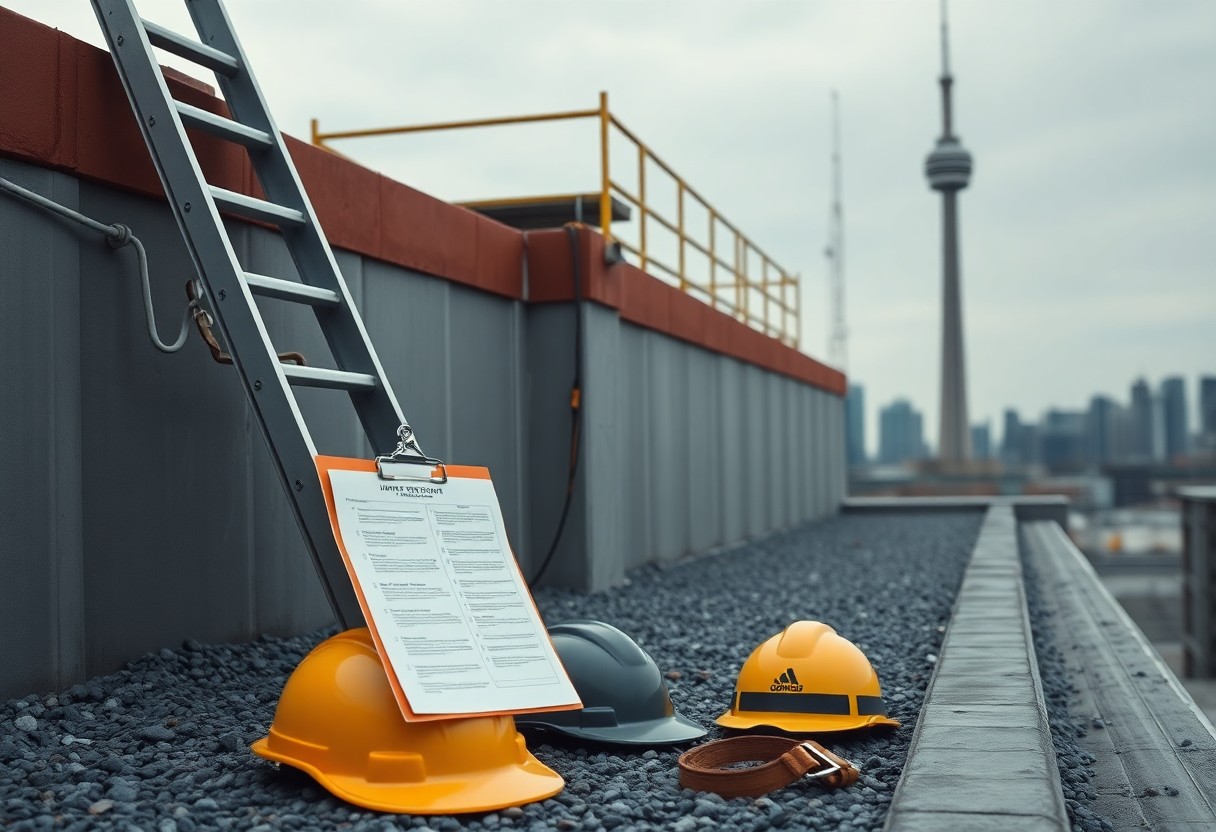
Over 20% of workplace fatalities in Ontario involve falls, and you may not realize your current training fails to meet the province’s mandatory working-at-heights requirements. Many employers assume basic orientation is enough, but only Ministry-approved training with hands-on components satisfies the law. When inspectors arrive, the gap between compliance and assumption becomes dangerously clear. Key…
-

How Production Targets Quietly Influence Unsafe Decisions
With daily output goals shaping priorities across industries, you face subtle pressure that can shift safety to the background. Meeting targets often feels non-negotiable, and even minor shortcuts-skipping equipment checks, bypassing lockout procedures, or working at unsafe speeds-become routine. In high-pressure environments, the most dangerous risks aren’t mechanical failures but normalized compromises, quietly accepted to…
-

What York Region Employers Should Know About Supervisor Accountability
There’s a legal expectation in Ontario that supervisors actively uphold workplace safety standards, not just observe them. You are directly responsible for identifying hazards, enforcing protocols, and ensuring team compliance. A single oversight can trigger significant fines or criminal charges, especially if an incident occurs. Your role extends beyond management-it carries personal liability under the…
-

The Mental Health Risk Hidden Inside “High-Performance” Workplaces
Mental exhaustion often masquerades as dedication in environments that reward constant output, and you may not realize you’re at risk until symptoms become severe and persistent. High-performance cultures frequently normalize overwork, framing it as ambition, while quietly eroding psychological resilience. You’re expected to deliver results, yet the cost-measured in anxiety, insomnia, and emotional detachment-rarely enters…
-
Before You Blame the Worker, Examine the System That Shaped the Choice
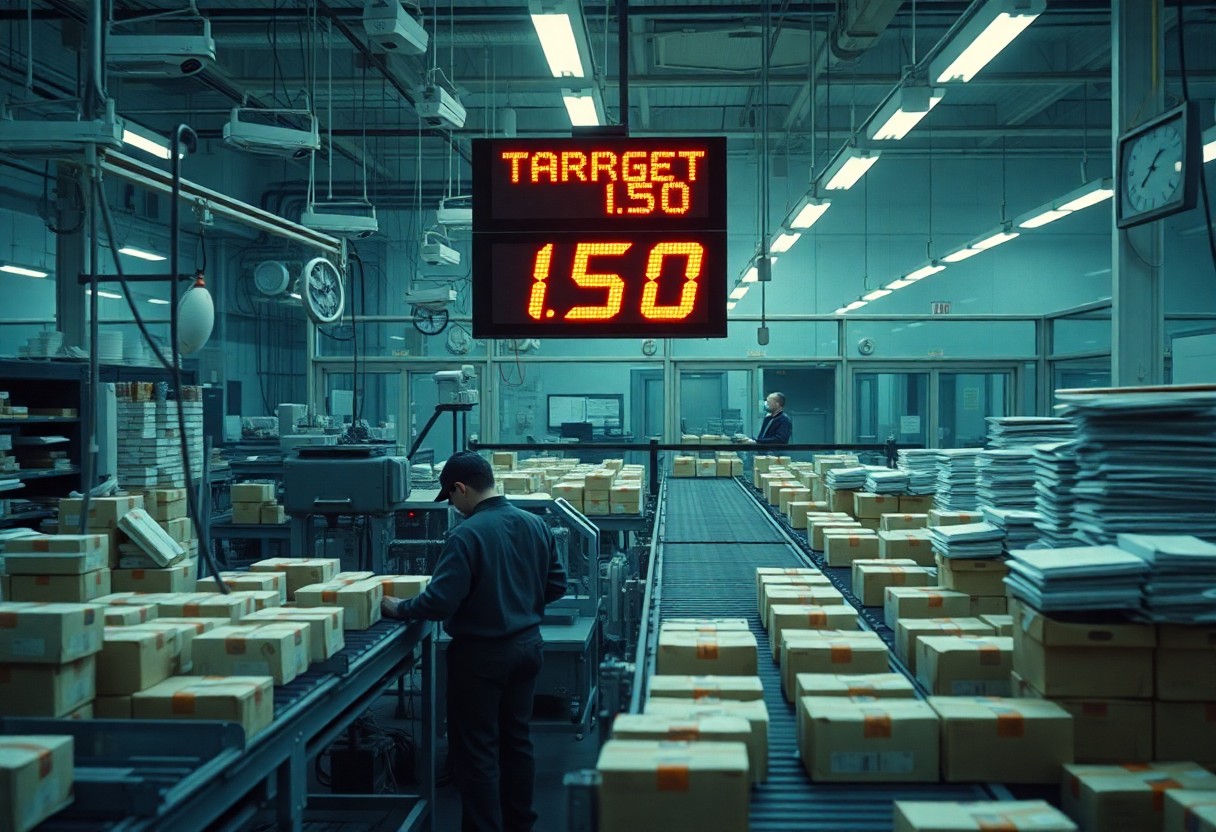
With a single error, a nurse administers the wrong dosage, triggering an investigation, headlines, and swift disciplinary action. You see the mistake and assume negligence, but the real failure often lies not in the individual, but in the invisible pressures, flawed workflows, and unspoken incentives that shaped their decision. Systems quietly guide behavior, and blaming…
-
The Most Expensive Safety Problem Is Often the One Nobody Reports
Key Takeaways: A single unreported safety concern at a manufacturing plant led to a cascade of equipment failures, illustrating how silence can amplify risk far beyond the initial incident. Employees in high-pressure environments often withhold reports due to fear of blame, a pattern observed in industries ranging from aviation to healthcare, where psychological safety lags…
-

Safety Out of Office – When the Procedure Looks Better Than the Work
Most safety procedures are designed to protect you, but when compliance becomes more important than competence, the workplace grows more dangerous. You follow every documented step, sign the log, attend the briefing, yet the real hazards-the ones that can’t be captured in a checklist-remain unaddressed. A mid-sized SaaS firm once celebrated perfect audit scores while…
-
Your Workers Know Where the Safety Program Breaks Down
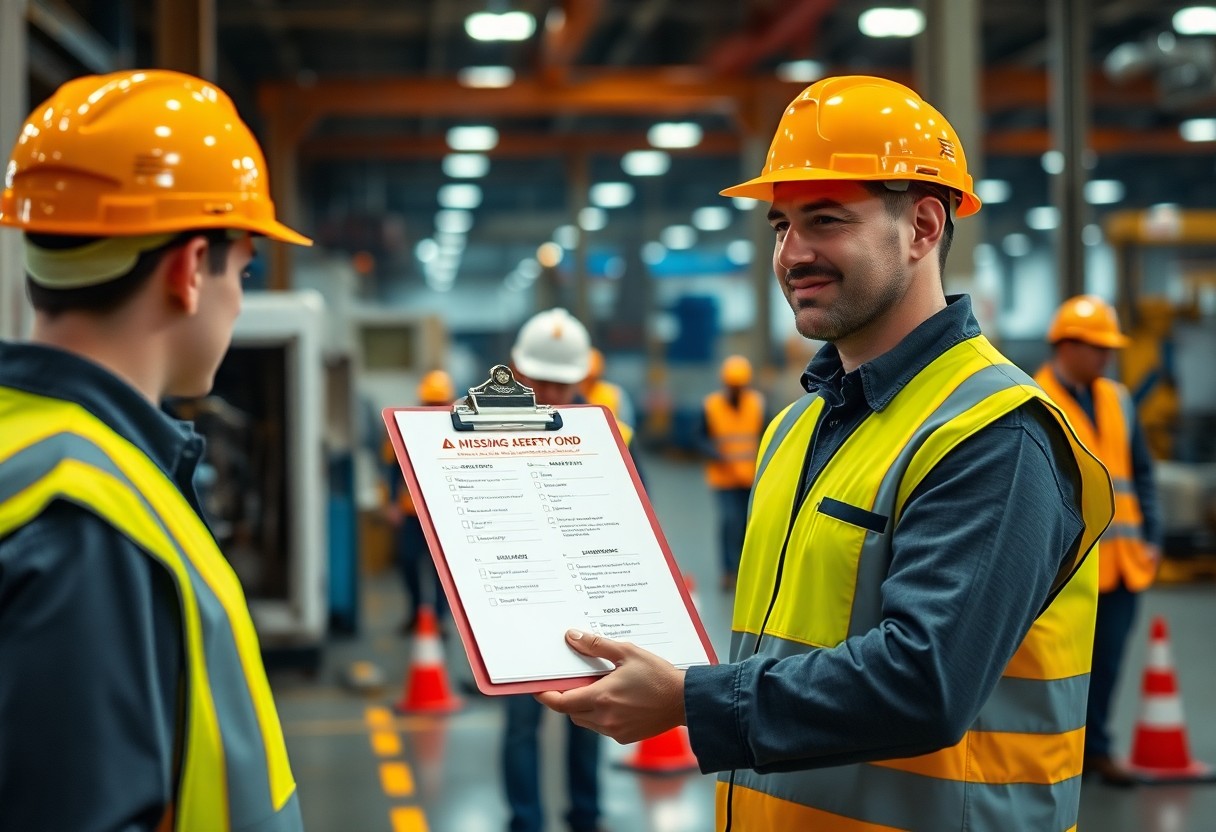
With every shift, your frontline employees encounter the real-world pressures and physical realities that expose where safety protocols fail. They see the most dangerous shortcuts, experience the gaps in enforcement, and often adapt procedures silently to get work done. Their daily experience holds the clearest map of system weaknesses-and the best path to meaningful improvement.…