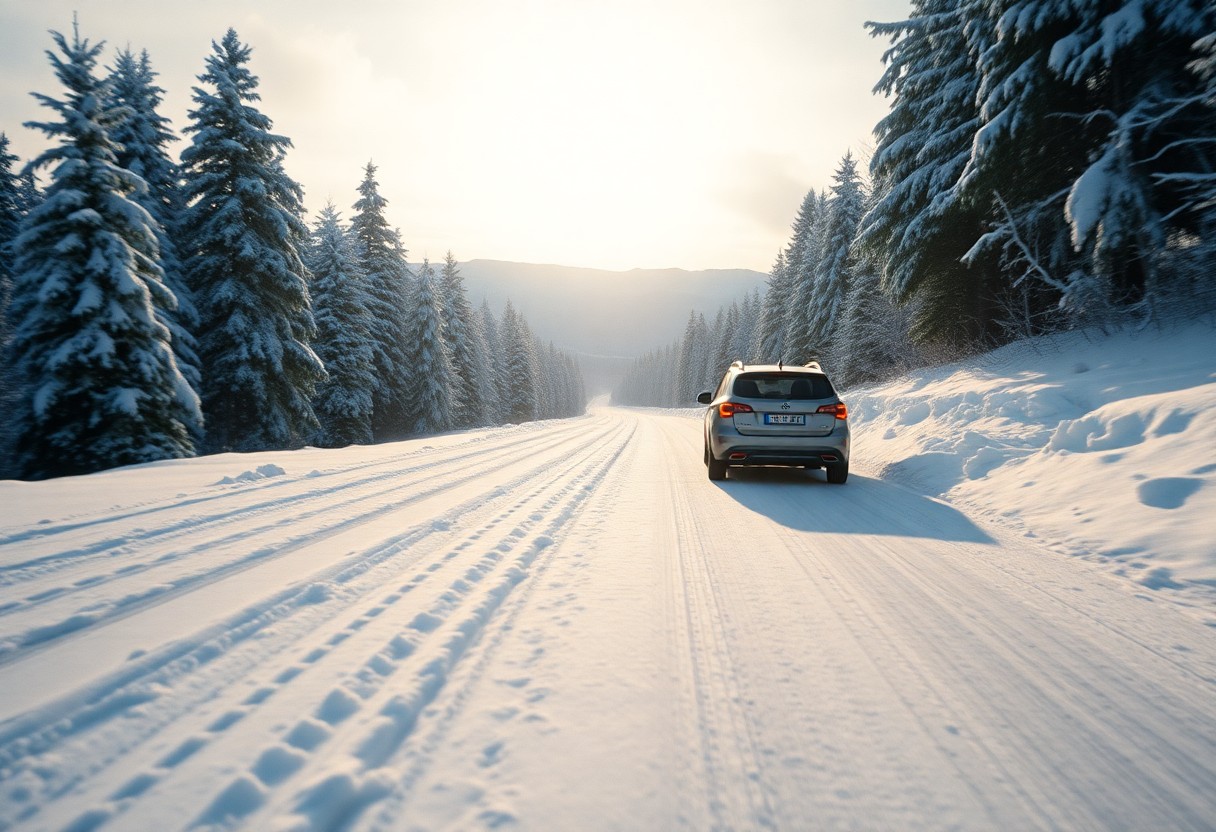
Over the winter months, driving conditions can become perilous due to snow and ice. It’s vital that you adapt your driving techniques to ensure your safety and that of others on the road. Understanding how to manage slippery surfaces, maintain control of your vehicle, and employ effective braking strategies can make a significant difference. By being prepared and informed, you can drive confidently through challenging winter weather, turning a potential hazard into a manageable experience.
Key Takeaways:
- Maintain a safe following distance to allow for longer stopping times on slippery surfaces.
- Use winter tires for better traction and handling in snowy and icy conditions.
- Practice gentle acceleration, braking, and steering to prevent skidding and loss of control.
Understanding Winter Weather
Types of Snow and Ice
Driving in winter conditions requires knowledge of the different types of snow and ice that can affect the road. The characteristics of these elements can significantly impact your traction and control. For instance, powder snow tends to be lighter and offers less resistance, allowing for easier steering but can be difficult to stop on. Conversely, wet snow can create layers of slush that reduce your vehicle’s grip on the surface, increasing the likelihood of skidding.
- Ice patches – Often form unexpectedly, making them very hazardous.
- Black ice – Virtually invisible and creates a major risk for skidding.
- Fresh snow – Provides some traction but can obscure obstacles.
- Hard-packed snow – Can become icy, leading to reduced traction.
- Drifting snow – Affects visibility and can obscure road markings.
Assume that understanding these variations helps you anticipate how your vehicle might react in different conditions, allowing you to drive more safely.
| Type | Characteristics |
|---|---|
| Powder Snow | Lightweight and difficult to stop on. |
| Wet Snow | Creates slush that can reduce traction. |
| Ice Patches | Form unexpectedly, very hazardous. |
| Black Ice | Invisible and causes skidding risks. |
| Fresh Snow | Obscures obstacles and affects traction. |
How Temperature Affects Driving Conditions
The temperature is a critical factor that influences winter driving. As temperatures dip below freezing, moisture on the roads can freeze, creating ice that is exceedingly difficult to spot and navigate. In fact, when temperatures hover around freezing, you may encounter both ice and wet roads, making it necessary to adjust your driving habits accordingly. Understanding that the conditions can vary with minor temperature changes is vital for safety.
| Temperature Range | Impact on Driving |
|---|---|
| Above 32°F | Wet roads, potential for slush. |
| 30°F – 32°F | Formation of ice, particularly at night. |
| Below 30°F | Increased risk of black ice. |
| Below 20°F | Harsh conditions; need for heavier traction. |
| Single digits | Risk of mechanical failure increases. |
Additionally, as temperatures decrease, the behavior of your vehicle changes. Cold weather can lead to decreased tire pressure, which impacts your vehicle’s grip on the road. It’s common for tire pressure to drop by about 1 PSI for every 10°F of temperature drop, affecting handling and braking. Regularly monitoring your tire pressure ensures that you maintain optimal contact with the road during winter conditions.
| Impact | Recommendation |
|---|---|
| Decreased tire pressure | Check tire pressure frequently. |
| Risk of black ice | Drive cautiously in the mornings and evenings. |
| Increased stopping distances | Increase following distance. |
| Mechanical failure risk | Ensure regular vehicle maintenance. |
| Reduced battery performance | Keep battery connections clean and check charge. |
Preparing Your Vehicle
Winter Tires vs. All-Season Tires
Concerning navigating winter roads, winter tires are specifically designed to handle cold temperatures and provide better traction on snow and ice. They feature deeper treads and softer rubber compounds that remain flexible, enhancing grip as the temperature drops. In contrast, all-season tires may not perform as well in severe winter conditions due to their harder rubber, which can become rigid in colder environments. If you frequently drive in areas with heavy snowfall, investing in a set of winter tires can significantly improve your vehicle’s handling and safety.
The difference is particularly noticeable during braking and acceleration. Studies show that vehicles equipped with winter tires can stop up to 30% shorter distances on icy surfaces compared to those with all-season tires. If winter is a consistent factor in your driving experience, opt for winter tires for optimum control and peace of mind.
Essential Winter Driving Kit
Prepare yourself for winter driving by assembling an imperative winter driving kit in your vehicle. Key items should include a shovel, ice scraper, and a set of jumper cables, as these can help you dig out of snow, clear your windshield, or jump-start your battery if it dies in the cold. Additionally, a first aid kit, warm blankets, and non-perishable food can be life-saving in case you become stranded. Equip your vehicle with a flashlight and batteries, as visibility is imperative during winter emergencies.
Also consider including tire chains and a small bag of salt or sand to improve traction if you get stuck. Winter driving conditions can be unpredictable, so having these items readily available ensures you can handle a variety of situations. Familiarize yourself with this kit and check the supplies periodically, especially before commenceing on long trips.
Driving Techniques for Snow and Ice
Maintaining Control
When driving on snow and ice, maintaining control is vital for your safety. Keep your steering movements smooth and deliberate. Avoid making sudden turns or sharp maneuvers, as these can lead to losing traction. When you feel your vehicle start to skid, steer gently into the skid rather than against it. This technique helps you regain control and avoids overcorrecting, which can cause a more severe loss of traction.
Additionally, stay aware of your vehicle’s handling characteristics. Each vehicle behaves differently under slick conditions, so it may take time to understand how your car responds. Regularly adjusting your speed according to the road conditions and keeping your tires properly inflated can significantly enhance your control on icy surfaces.
Braking Safely
Effective braking is crucial for navigating winter roads safely. Use a gentle, gradual approach when applying the brakes. Sudden braking can lead to skidding and loss of control. Instead, anticipate stops by easing off the accelerator early, allowing for a smoother slowdown. If your vehicle has an anti-lock braking system (ABS), apply steady pressure on the brake pedal rather than pumping it. This allows the system to maintain traction while decelerating.
In situations where you start to skid while braking, keep your foot on the brake and steer in the direction you want the front of the car to go. Be mindful of black ice—areas that appear wet but are actually sheets of ice—often located on bridges and shaded roads. Driving at lower speeds significantly enhances your ability to brake safely and react to unexpected obstacles.
Navigating Slippery Roads
When driving on slippery roads, your approach can dramatically affect your safety and control of the vehicle. You need to be aware that stopping distances will increase significantly, meaning you should maintain a greater distance from the car in front of you. Utilize low speeds and gentle steering movements to keep control. If you feel your vehicle start to slide, avoid slamming on the brakes; instead, steer into the direction of the skid to regain traction. Keeping your focus on the road ahead allows you to anticipate changes and react accordingly.
Avoiding Black Ice
Black ice is particularly deceptive, as it blends seamlessly with the asphalt. The best way to avoid it is to be vigilant during shifts in temperature, especially when it hovers around the freezing point. Watch for reflective surfaces or shaded areas, where ice is more likely to form. Always slow down as you approach bridges, overpasses, and shaded roads, as these areas freeze first and can remain icy longer than the surrounding roads.
To minimize the risk of encountering black ice, you should increase your following distance and use your lights to increase visibility. If you find yourself skidding on black ice, keep calm: gently steer into the slide and avoid over-correcting. Staying calm allows you to assess your situation better and make informed decisions to regain control of your vehicle.
- black ice
- deceptive conditions
- temperature variations
- control your vehicle
Tips for Climbing and Descending Hills
When approaching hills in snowy or icy conditions, it’s important to make strategic adjustments to your driving. For climbing, maintain a steady speed and avoid sudden acceleration, which can cause your tires to spin and lose traction. If you need to gain momentum, shift into a lower gear before the incline. When descending, lower your speed and use your brakes gently to prevent locking up the wheels, utilizing engine braking when possible to maintain control. This helps to prevent skidding and keeps your vehicle stable as you navigate the slope.
In challenging hill conditions, it’s vital to plan your route ahead of time and know what to expect. Having a clear understanding of the terrain can help you make informed decisions on when to accelerate or break. Additionally, be cautious of other drivers, as their sudden maneuvers can impact your path. Always keep a safe distance from vehicles in front of you, as they may encounter difficulties that could affect your driving stability.
- climbing hills
- descending hills
- steady speed
- engine braking
Recognizing the crucial aspects of handling hills can greatly improve your winter driving experience and safety.
Emergency Situations
What to Do If You Get Stuck
If you find yourself stuck in snow, the first step is to assess your environment. Check your surroundings for potential hazards, such as oncoming traffic or steep inclines. Before making any attempts to get out, ensure your exhaust pipe is clear of snow to prevent carbon monoxide buildup. Once you’ve confirmed it’s safe, engage your vehicle’s hazard lights to alert other drivers.
To attempt getting unstuck, gently shift your vehicle back and forth by alternating between driving forward and reversing. This rocking motion can help free your tires from snow. If possible, place materials like sand, gravel, or even your floor mats in front of your tires to increase traction. Avoid spinning your tires excessively, which can dig you deeper into the snow.
Handling Accidents in Winter Conditions
Accidents can happen quickly in winter conditions, and how you respond is critical. First, check for injuries among all parties involved. If anyone is hurt, call emergency services immediately. Move your vehicle to a safe location, if possible, to prevent further collisions. Ensure you also activate your hazard lights and set up flares or warning triangles to alert other drivers.
Document the scene by taking photos and gathering information from other drivers, such as their contact and insurance details. Be sure to note road conditions and weather at the time of the accident, as these can support any claims you need to file later. You may also want to consider contacting your insurance company from the scene, so they are informed of the incident as it happens.
In winter accidents, it’s especially important to remain calm and collected. Snow and ice can exacerbate the stress of a collision, but creating a clear report with evidence will help in any insurance discussions. Should you need medical attention, don’t hesitate to seek it, as injuries sustained during winter driving may not be immediately apparent.
Resources and Tools
Weather Apps and Websites
Utilizing reliable weather apps and websites is imperative for winter driving. Apps like Weather Underground, AccuWeather, and The Weather Channel provide up-to-date forecasts and alerts for your area. You can receive real-time notifications about snow accumulations, temperature drops, and hazardous conditions. This information allows you to plan your trips wisely, avoiding areas that are particularly affected by severe weather.
In addition, several platforms offer specialized features for winter weather. For example, RadarScope gives you access to detailed radar imagery, helping you track incoming storms more accurately. To further enhance your driving skills in snow and ice, Learn How to Drive in Snow and Navigate Icy Conditions. Prioritize safety by staying informed about changing weather patterns.
Local Winter Driving Laws
Understanding your area’s winter driving laws is vital for compliance and safety during snow and ice events. Different regions have specific requirements regarding equipment such as snow tires or chains, and you could face fines if you do not comply. Make sure to check local regulations, which can vary significantly from one state or municipality to another. More than just a guideline, these laws are designed to ensure that all drivers are prepared for the unique challenges of winter travel.
Additionally, many states require certain safety measures, such as carrying emergency supplies, especially during winter months. Being aware of local laws not only keeps you on the right side of the law but also enhances your safety and the safety of others on the road. Always stay informed to avoid unnecessary penalties and ensure that you’re equipped for winter driving challenges.
Summing up
The challenges of winter driving demand your full attention and preparation. By understanding how to navigate snow and ice effectively, you can significantly enhance your safety on the road. Equip your vehicle with the proper tires, keep imperative winter supplies handy, and adapt your driving techniques to suit the weather conditions. These practical steps will help you stay in control and reduce the risks associated with slipping and skidding.
Additionally, staying informed about weather forecasts and road conditions will empower you to make safer choices regarding your travel plans. When faced with adverse weather, exercising patience and allowing extra time for your journeys will ease your driving experience. By taking these precautions and adjusting your mindset, you will navigate winter roads with confidence and competence.
FAQ
Q: What are the best practices for driving on icy roads?
A: It’s important to maintain a safe following distance, reduce speed, and avoid sudden maneuvers. Use gentle steering and braking to maintain control, and consider using winter tires designed for icy conditions.
Q: How can I prepare my vehicle for winter driving conditions?
A: Ensure your vehicle is winter-ready by checking the battery, brakes, and tire tread depth. Keep an emergency kit with supplies such as blankets, food, water, a flashlight, and a first-aid kit in your vehicle at all times.
Q: What should I do if I start to skid on ice?
A: If your vehicle begins to skid, steer into the skid to regain control. Avoid slamming on the brakes, as this can worsen the situation. Instead, gently steer and adjust your speed to help stabilize the vehicle.
Leave a Reply