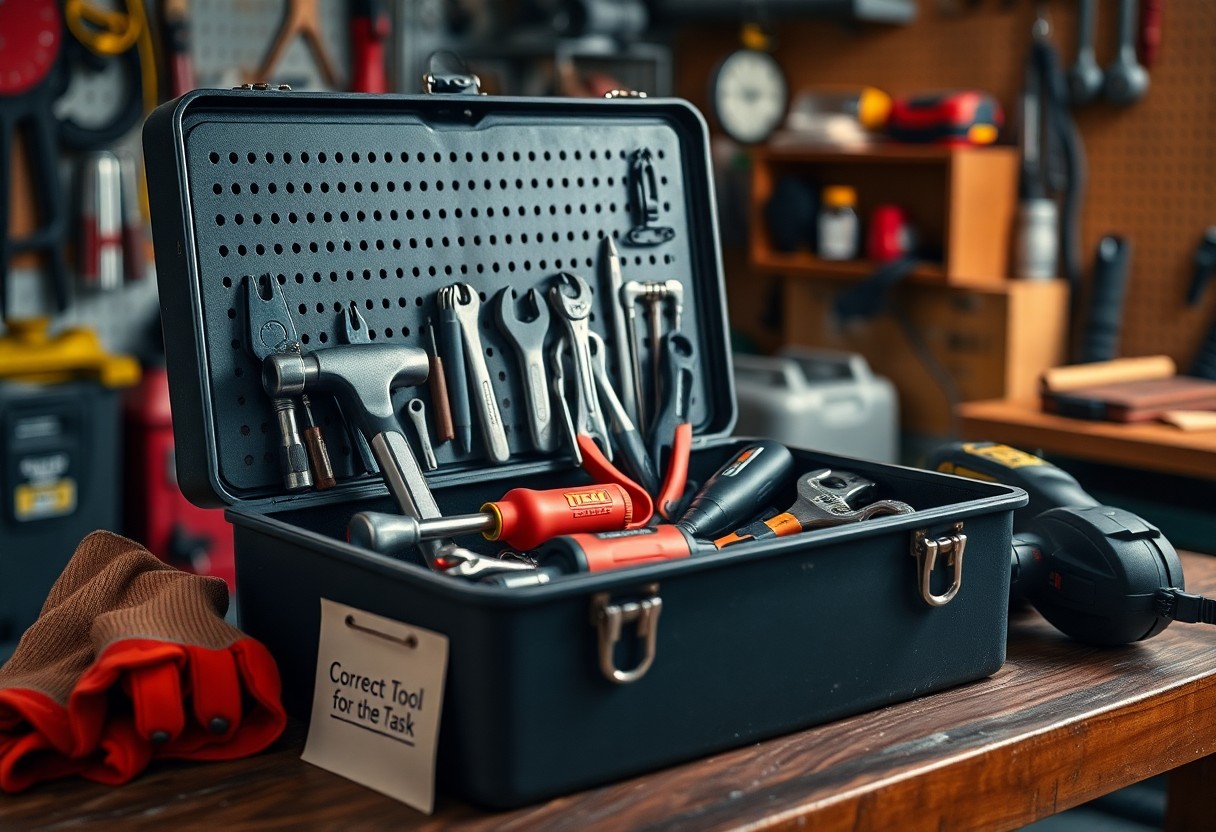
Many professionals overlook the significance of selecting the appropriate tool for each task, which can lead to decreased efficiency and increased risk. Using the right tool not only enhances your productivity but also ensures your safety on the job. By understanding the specific requirements of the task at hand, you can minimize errors and accidents, making informed choices that align with best practices in tool usage. Prioritize tool selection to improve your overall performance and maintain a safe working environment.
Key Takeaways:
- Using the appropriate tool enhances efficiency and productivity in tasks.
- Incorrect tool selection can lead to accidents and damage to tools or materials.
- Always assess the specific requirements of the task before choosing a tool.
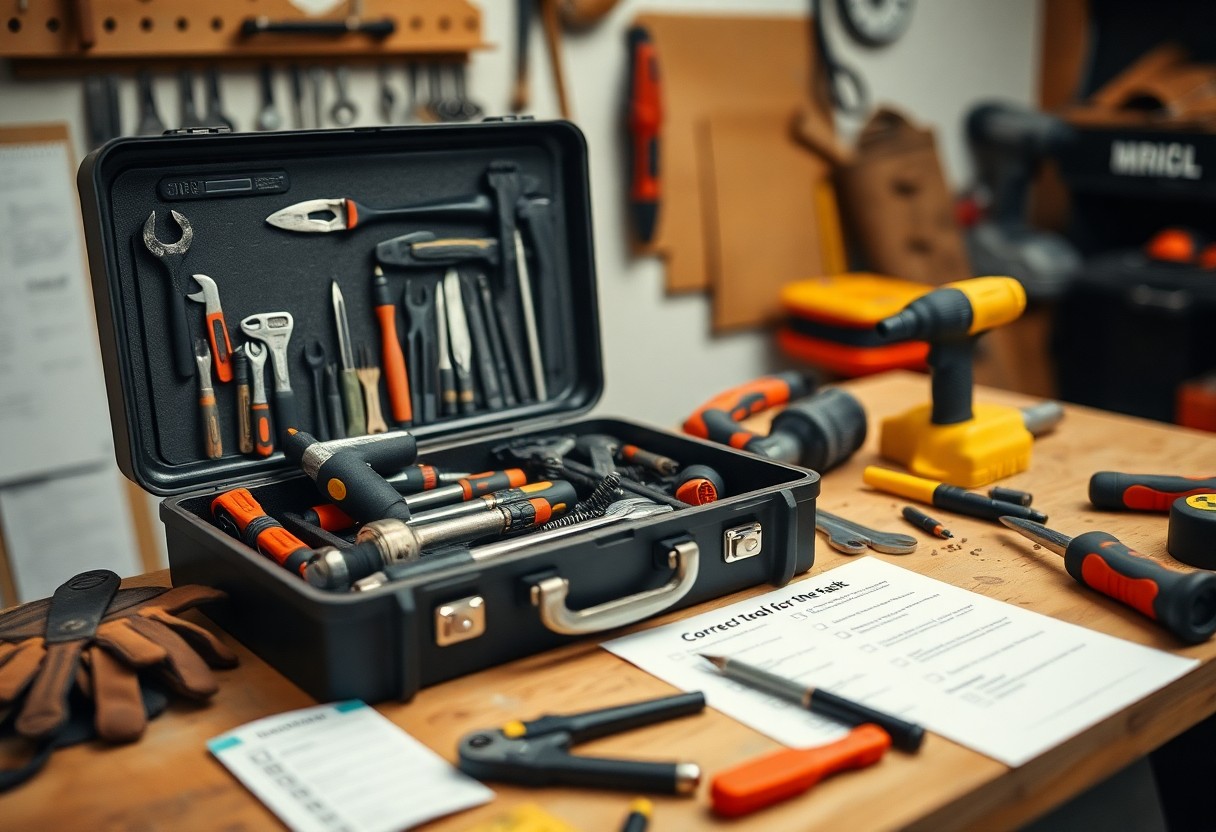
Importance of Tool Selection
Your choice of tools can significantly impact not only the outcome of your work but also your safety and efficiency. Selecting the correct tool for a specific task can mean the difference between a job well done and one that leads to accidents, injuries, or inefficiencies. According to the Bureau of Labor Statistics, improper tool use has been linked to over 30,000 workplace injuries annually. Ensuring you have the right tool not only enhances productivity but also minimizes risk, making it a top priority in any work environment.
Moreover, understanding the implications of incorrect tool selection extends beyond just personal safety; it affects the overall quality of work. Using the wrong tool can damage the materials you are working with, resulting in costly repairs and delays. Think about a carpenter using a hammer instead of a mallet; the end product may not only be of poor quality but could also pose a safety hazard. Clear comprehension of the tool’s appropriateness for the task is foundational to maintaining safety standards and achieving quality results.
The Role of Safety in Tool Choice
Selecting the right tool is fundamental to maintaining a safe work environment. Tools not designed for specific jobs can lead to misuse, increasing the likelihood of accidents. For example, using a file with a handle that’s too short can induce poor grip and control, escalating the risk of injury to your hands. In many industries, the right tools are engineered with specific safety features—such as guards, safety shut-offs, and ergonomic designs—that prevent injuries. By actively choosing tools that prioritize safety, you create an environment where you and your colleagues can work with confidence.
Furthermore, understanding safety ratings and recommendations for specific tools can provide guidance on what to use for various tasks. For instance, tools like torque wrenches, which come with recommended load capacities, ensure that you handle equipment safely without exceeding limits that could lead to equipment failure or personal injury. Prioritizing equipment that has undergone rigorous safety testing signifies your commitment to a secure workplace.
Understanding Task Requirements
Accurately assessing the requirements of a job is necessary for selecting the proper tools. Before you begin a task, evaluate what needs to be done—considering the materials, technical specifications, and the desired outcome. For example, if you’re cutting metal, a specialized metal-cutting saw is a better option than a standard wood-cutting saw. This not only ensures efficiency but also guarantees precision in your work.
In addition to material type, understanding the intricacies of the task can guide your tool selection. If you need to work in a confined space, compact tools or multi-tools can save you time and enhance maneuverability. Alternatively, a task that requires high precision might call for specialized tools like calipers or laser levels. Evaluate each aspect of the task to ensure your tool selections align with what is needed for a successful execution. A thorough assessment can prevent the pitfalls of using inadequate or inappropriate tools, which can compromise the quality and safety of your work.
Types of Tools and Their Uses
Understanding the different types of tools and their specific applications allows you to select the right one for the task at hand. Misusing tools can result in inefficiencies or dangerous situations. Below is a breakdown of common categories of tools and their uses:
| Type of Tool | Typical Uses |
| Hand Tools | Basic construction and repair tasks |
| Power Tools | Complex or heavy-duty tasks requiring speed |
| Garden Tools | Maintaining and cultivating outdoor spaces |
| Measuring Tools | Ensuring precision in dimensions and layouts |
| Specialty Tools | Tasks requiring specific functions like plumbing |
Your choice between using hand tools and power tools will significantly affect the outcome of your work. Each category offers distinctive benefits, depending on the nature of the task. Choosing the correct tool ensures you’re not only efficient but also maintaining safety standards on the job site.
Hand Tools
Hand tools are designed for manual operation, making them indispensable for a variety of tasks. Common examples include hammers, screwdrivers, wrenches, and pliers. These tools allow for greater control and precision, particularly in delicate work or tight spaces. For instance, when assembling furniture or fixing minor repairs, hand tools can often do the job more effectively than their power counterparts.
The maintenance of hand tools is paramount; a well-cared-for tool improves performance and longevity. Regularly inspect your hand tools for wear and ensure they’re clean and free of rust. Proper storage will also help you keep them in prime condition. Using dull or damaged tools not only compromises your efficiency but can also lead to accidents.
Power Tools
Power tools, powered by electricity, batteries, or compressed air, significantly increase your productivity by speeding up tasks that would take much longer with hand tools. Examples include drills, circular saws, and sanders. They are indispensable for heavier tasks, such as cutting through hard materials or assembling large structures quickly. By using power tools, you can accomplish complex jobs with high levels of accuracy and consistency, which is especially important in professional settings.
Safety is a prime concern when operating power tools. Always ensure you have the proper safety gear, such as goggles and gloves, before beginning any task. Understanding the specific operating procedures for each tool increases your efficiency—read the manual, attend training sessions if available, and adhere strictly to safety guidelines. The power provided by these tools makes them effective but also necessitates a deep respect for the potential risks involved in their use.
In terms of capabilities, power tools offer variable speed settings and advanced features that allow you to adapt to various materials and tasks. Utilizing the proper attachments can also enhance their versatility, making them even more valuable across different projects. The ability to switch between different modes or settings can dramatically improve accuracy and effectiveness, ensuring top-quality results in your work.
Assessing Tool Condition
Regular Inspections
To ensure your tools are always in optimal condition, conduct regular inspections before you start any task. Look for signs of wear, such as rust, cracks, or damaged handles, which can lead to accidents if left unchecked. Establish a routine that includes visual checks and operational tests; for instance, if you’re using power tools, make sure they start smoothly and operate as expected. There’s a valuable resource available for further guidance on safe tool use, including a detailed overview of hand tools, at Weekly Safety Meeting – Using Hand Tools Safely.
Maintenance Best Practices
Proper maintenance is necessary to prolonging the life of your tools and ensuring safety during use. Create a maintenance schedule that includes cleaning, lubricating moving parts, and storing tools in appropriate conditions to prevent deterioration. For example, a well-oiled saw will perform better and reduce the risk of kickback, a common hazard. Documenting your maintenance practices can also help identify recurring issues, allowing for timely interventions.
In addition to regular cleaning and lubrication, inspecting power cords for frays and ensuring safety guards are in place are key elements of tool care. Each type of tool may have specific maintenance requirements, so refer to the manufacturer’s guidelines as a starting point. By prioritizing these practices, you enhance not only your tool performance but also your overall safety and efficiency on the job site.
Training and Knowledge
Tool Handling Training
Tool handling training is vital for ensuring that you use tools safely and effectively. This training should cover not only how to operate the tools but also how to recognize their limitations and the potential hazards. For example, if you are handling power tools, you should learn the correct techniques to minimize risk, such as using proper personal protective equipment (PPE) and understanding the tool’s specific safety features. By participating in structured training sessions and hands-on workshops, you enhance your skills and confidence, which directly impacts productivity and safety on the job site.
Your training program should also include real-world scenarios and troubleshooting strategies. This helps you to develop critical thinking skills related to tool use. For instance, if you frequently work with woodworking tools, engaging in simulations of common issues, like blade jams or misalignments, prepares you to respond effectively when they occur in practice.
Staying Updated on New Tools
Staying informed about the latest tools and innovations in your industry is vital for maintaining efficiency and safety. New tools often come with enhanced safety features, improved ergonomics, and greater efficiency that can make a significant difference in your work. Regularly engaging in industry webinars, trade shows, and manufacturer training can expose you to the latest advancements. For example, attending a tool expo can provide insights into new technology, materials, and best practices that directly apply to your daily tasks.
Investing time to learn about new tools not only enhances your knowledge base but also positions you as a resource for your colleagues. You can create an environment where knowledge sharing becomes the norm, leading to collective improvement in safety and productivity. By implementing new tools and practices early, you can also gain a competitive edge in your work, improving outcomes for both yourself and your team.
Common Mistakes in Tool Selection
Using Improper Tools
When you resort to using improper tools, you not only compromise the quality of your work but also put yourself at risk of injury. For example, using a wrench instead of a ratchet can strip bolts and lead to potential equipment failure. Furthermore, using a screwdriver as a chisel can result in broken tools and serious accidents. It’s important to recognize the specific requirements of a task and align them with the right tool. Failure to do so often leads to inefficiency and frustrating setbacks.
Your choice of tool must fit the specific job at hand, which includes considering the size, shape, and operational capacity of the tool. Misapplication can lead to damaging both the tool and the materials you’re working with, driving costs up and extending project timelines. In addition, using the wrong tool can mentally affect your workflow, leading to a lack of confidence in your abilities and increasing stress. You should aim for tools that match the demands of the task to enhance both safety and productivity.
Ignoring Manufacturer Guidelines
Manufacturer guidelines exist to provide vital information about the safe and effective use of tools. Overlooking these guidelines can lead to serious mishaps. For instance, if you disregard the specified torque settings on a power tool, you risk both damage to the tool and potential injuries during operation. Often, manufacturers also include recommendations on compatible accessories and maintenance schedules, which, if ignored, can reduce the lifespan and efficiency of the tools.
Tools are engineered with specific functions in mind, and ignoring manufacturer guidelines can dramatically increase the potential for accidents. Guidelines typically encompass more than just technical specifications; they often include insights about handling techniques and safety precautions that are easily overlooked. Keeping these recommendations in mind will not only help you utilize your tools effectively but will also promote a safer work environment.
Best Practices for Tool Usage
Following Safety Protocols
Using tools safely requires strict adherence to safety protocols that are often outlined in user manuals or training sessions. Always don personal protective equipment (PPE) appropriate for the job, such as gloves, goggles, and ear protection. Be aware of your surroundings and ensure that your workspace is clear of hazards. For instance, you should not use power tools near wet surfaces or in environments with flammable materials, as this can lead to accidents or injuries.
Additionally, familiarize yourself with emergency procedures specific to tool usage. This includes knowing how to shut down machines swiftly in case of malfunction. Safety talks and training sessions can reinforce these protocols, so participate actively and encourage your colleagues to do the same. Daily checks of tools and equipment not only keep you safe but also enhance your overall productivity.
Proper Storage and Care
Proper storage and care of tools contribute significantly to their lifespan and effectiveness. After each use, clean your tools to remove any dirt, debris, or residues that could cause damage over time. Store tools in a designated area, such as a toolbox or pegboard, ensuring that everything is organized and easily accessible. Avoid leaving tools out in wet or unprotected locations, as moisture can lead to rust and deterioration.
Implementing a regular maintenance schedule will further extend the life of your tools. Check for signs of wear and tear, and replace broken or dull parts promptly. For example, sharpening blades and lubricating moving parts can enhance performance and make your work safer. Documenting maintenance activities can help track the condition of your tools, ensuring they remain reliable when you need them.
Summing up
Hence, selecting the correct tool for each task is important for ensuring both your safety and the efficiency of your work. By evaluating the job requirements and choosing the appropriate tool, you reduce the risk of accidents and injuries while enhancing productivity. Always keep in mind that using the right tool mitigates unnecessary strain and improves the quality of your output.
Moreover, familiarizing yourself with the tools available and understanding their specific purposes allows you to approach tasks with confidence. By prioritizing proper tool selection, you not only protect yourself but also set a standard for best practices in your work environment. This commitment to safety and efficiency will ultimately benefit you and your team in achieving optimal results.
FAQ
Q: Why is tool selection important for safety?
A: Using the correct tool for a specific task minimizes the risk of accidents and injuries. It ensures that tasks can be completed efficiently and according to safety standards, reducing the likelihood of equipment failure or misuse.
Q: What factors should be considered when selecting a tool?
A: Key factors include the nature of the task, the material being worked on, the tool’s ergonomic design, the level of skill required, and the manufacturer’s guidelines. Assessing these factors helps to choose the most appropriate tool for safety and effectiveness.
Q: What are the risks of using the wrong tool for a job?
A: Using the wrong tool can lead to increased injury risk, equipment damage, and inefficient work processes. Common issues include tool breakage, inability to complete the task, and the potential for accidents that could harm the user or others nearby.
Leave a Reply