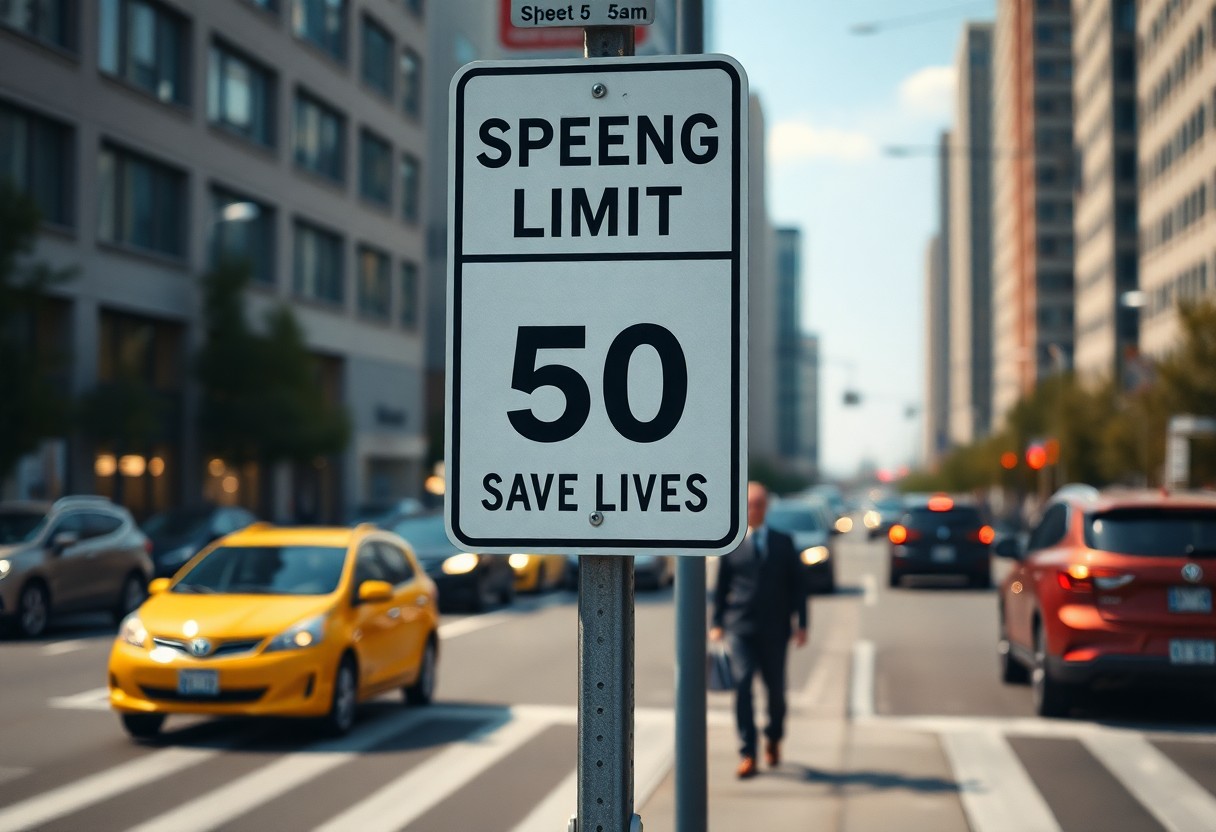
Over 10,000 fatalities each year are attributed to speeding, making it one of the most significant threats on the road. You may feel in control while racing ahead, but exceeding the speed limit dramatically increases your likelihood of collisions and severe injuries. Your simple decision to obey speed limits can not only save your life but also protect other drivers, pedestrians, and passengers. Slowing down is a powerful choice that reinforces safety and promotes a culture of responsible driving. It’s time to prioritize lives over speed—your actions matter.
Key Takeaways:
- Speeding significantly increases the likelihood of accidents and fatalities.
- Adhering to speed limits enhances overall road safety for all users.
- Slowing down allows for better reaction times and decision-making on the road.
The Dangers of Speeding
Statistics on Speed-Related Accidents
In the United States, speeding contributes to nearly 30% of all traffic fatalities. According to the National Highway Traffic Safety Administration (NHTSA), in 2020 alone, over 11,000 lives were lost in crashes where speeding played a role. These numbers underscore the stark reality that the faster you drive, the greater the risk not just to yourself but also to other road users.
Globally, the World Health Organization estimates that speeding results in about 1.3 million deaths each year. In urban settings, the risk of severe injury or fatality increases dramatically as speed limits are designed with safety in mind. Driving just a few miles per hour over these limits can significantly increase the probability of a crash while also magnifying the consequences.
Impact on Reaction Times
Your ability to react quickly to sudden changes on the road diminishes with increased speed. At higher velocities, even a brief moment of distraction can turn into a devastating accident. Research indicates that for every additional mile per hour you exceed the speed limit, your chances of needing to brake in a critical moment are reduced, giving you less time to avoid an obstacle or respond to unexpected behavior from other drivers.
An average driver requires about 1.5 seconds to react to obstacles while driving. If you’re traveling at 55 mph, you cover about 120 feet per second. This means that at such speeds, taking your eyes off the road for just a second can lead to a collision before you even have time to respond. The faster you go, the larger the distance you cover without being able to brake, increasing the likelihood of injury.
Legal Implications of Speeding
Traffic Laws and Penalties
Each state has its own traffic laws that dictate speed limits on various types of roads. Generally, exceeding the speed limit can result in fines, points on your license, and potentially increased insurance rates. For instance, if you are caught driving 15 mph over the limit, you might face a fine that could range anywhere from $100 to $300.
In more serious cases, such as driving at excessive speeds in a construction zone, penalties can double, including fines upwards of $500. Additionally, accumulating points can lead to license suspension, and chronic offenders may find themselves facing more stringent legal actions.
Consequences of Reckless Driving
Engaging in reckless driving, which frequently goes hand-in-hand with speeding, carries severe legal repercussions. Depending on the jurisdiction, reckless driving can be classified as a misdemeanor or felony, significantly impacting your future. For instance, a conviction could result in hefty fines, mandatory traffic school, or even jail time.
Beyond immediate legal consequences, the implications of reckless driving extend to your driving record, making it harder to obtain affordable insurance or even prevent you from qualifying for certain jobs that require a valid license. Being labeled a reckless driver can affect your reputation and future financial stability.
Moreover, the potential for increased liability in the event of an accident is stark. If you are involved in a crash while speeding or driving recklessly, not only could you face criminal charges, but you could also be found liable for substantial damages, leading to substantial financial burdens. Your actions on the road could not just cost you in fines but also put you at risk of paying for medical bills and property damages resulting from the incident.
Benefits of Adhering to Speed Limits
Enhanced Safety for All Road Users
By adhering to speed limits, you significantly increase safety for yourself and others on the road. For instance, a vehicle traveling at 30 mph has a 50% lower chance of being involved in a fatal collision compared to one traveling at 40 mph. This reduction in speed affords you more time to react to unexpected hazards, such as pedestrians crossing or vehicles making sudden stops. Each mile per hour you reduce your speed equates to enhancing your reaction time, allowing for a safer driving environment.
Moreover, lower speeds contribute to a more predictable driving experience, especially in urban areas. When vehicles move at safe speeds, it becomes easier for cyclists and pedestrians to navigate streets. Statistically, over 30% of pedestrian fatalities involve vehicles exceeding 30 mph, reinforcing the importance of speed limits not just for motorists, but for everyone sharing the road.
Environmental Impact
Adhering to speed limits can substantially lessen your vehicle’s environmental footprint. Vehicles tend to achieve optimal fuel efficiency at lower speeds; for every 5 mph over 50 mph, you can expect a decrease in fuel efficiency by 10% or more. By driving within speed limits, you not only conserve fuel but also contribute to reducing greenhouse gas emissions, which, according to the EPA, account for nearly 29% of total U.S. greenhouse gas emissions.
Additionally, the cumulative effect of many drivers following speed limits results in less overall air pollution. For example, cities that implement stricter speed regulations often see a measurable decrease in harmful emissions, demonstrating how your individual choices contribute to broader community health and environmental quality.
Furthermore, lower speeds directly lead to a reduction in noise pollution, which is vital for urban quality of life. According to studies, traffic noise levels drop significantly when vehicles are operated under speed limits, promoting a more serene environment for residents. This has profound implications for urban areas, where excessive noise can impact mental health and overall well-being.
Tips for Safe Driving
To ensure safety on the road, you must stay vigilant and engage in practices that promote defensive driving. Here are some important tips to incorporate into your routine:
- Always adhere to the posted speed limits.
- Utilize your turn signals when changing lanes or making turns.
- Maintain a safe following distance to allow for unexpected stops.
- Stay alert and avoid distractions, such as mobile phones.
- Adjust your speed according to road conditions and weather.
Thou should always prioritize safety over speed, as the consequences of speeding can be devastating, often affecting not just yourself but also other innocent road users.
Understanding Speed Limits
Speed limits are not arbitrary; they are set based on various factors such as road type, traffic patterns, and residential areas. Engaging with speed signs is vital, as these limits are designed to provide you with a safe driving experience. For instance, residential zones typically have lower speed limits to protect pedestrians, while highways allow for higher speeds, but still within safe margins. Stay informed about any changes in speed limits, which can occur due to construction or road work.
Another important aspect is understanding that speed limits are set under optimal conditions. Factors like inclement weather or heavy traffic require you to adjust your speed accordingly. If you’re unsure of the speed limit, it’s better to err on the side of caution and keep your speed lower until you find clearer guidance, as this can significantly enhance safety.
Techniques for Maintaining Control
Maintaining control of your vehicle is important for safe driving. This involves using both your steering skills and your awareness of the driving environment. Always keep a firm grip on the steering wheel and be prepared to respond to sudden changes in traffic or road conditions. A good technique is to practice steering with both hands positioned at the 9 and 3 o’clock positions, which offers better control during emergency maneuvers.
Additionally, frequently scanning your surroundings is key to maintaining control. Keeping your eyes moving allows you to anticipate hazards. Look farther ahead, and make note of any potential risks such as pedestrians, cyclists, or vehicles emerging from side streets. By understanding the dynamics of your surroundings, you can make better decisions and maintain a safer driving experience.
Practicing these techniques not only enhances your skills but also instills a sense of confidence while driving. Implement methods like using gradual steering inputs instead of sudden jerks and adjusting your speed to closely follow the road curvature. By employing these strategies effectively, you will greatly reduce the chances of losing control in critical situations.
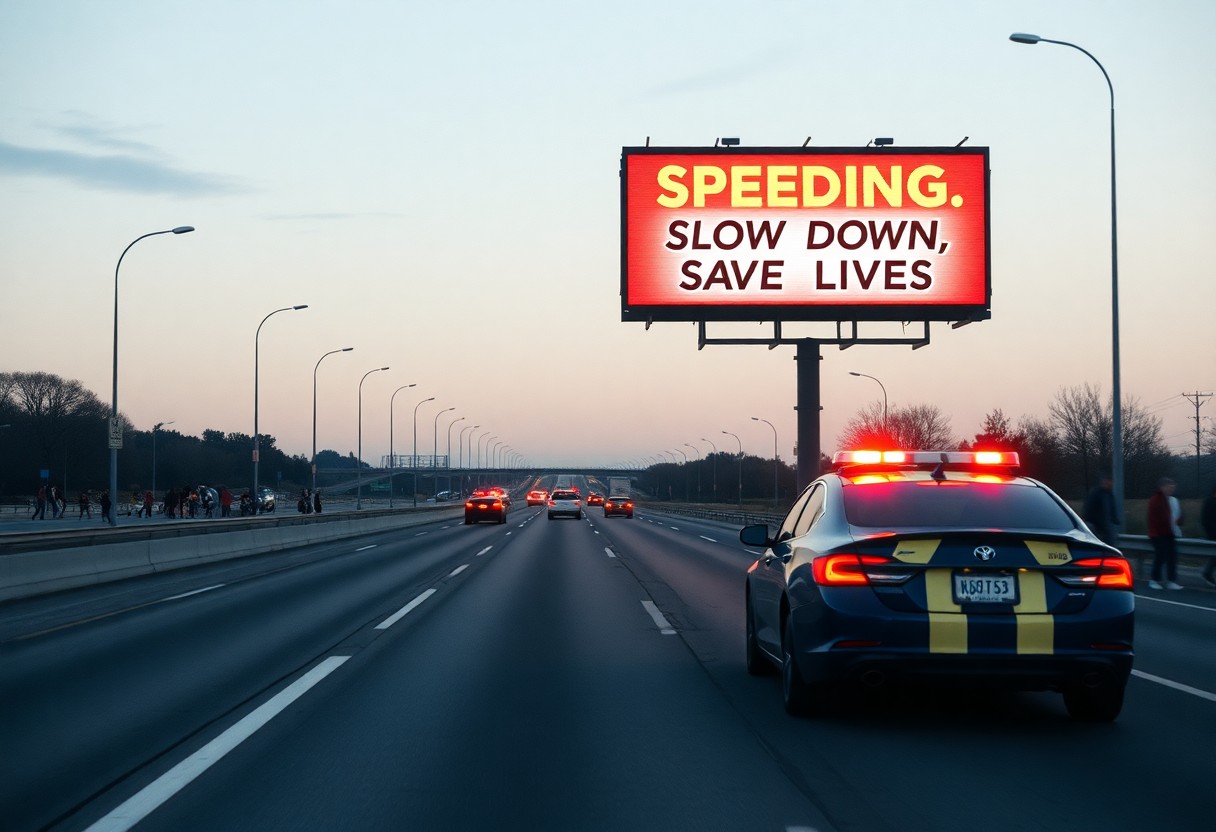
For more insights on the importance of speed management, check the resource titled Slowing Down Saves Lives.
Community Awareness and Education
Campaigns Against Speeding
Your community can greatly benefit from dedicated campaigns aimed at reducing speeding incidents. Local organizations often launch initiatives that combine educational materials, engaging community events, and signage to encourage compliance with speed limits. For instance, a recent campaign in Springfield led to a 20% reduction in speeding violations over a six-month period, showcasing the effectiveness of sustained community effort. Participants learn about the consequences of speeding through real-life stories and statistics, which tend to resonate on a personal level, making it more impactful.
Moreover, social media plays a significant role in spreading awareness about speeding dangers. Campaigns that utilize platforms like Facebook and Instagram can reach a wider audience, highlighting the emotional stories of accident victims alongside graphical depictions of speed-related consequences. Sharing informative graphics and videos can initiate conversations and prompt behavioral change, thus fostering a culture of safety on the roads.
Role of Local Authorities
Local authorities have a vital responsibility in maintaining road safety and can implement various strategies to combat speeding. This includes increasing the frequency of speed enforcement operations and utilizing technology such as automated speed cameras. In a notable case in Lakeview, a strategic increase in police presence during high-traffic hours reduced speeding incidents by 15%. These measures not only deter speeding but also promote a sense of security among residents.
Additionally, authorities can work to enhance road infrastructure by placing speed bumps, implementing speed limit signage, and establishing safe crossings for pedestrians. Collaborating with community stakeholders ensures that these efforts address specific local issues while reinforcing the message that speeding is unacceptable. Successful programs often engage drivers through positive reinforcement, such as rewards for safe driving behaviors, creating a supportive environment for compliance.
The role of local authorities extends beyond enforcement; they also engage communities through educational workshops and public forums. These sessions allow residents to voice their concerns and receive practical safety tips, forming a partnership dedicated to reducing speeding together. Cultivating open communication channels further empowers citizens to take part in monitoring and improving road safety in their neighborhoods.
Technological Advances in Speed Management
Speed Limiters and Alerts
Modern vehicles increasingly come equipped with speed limiters that allow you to set a maximum speed, ensuring you don’t exceed local limits. These systems can be adjusted according to your driving conditions or preferences, providing a practical solution to help maintain safe speeds. Additionally, many of these vehicles are integrated with alert systems that give you a heads-up when you approach speed limits, reducing the chances of inadvertent speeding.
In urban environments, where speed regulations are often more stringent, such technology can be particularly beneficial. Studies indicate that areas equipped with speed limiters on public transportation have seen a 30% reduction in speeding incidents. This not only contributes to safer streets but also encourages a culture of responsible driving among all road users.
Role of AI in Speed Monitoring
Artificial Intelligence has significantly transformed speed monitoring practices by enabling real-time data analysis. With AI, you can leverage advanced algorithms to detect speeding behaviors through constant road surveillance, enhancing the efficacy of speed enforcement measures. Many municipalities are now deploying AI-operated traffic cameras that automatically issue fines to vehicles exceeding speed limits, ensuring compliance without requiring constant police presence.
Moreover, AI systems can analyze traffic patterns and predict potential speed-related incidents. By identifying hotspots for speeding, these technologies allow you and local authorities to focus resources where they are most needed. As AI continues to advance, systems will not only track speed but can also adapt recommended speed limits based on real-time traffic conditions, weather, and roadworks, making your driving experience safer and more efficient.
The integration of AI technology into speed monitoring does not just rely on standard surveillance; it can also incorporate data from various sources, including GPS and social media. This multi-faceted approach means you receive timely alerts about speed changes due to sudden traffic disruptions or road conditions, ultimately enhancing safety for all road users. By adopting such smart technologies, you contribute to a comprehensive strategy for accident prevention and improved road safety.
Summing up
Upon reflecting, you must understand that speeding poses significant risks not only to yourself but also to others on the road. By slowing down, you contribute to a safer driving environment, reducing the likelihood of accidents and serious injuries. Your choice to obey speed limits encourages responsible driving and sets an example for others, creating a community that values safety.
Your actions behind the wheel have immediate consequences. By prioritizing safe driving practices, you can play a vital role in saving lives. When you choose to slow down, you enhance your ability to react to unexpected situations, ensuring that everyone gets to their destination safely. The small sacrifice of adjusting your speed can lead to lasting positive impacts on the lives of those around you.
FAQ
Q: What is the significance of speeding in road safety?
A: Speeding is a major factor in traffic accidents, leading to severe injuries and fatalities. Higher speeds reduce the driver’s ability to react quickly and increase the severity of collisions, making it necessary to adhere to speed limits to enhance safety.
Q: How can I contribute to reducing speeding in my community?
A: You can contribute by setting a good example for other drivers, reporting dangerous driving behaviors, and participating in community awareness campaigns about the dangers of speeding. Additionally, advocating for improved road signage and traffic calming measures helps promote safer driving practices.
Q: What are the legal consequences of speeding?
A: Legal consequences for speeding may include fines, points on your driving record, increased insurance premiums, and, in severe cases, license suspension. In the event of an accident caused by speeding, there may also be civil liabilities for damages and injuries incurred.
Leave a Reply