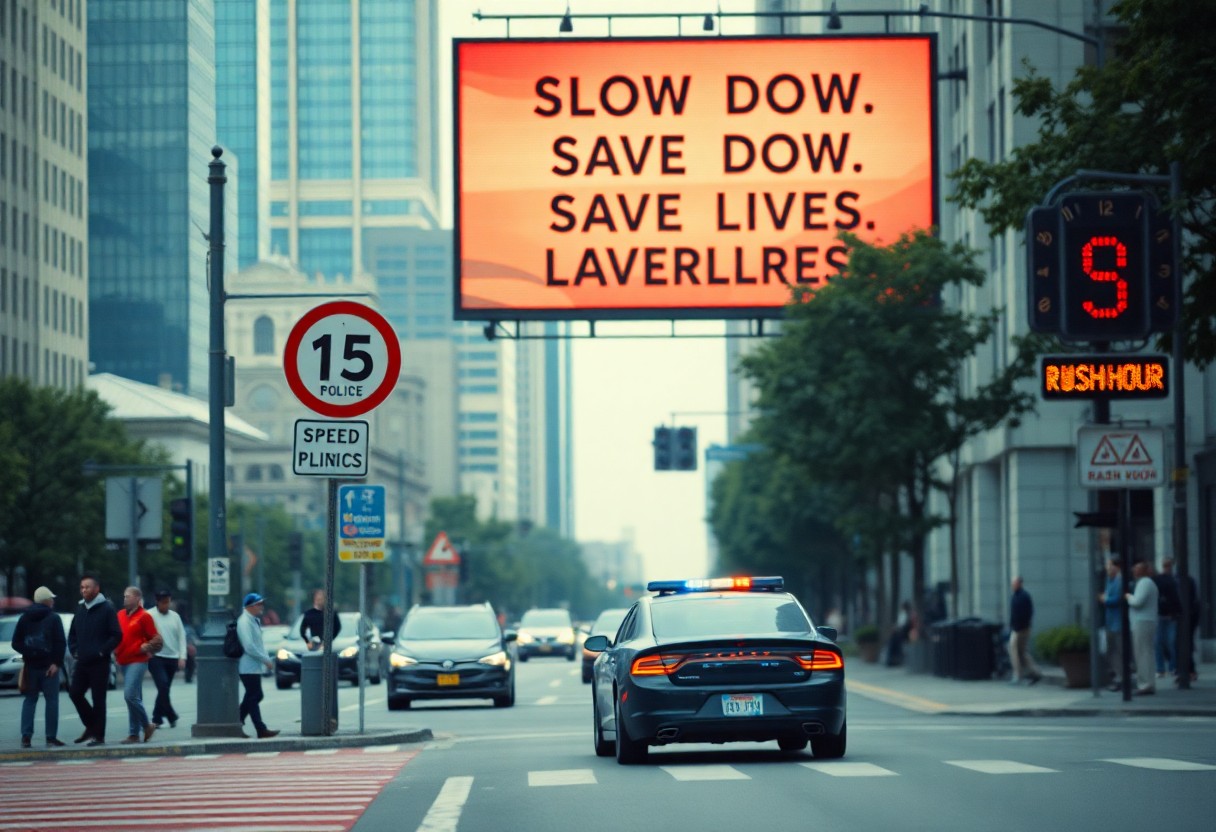
Many drivers underestimate the dangers of speeding, believing they can handle the extra speed without consequence. However, higher speeds significantly reduce your ability to react to sudden obstacles and increase the severity of accidents. By slowing down, you not only enhance your safety but also protect the lives of others on the road. Understanding speed limits and adhering to them is necessary for fostering a safer driving environment for everyone. Prioritize caution; it’s a small adjustment that can lead to remarkable outcomes.
Key Takeaways:
- Excessive speed significantly increases the likelihood of accidents and their severity.
- Reducing speed enhances reaction time, allowing drivers to avoid potential hazards.
- Adhering to speed limits contributes to the overall safety of all road users, including pedestrians and cyclists.
The Importance of Speed Limits
Understanding Speed Limits
Speed limits are designed to keep you and others on the road safe. Set by local authorities based on road type, traffic conditions, and surrounding environment, these limits are not arbitrary. For instance, residential areas often have lower speed limits, typically around 25-30 mph, to protect pedestrians, especially children. In contrast, highways allow for higher speeds due to their construction and intended traffic flow. Knowing these limits helps you navigate safely and avoid potential hazards.
When you exceed posted speed limits, you not only risk heavy fines but also increase your chances of being involved in severe accidents. Research indicates that for every 1 mph increase in speed, the risk of a crash doubles. By adhering to speed limits, you maintain control and significantly reduce the time and space needed to stop safely in an emergency.
The Role of Speed Limits in Traffic Safety
Speed limits play a vital role in creating a predictable driving environment. They help manage the flow of traffic, ensuring that vehicles coexist safely on shared roads. When you stick to these limits, you contribute to a more orderly flow, minimizing sudden stops and starts that lead to collisions. Moreover, speed limits are closely tied to the design of the road; understanding this helps you appreciate why certain areas have specific restrictions.
In many regions, data shows that areas with strictly enforced speed limits experience lower accident rates. For example, states that have implemented speed cameras have seen a reduction in speeding violations and associated crashes. This evidence highlights the effectiveness of speed limits in safeguarding lives, including your own.
Moreover, speed limits serve as a reminder for you to assess your driving behavior and the conditions around you. Speeding not only endangers your safety but also increases risks for other road users. Therefore, adhering to the limits is crucial for fostering a safer driving culture and protecting everyone on the road.
Consequences of Speeding
Increased Risk of Accidents
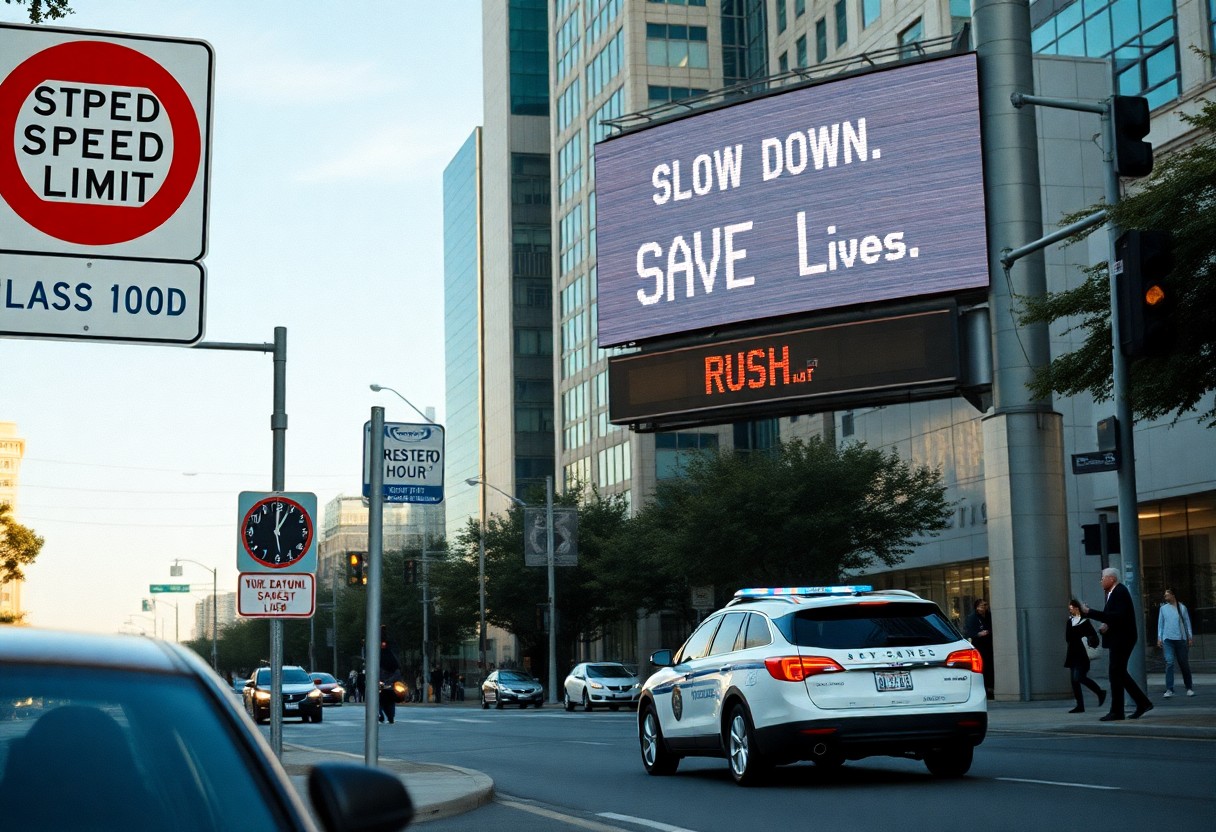
Speeding drastically elevates your chances of being involved in an accident. For every mile per hour you exceed the speed limit, your likelihood of crashing increases significantly. A study by the National Highway Traffic Safety Administration (NHTSA) reveals that speeding contributes to nearly a third of all traffic fatalities. You may not be aware, but even a small increase in speed can lead to a greater impact force during a collision, escalating the potential for severe injuries or fatalities for you and anyone else involved.
Your reaction time is compromised at higher speeds, making it harder to respond to sudden changes in traffic conditions. If a child darts into the street or if a car in front of you suddenly brakes, your ability to react quickly diminishes as speed increases, leading to devastating consequences. The risk of losing control of your vehicle also escalates, particularly on curves or wet roads where traction is limited.
Legal and Financial Repercussions
The legal ramifications of speeding can be significant, ranging from hefty fines to points on your driving record. Getting caught exceeding the speed limit can result in citations that not only affect your ability to drive legally but also increase your insurance premiums. In some jurisdictions, excessive speeding can lead to misdemeanor charges, especially if it involves reckless driving behaviors. Not only do you face the immediate consequences of the ticket, but you may also be subject to increased scrutiny from law enforcement in the future.
On the financial side, a single speeding violation can lead to hundreds of dollars in fines, but the costs don’t stop there. Higher insurance premiums following a speeding ticket can accumulate over the years, costing you thousands of dollars. Additionally, if speeding leads to an accident, the financial burden can escalate through medical expenses, vehicle repairs, and potential liability claims that could devastate your finances.
Legal and financial repercussions worsen with repeat offenses, leading to potential license suspension or mandatory attendance at driving school. A history of speeding can make you a target for law enforcement, prompting more frequent traffic stops, and heightening the risk of escalating fines or legal troubles as you continue to disregard speed limits. As your record accumulates violations, you not only endanger your well-being but also compromise your financial future.
Factors Contributing to Speeding
Speeding is influenced by a multitude of factors that extend beyond mere impatience. This behavior can stem from a mix of psychological, social, and environmental elements that create a perfect storm for reckless driving. Understanding these contributors can play a vital role in addressing and mitigating speeding on the roads.
- Driver perception of time pressure
- Peer influence and social norms
- Lack of knowledge about speed limits
- Driving training and education inadequacies
Any of these factors can lead to a mindset that prioritizes speed over safety, increasing the risk of accidents.
Driver Behavior and Attitudes
Your behaviors and attitudes behind the wheel are critical in the context of speeding. Many drivers exhibit overconfidence in their abilities, believing they can manage higher speeds without consequences. This attitude is often amplified by experiences where they have “gotten away” with speeding in the past, reinforcing a dangerous cycle of risk-taking.
Additionally, the immediate thrill or adrenaline rush associated with speeding can cloud your judgment. Research has shown that psychological factors such as sensation seeking can lead to reckless driving behavior, making it crucial to evaluate your attitudes about speed and the risks involved.
Environmental Influences
The surroundings in which you drive can significantly impact your tendency to speed. Factors such as road design, traffic density, and weather conditions all contribute to your driving experience. For instance, roads that appear wide and clear may create an illusion of safety, prompting you to drive faster than advisable. Conversely, heavy traffic can create frustration and lead to speed-related impatience.
Moreover, road environments that lack proper signage or clear speed limits can contribute to confusion and force you into higher speeds as you navigate. Studies have shown that certain road characteristics, such as fewer intersections and more lanes, are associated with higher average speeds, which emphasizes the need for road design that promotes safe driving behaviors.
Strategies to Combat Speeding
Education and Awareness Campaigns
Your community can greatly benefit from education and awareness campaigns that highlight the dangers of speeding. These initiatives often include workshops, social media outreach, and school programs that illustrate the impact of speed on accidents and fatalities. By using statistics, such as the fact that speeding increases the likelihood of severe injuries by 50%, you can make a compelling case to your peers about the importance of adhering to speed limits.
An effective campaign might also feature real-life testimonials from accident survivors or families affected by speed-related incidents. These stories have the power to foster empathy and provoke introspection about personal driving habits. As you engage in conversations about speeding, you may find that sharing information and resources not only enlightens others but also strengthens community ties around road safety.
Law Enforcement Measures
Stricter law enforcement measures are pivotal in curbing speeding on the roads. Increased presence of law enforcement, speed cameras, and radar speed signs can act as deterrents. Research shows that areas with active speed enforcement experience a 15% reduction in speeding violations. With regular patrols and visible ticketing, you serve as a reminder to other drivers that speeding comes with consequences.
Additionally, local authorities can implement “more visible enforcement” campaigns that focus on high-traffic areas known for speeding incidents. Using data from traffic studies, you can identify and target these problem spots. Consistent visibility of law enforcement not only promotes compliance but can shift public perception about the acceptability of speeding, leading to long-term behavior change.
Expanding law enforcement measures also entails community involvement, where citizens can report speeding through apps or hotlines. Engaging the public in monitoring traffic violations creates a collaborative environment focused on reducing speeding. When you and your neighbors collectively take responsibility, it fosters a safer atmosphere on the roads.
Technology in Traffic Safety
Speed Monitoring Systems
Speed monitoring systems are vital tools used by law enforcement and municipalities to deter speeding and enhance road safety. These systems employ radar, lasers, and cameras to detect vehicle speed, capturing data that can lead to fines or warnings for offenders. Your community may implement digital speed signs that flash the vehicle’s speed, providing instant feedback to drivers and prompting them to adjust their speed appropriately. Studies have shown that such feedback mechanisms can lower average speeds by 10%-15% in active zones.
Additionally, municipalities are increasingly investing in speed enforcement cameras, which can be placed at intersections or in school zones. The presence of these cameras has been linked to significant reductions in crash rates and speeding violations. Engaging with these technologies not only promotes compliance with speed limits but also serves as a critical part of your community’s strategy for preventing accidents and saving lives.
Advanced Driver Assistance Systems (ADAS)
ADAS features are designed to augment vehicle safety and enhance your driving experience. Systems such as adaptive cruise control and lane-keeping assist not only assist with maintaining legal speed limits but also help prevent accidents related to speeding. For instance, adaptive cruise control automatically adjusts your vehicle’s speed based on traffic conditions, allowing you to maintain a safe distance from other cars without exceeding speed limits.
Moreover, collision avoidance systems equipped with real-time data can alert you to potential hazards and even apply the brakes if necessary. This level of intervention not only helps in maintaining appropriate speeds but could drastically reduce the chances of fatal accidents. Implementing these systems in your vehicle is a proactive approach to enhance your safety and that of others on the road.
Key Features of ADAS and Their Impact
| Feature | Impact on Safety |
| Adaptive Cruise Control | Helps maintain safe distances, reducing tailgating and accidents. |
| Lane Departure Warning | Alerts drivers if they unintentionally drift out of lanes. |
| Collision Avoidance System | Prevents accidents by applying brakes automatically in critical situations. |
| Blind Spot Monitoring | Enhances situational awareness, thus reducing side-impact collisions. |
- Utilize adaptive cruise control to manage speed effortlessly.
- Activate lane assistance features for added security.
- Subscribe to updates for software improvements and new features.
By integrating these ADAS features into your driving routine, you not only prioritize your safety but also contribute to a culture that respects speed limits and road regulations. These systems significantly reduce the error margins of manual driving, providing you with peace of mind and supporting safer driving environments for all road users.
Benefits of ADAS Technologies
| Benefit | Explanation |
| Improved Safety Ratings | Vehicles equipped with ADAS often receive higher safety ratings from regulatory bodies. |
| Lower Insurance Premiums | Insurance companies may offer discounts for vehicles with advanced safety features. |
| Reduction in Driver Fatigue | Automated systems help reduce the mental strain associated with long drives. |
| Enhanced Resale Value | Vehicles with advanced technologies typically retain higher resale values. |
Community Involvement
Local Initiatives and Programs
Engaging your community in safety initiatives can significantly impact driving behaviors. Many cities have embraced programs that promote awareness about speed limits and safe driving through targeted campaigns. You can participate in local forums where community members discuss traffic safety, share experiences, and develop strategies to mitigate speeding in residential areas. For instance, the implementation of speed bumps, enhanced signage, and designated school zones has proven effective in slowing down traffic and protecting vulnerable pedestrians.
Your involvement in these initiatives can further encourage local law enforcement to enforce speed limits more rigorously. Collaborating with local schools and organizations on events like “Slow Down Saturday” can raise awareness and promote responsible driving. Additionally, these programs foster a sense of accountability and community spirit, urging everyone to look out for one another. You can learn more about effective strategies in the GUIDE FOR SAFE SPEEDS.
Encouraging Responsible Driving Behaviors
Encouraging responsible driving behaviors requires a multifaceted approach. Your role in advocating for safe speed practices can be amplified through social media campaigns and community workshops. Informing your peers about the consequences of speeding, such as increased crash risks and potential legal penalties, can foster a culture of safety. Sharing statistics, like the fact that a pedestrian hit at 30 mph has a 50% chance of survival, can change perceptions and motivate drivers to adhere to speed limits.
Moreover, you can create a peer accountability network by encouraging friends and family to commit to safe driving practices. Engaging in community discussions about the importance of speed limits not only educates but also empowers individuals to take ownership of their driving habits. Promoting positive stories of individuals who have impacted their communities through safe driving can inspire others to become advocates for speed safety.
Final Words
Taking this into account, it is necessary for you to understand the impact of speeding, not just on your safety but on the lives of others on the road. By choosing to slow down, you significantly reduce the risk of accidents and create a safer environment for everyone. Adjusting your speed can provide you with more time to react to unexpected situations, allowing you to make better driving decisions.
Your actions behind the wheel matter. Every time you choose to drive at a safe speed, you contribute to the well-being of your community and potentially save lives. Make a conscious effort to uphold speed limits and practice patience on the road. By doing so, you set a positive example for others and play a vital role in promoting safer driving habits for all.
FAQ
Q: Why is speeding dangerous?
A: Speeding increases the severity of accidents and reduces the driver’s ability to react to sudden obstacles. Higher speeds lead to longer stopping distances and greater impact forces during collisions.
Q: How does speeding affect reaction time?
A: Speeding decreases the time available for a driver to react to unforeseen hazards on the road. At higher speeds, even a fraction of a second can make a difference between avoiding an accident and crashing.
Q: What are the benefits of driving within speed limits?
A: Driving within speed limits enhances safety for all road users, reduces the likelihood of crashes, and can lead to decreased fuel consumption and lower wear on vehicles. Adhering to speed limits promotes a safer driving environment for everyone.
Leave a Reply