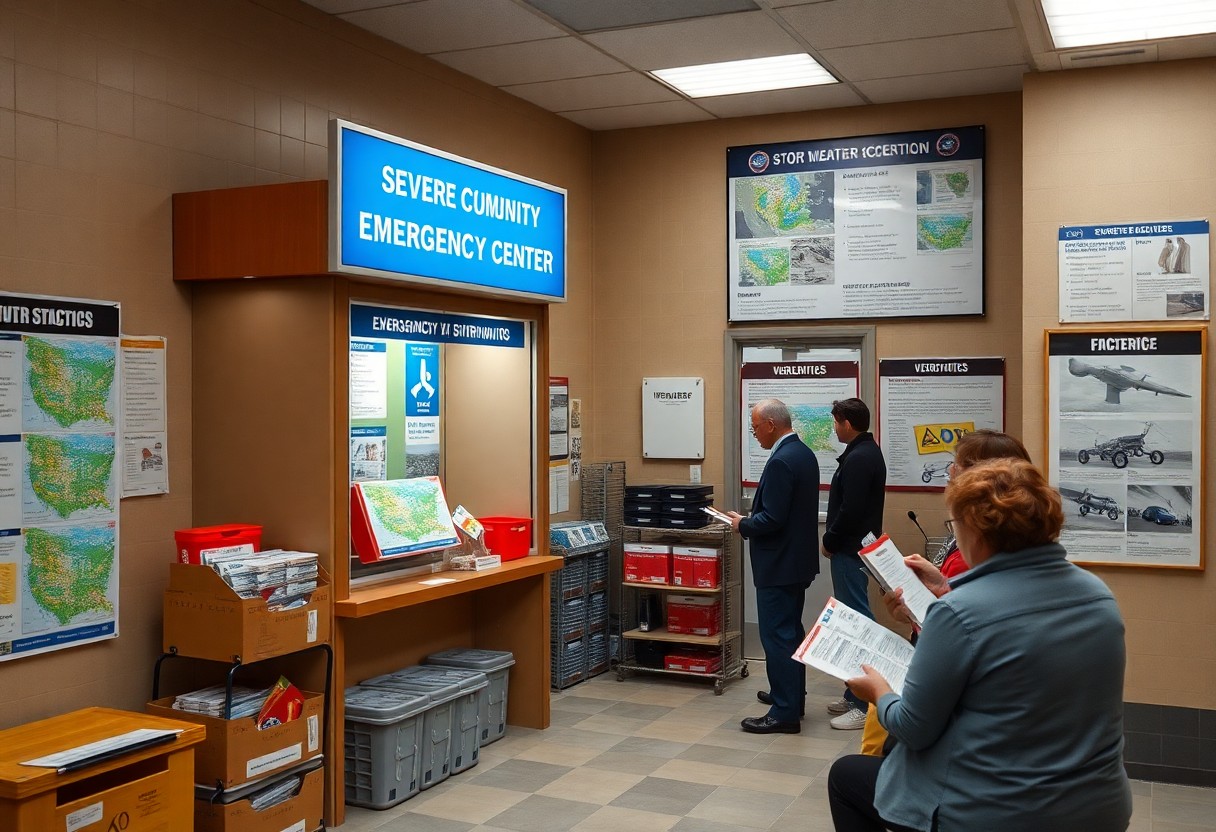
Most people underestimate the impact severe weather can have on their safety and property. Being proactive and informed about storm safety can make all the difference when facing potential disasters. This guide will equip you with crucial tips and strategies to prepare for storms, ensuring that you and your loved ones stay safe during adverse weather conditions. By taking the right precautions, you can minimize risks and respond effectively when storms threaten your area.
Key Takeaways:
- Stay informed by monitoring weather updates and alerts through reliable sources.
- Develop a family emergency plan that includes communication, evacuation routes, and an emergency kit.
- Identify safe areas in your home to take shelter during severe storms, such as basements or interior rooms.

Understanding Severe Weather
Types of Severe Weather
Severe weather encompasses various phenomena that can threaten life and property. Tornadoes, hurricanes, floods, and thunderstorms are some common types that can occur in different regions and seasons. For instance, tornadoes can produce winds exceeding 200 mph, causing catastrophic damage in mere moments. Hurricanes can lead to significant flooding and wind damage, particularly in coastal areas. Each type of severe weather presents distinct challenges and requires specific preparedness strategies.
In addition to the physical effects, severe weather can also induce psychological impacts, leading to stress and anxiety. Understanding the types you may face, such as winter storms which can immobilize regions with heavy snowfall and ice, helps you to plan effectively. Always consider local climate patterns when assessing your risk and determine appropriate actions for your safety.
- Tornadoes
- Hurricanes
- Floods
- Thunderstorms
- Winter Storms
Thou must ensure your safety protocols align with the severe weather risks prevalent in your area.
| Type of Severe Weather | Impact |
|---|---|
| Tornadoes | Widespread destruction, flying debris |
| Hurricanes | High winds, heavy rain, flooding |
| Floods | Property damage, risk of drowning |
| Thunderstorms | Lightning hazards, heavy rain, hail |
| Winter Storms | Travel difficulties, power outages |
Indicators of Severe Weather
Being aware of the indicators of severe weather is necessary for prompt action. Common signs include changes in wind patterns, sudden drops in temperature, and the development of dark, ominous clouds. Weather alerts from local meteorologists often precede severe storms, providing you crucial advance notice. Additionally, family members who work outdoors should report any unusual changes in the environment that could signal impending severe weather.
You can also utilize apps and websites to track real-time weather conditions, which can include radar imagery indicating storm fronts and their potential path. By staying vigilant and informed, you empower yourself to respond effectively when severe weather threatens.
Preparedness Planning
Creating an Emergency Kit
An effective emergency kit is your lifeline during severe weather events. You should pack enough supplies to sustain yourself and your family for at least 72 hours. Essential items include non-perishable food, water (one gallon per person per day), a flashlight, batteries, a first aid kit, and any necessary medications. Other important supplies might include a manual can opener, personal hygiene products, and important documents stored in a waterproof container. For tailored insights, explore Severe Weather Safety Tips.
Your emergency kit should also accommodate special needs, such as infant formula, pet supplies, or equipment for those with disabilities. Regularly check and update your kit, especially when seasons change or items expire, ensuring that it remains ready for any unexpected weather situations.
Establishing a Communication Plan
An effective communication plan is vital in ensuring the safety and well-being of you and your family during severe weather. Discuss and document how you will connect with one another before, during, and after a storm. Identify a designated meeting location where everyone can gather if separated, and establish a remote contact person outside your immediate geographical area who can facilitate updates and check-ins. Consider how you’ll utilize technology, like messaging apps, which often work even when cellular networks are congested.
Make sure each family member knows the details of the plan, including phone numbers, social media accounts, and alternate communication methods. Regularly practice this plan to ensure everyone feels confident. Knowledge of local emergency alerts and weather updates can also play a helpful role in staying informed and safe.
Evacuation Procedures
When to Evacuate
You need to be aware of the signs that indicate it’s time to evacuate. Local authorities will issue evacuation orders based on the severity and trajectory of an impending storm. Monitor news outlets, weather apps, and local emergency management notifications closely. If you receive a warning or notice that a mandatory evacuation has been issued for your area, you should act promptly. Even if an evacuation order has not yet been issued, if you feel unsafe or the situation worsens, it’s advisable to leave before conditions deteriorate further.
In situations such as hurricanes, authorities often provide projected landfall times and storm tracks. If you live in a flood-prone area or near coastal regions, evacuating ahead of a storm can protect your safety and property. Be proactive and develop a personal plan that includes identifying safe zones well before severe weather occurs.
Routes and Transportation
Choosing the right routes during an evacuation is necessary for ensuring your safety and timely relocation. Familiarize yourself with multiple evacuation routes in your area. Following maps provided by local emergency management can guide you away from danger zones. Traffic can get congested, so having alternate routes can save you time and stress. Always heed official communications regarding road closures or detours due to the weather or damaged infrastructure.
In addition to knowing which roads to take, it’s important to have a reliable means of transportation. Ensure your vehicle is in good working condition, with a full tank of gas, and that you have emergency supplies on hand. Relying on public transportation may be an option as well, but be mindful of schedules and availability under extreme weather conditions.
Additionally, consider coordinating with neighbors or family for carpooling options. During mass evacuations, some areas may see increased traffic, so having the flexibility to leave at staggered times can help mitigate congestion. Always check local resources for up-to-date information regarding the nearest shelters and transportation services available during an emergency.
Staying Informed
Weather Alerts and Warnings
Timely weather alerts and warnings are imperative for your safety during severe weather. National Weather Service alerts will keep you informed about impending storms, tornadoes, or flash floods. Stay tuned to local radio or television stations, as they provide the most current updates. If you receive an alert, don’t hesitate to act; whether it’s moving to a safe location or gathering your emergency kit, quick responses can save lives.
You should also take advantage of mobile apps dedicated to weather updates. Apps that issue push notifications can provide real-time information as conditions change. It’s advisable to familiarize yourself with the different levels of alerts—such as watches and warnings—so you understand the gravity of the situation when you receive notifications.
Reliable Information Sources
Turning to reliable information sources is imperative during severe weather events. Always verify that your information comes from trusted agencies like the National Weather Service (NWS) and the American Red Cross. Their websites and social media channels often feature the latest guidance and safety tips. Local emergency management offices can also give you specific information relevant to your area.
Additionally, community warning systems such as NOAA Weather Radio provide continuous broadcasts of weather information and emergency announcements. These broadcasts have uninterrupted power sources, making them a reliable fallback during power outages. Always keeping these information channels close at hand will help you stay prepared.
Reliable information sources should also include local news channels that often have on-the-ground reporting during severe weather events. The immediacy of local broadcasters can give comprehensive coverage about evolving weather conditions and local impacts. Consider subscribing to community alert systems or notifications that offer localized information specific to your neighborhood, thereby assuring you receive pertinent updates tailored to your immediate environment.
Safety During a Storm
Indoor Safety Measures
During a storm, securing your indoor environment is paramount. Ensure that you are in a designated safe area, such as a basement or an interior room with no windows. Ideally, this room should be equipped with emergency supplies like battery-powered radios, flashlights, and sufficient non-perishable food and water to last at least three days. Staying away from windows minimizess the risk of injury from shattered glass or flying debris. Also, unplug electronic devices to protect them from power surges that could occur during severe weather.
If you anticipate the potential for flooding, elevate critical items such as appliances and electrical outlets above predicted flood levels. Additionally, inspecting your home’s structure for vulnerabilities, like gaps in windows and doors, can significantly mitigate damage. Installing storm shutters or using plywood to board up windows can provide extra protection. Have an emergency kit ready, including a whistle, first aid supplies, and necessary medications.
Outdoor Safety Guidelines
Being outdoors during a storm can be dangerous, and it’s important to take specific precautions to remain safe. Stay indoors whenever severe weather warnings are issued. If you must go outside, be cautious of your surroundings; avoid walking through flooded areas, as even small amounts of moving water can be deceptive and lead to strong currents. High winds can also pose a risk, so seek shelter in a sturdy building and steer clear of trees and power lines, which are prone to falling or causing electrical hazards.
In instances where you can observe a storm approaching, heed the warnings of local authorities regarding evacuation routes and safety resources. Prioritize seeking shelter and monitoring local forecasts for updates on storm conditions. If you’re in a vehicle, never attempt to outrun a storm; instead, find a safe area to stop until conditions improve. If you’re caught outdoors during a lightning storm, crouch low but avoid lying flat on the ground to minimize risk.
Understanding how to react amid outdoor conditions can save your life. Storm surges often result in rapid water rises, so having a plan for high ground evacuation is imperative. Be aware of the potential for landslides in hilly regions, and avoid areas that are prone to these events. Bear in mind, it’s always better to err on the side of caution—if conditions seem dangerous, prioritize your safety over any other concern.
Recovery After a Storm
Assessing Damage
Once the storm has passed, your first step is to assess the damage to your property. Begin by inspecting the exterior of your home for visible signs of roof damage, broken windows, or fallen trees. Use caution when assessing your surroundings, as debris can pose a significant risk. Document the damage with photographs, making it easier to report to insurance providers. If you experience structural issues or flooding, prioritize these areas for immediate attention.
As you survey your property, check for any gas leaks or downed power lines that could present safety hazards. If you suspect danger, evacuate the area and contact emergency services. Conducting a thorough assessment will help you create a plan for repairs and prioritize your recovery efforts.
Emergency Services and Assistance
In the aftermath of a storm, various emergency services can support your recovery. Local authorities may provide assistance through shelters, food, and water distribution. It’s imperative to reach out to organizations such as the Red Cross or community relief funds, which often mobilize quickly to help disaster-stricken areas. You might also find contact information for local aid offices on official websites or local news outlets.
Your insurance provider will also play a key role in your recovery process. File claims promptly and provide them with the documentation you collected during your damage assessment. This expedites processing and helps ensure you receive the assistance you need to begin repairs as soon as possible.
Emergency services and local organizations can offer much-needed resources during this challenging time. Many communities organize volunteer relief efforts to aid affected residents, allowing you to benefit from additional support and guidance. Look for local volunteer groups or community centers that may have set up assistance initiatives; these resources can help connect you with services that ease your burden and expedite the recovery process.
Summing up
Drawing together the imperative aspects of severe weather preparedness, it is imperative that you understand the importance of storm safety in protecting yourself and your loved ones. You should develop a comprehensive plan that includes identifying safe shelter locations, maintaining an emergency kit stocked with imperative supplies, and staying informed about weather updates. Prioritizing these actions establishes a foundation for resiliency when faced with severe storms.
Additionally, you must ensure that your community resources are also part of your safety strategy. Engaging with local emergency services and participating in community preparedness initiatives can enhance your awareness of potential hazards. Taking proactive steps in your preparations allows you to respond swiftly and effectively during severe weather events, ultimately safeguarding your well-being and that of others around you.
FAQ
Q: What should I include in my severe weather emergency kit?
A: Your severe weather emergency kit should contain non-perishable food, water (one gallon per person per day for at least three days), a flashlight, extra batteries, a first aid kit, necessary medications, a multi-tool, blankets, a whistle, and important documents. Including a battery-operated or hand-crank radio to stay informed during power outages is also advisable.
Q: How can I stay informed about severe weather alerts?
A: Staying informed about severe weather alerts can be achieved by monitoring local news stations, signing up for weather alert notifications from your mobile provider, and using apps specifically designed for emergency alerts. NOAA Weather Radio is another reliable source for real-time weather updates.
Q: What actions should I take when a severe storm is approaching?
A: When a severe storm is approaching, seek shelter indoors immediately, preferably in a basement or an interior room away from windows. Secure outdoor items that may become projectiles in high winds and stay away from electrical appliances to avoid hazards. Keep your emergency kit accessible and stay tuned to local news for updates.
Leave a Reply