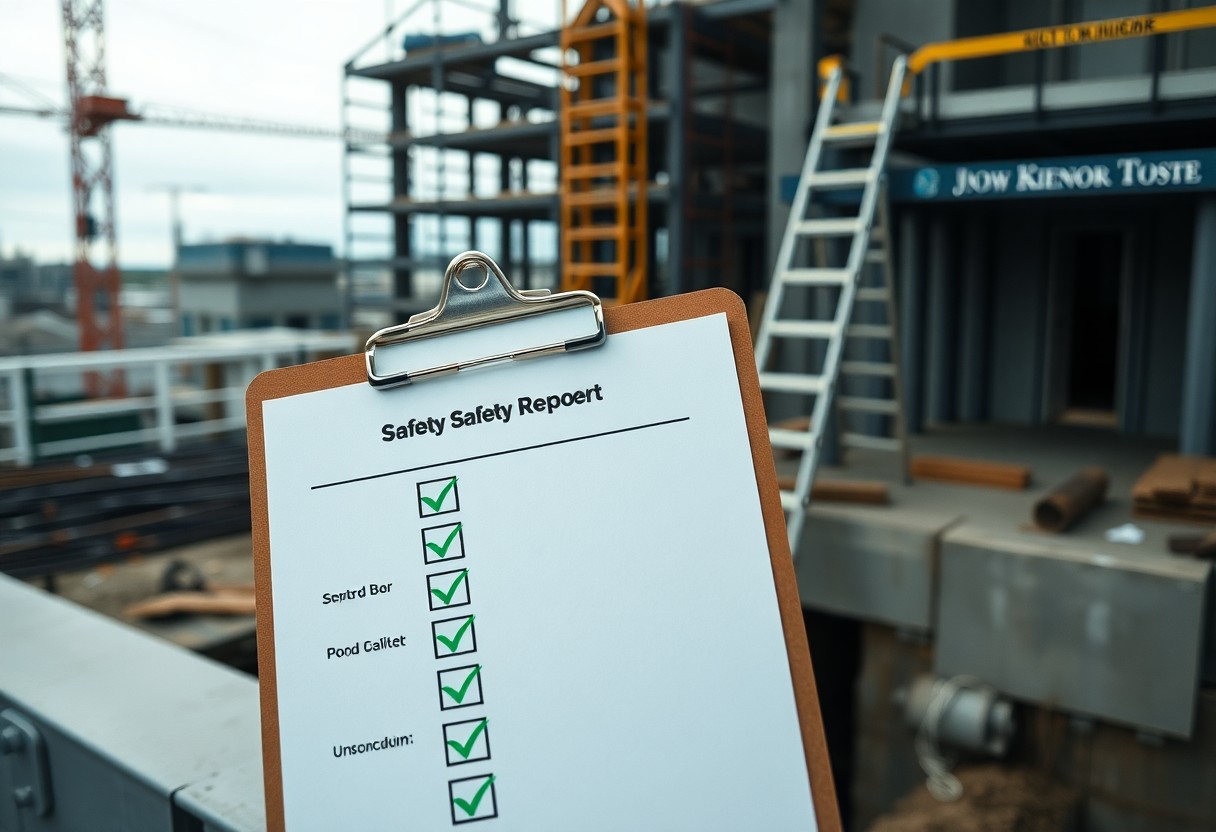
Just because a report shows full compliance doesn’t mean the site is safe. You can have perfect documentation and still face life-threatening hazards on the ground. A mid-sized SaaS firm once passed every audit while its field team bypassed lockout procedures daily. Numbers look clean until someone actually shows up-and then everything changes.
Key Takeaways:
- A safety report showing zero incidents over 18 months at a manufacturing plant concealed recurring near-misses that workers had stopped logging to avoid production delays, revealing how performance metrics can incentivize silence.
- During an unannounced site visit, an inspector found frayed lifting cables still in use despite being flagged in internal memos, illustrating how documentation often reflects compliance with reporting procedures rather than actual conditions.
- One construction firm maintained a perfect safety rating in corporate summaries while field supervisors admitted to backdating inspection forms, a practice uncovered only after a minor collapse exposed the gap between paper compliance and operational reality.
The Sterile Deception of the Dashboard
Data glows with precision on your screen, each metric aligned, every bar green. The system reports compliance at 98%, incidents at zero. This polished view feels reassuring, a testament to control. Yet behind those numbers, conditions may be deteriorating. A clean dashboard can mask dangerous realities just beyond the pixelated surface.
Fabricating a world of zero risk
Reports claim no safety violations for 427 days, a streak celebrated in boardrooms. Workers know better-near-misses go unlogged, hazards are downplayed. That flawless record rests on omissions, not accuracy. A culture that rewards perfect metrics pressures teams to hide flaws, turning documentation into fiction.
The allure of remote oversight
Managers review safety scores from headquarters, trusting real-time alerts and automated logs. Distance makes oversight feel efficient, even scientific. But sensors don’t capture fatigue, shortcuts, or frayed cables behind walls. Relying on remote data creates a false sense of control, where confidence grows as risk deepens unseen.
One mid-sized SaaS firm reduced site audits by 60% after implementing a new monitoring platform, believing digital tracking replaced the need for boots on the ground. Field technicians, however, reported increasing pressure to delay maintenance to avoid triggering compliance flags. The system recorded stability while actual equipment conditions worsened, exposing a widening gap between digital perception and physical truth.
The Unvarnished Truth of the Worksite
What appears compliant on paper often unravels under direct observation, where procedures are bypassed to meet production demands. You might see a “THINK SAFETY” REPORT TO YOUR INSTRUTOR pt 1 that documents perfect adherence, yet workers routinely disable safety interlocks. The gap between reporting and reality reveals systemic tolerance for risk masked by tidy documentation.
Where the safety boots meet the mud
Conditions on the ground diverge sharply from office summaries, as supervisors overlook violations to maintain output. You walk the line and find hardhats worn improperly, lockout tags missing, and emergency exits blocked-each a visible deviation absent from the monthly report. What’s recorded is what’s wished for, not what’s witnessed.
The hidden shortcuts of daily survival
Workers develop informal workarounds to keep pace, like bridging machine guards with tape or sharing login codes for safety checklists. You recognize these not as negligence but as adaptive behaviors under pressure, born from conflicting demands: complete tasks quickly or follow every protocol. The system rewards speed, not compliance.
These shortcuts accumulate into normalized hazards, such as using forklifts to transport personnel because walkways are congested. You observe that no formal training covers these practices, yet they’re universally known and silently endorsed. A mid-sized SaaS firm may audit code, but here, the unspoken rule is to finish the job, not question the method.
The Architecture of Institutional Ignorance
Organizations often build systems that prioritize documented compliance over actual safety, creating a hidden structure where appearances consistently outweigh conditions on the ground. Reports are polished, audits are passed, and leadership receives reassurance-while workers adapt to risks no spreadsheet captures. This architecture does not emerge by accident; it is reinforced daily through choices that value convenience over truth.
Rewarding the appearance of compliance
Leadership teams frequently celebrate perfect audit scores and on-time report submissions, unintentionally signaling that submitting clean paperwork matters more than resolving real hazards. A supervisor at a mid-sized SaaS firm once admitted their team rehearsed inspection walkthroughs like performances, ensuring every form was signed and every checklist complete-even when known issues remained unaddressed.
The high cost of convenient metrics
Measuring safety through lagging indicators like incident-free days creates a false sense of security, as these numbers often reflect underreporting rather than actual protection. When executives reward long stretches without reported injuries, employees may avoid logging minor incidents to preserve the metric, eroding trust and delaying corrective action until a major failure occurs.
One manufacturing plant maintained a celebrated streak of 800 incident-free days, prominently displayed in the lobby. After an equipment malfunction caused a serious burn injury, internal reviews revealed 17 unrecorded near-misses in the prior quarter. The metric had not reflected safety-it reflected pressure to maintain a narrative, with silence mistaken for success.
The Moment the Record Failed
One signature turned a routine inspection into a legal liability, the form stamped complete while a valve remained unsecured. You trusted the log because it matched every protocol, yet the ink dried on a falsehood that nearly cost three lives. Paperwork certified safety the moment before the pipe ruptured.
Reconciling the tragedy with the ink
A supervisor signed off on lockout-tagout compliance hours before the accident, his initials beside a timestamp that contradicted witness accounts. The discrepancy wasn’t caught until investigators compared notes with shift logs, revealing a 47-minute gap between procedure and practice.
The fragility of the paper fortress
A single unchecked box on a permit allowed unauthorized access to a confined space, the document treated as proof of safety despite missing validations. The form’s authority collapsed under scrutiny, exposing reliance on signatures over verification.
That permit had been replicated across twelve sites, each copy treated as evidence of due diligence. A mid-sized SaaS firm managing industrial clients discovered the template lacked mandatory fields for real-time atmospheric readings, meaning every instance created a false impression of compliance. One site, in Texas, had recorded normal oxygen levels on paper while sensors showed a 19.5% drop minutes before entry.
Dismantling the Culture of the Checklist
Compliance documents often mask deeper systemic flaws, presenting a sanitized version of operations that looks flawless on paper. You’ve seen reports where every box is checked, yet incidents still occur. The real risk lies in mistaking completion for competence. A perfect audit trail means little when it’s built on ritual rather than reality. True safety emerges not from filled forms but from verified conditions.
Seeking truth beyond the clipboard
Walkthroughs based on checklists often miss subtle but dangerous deviations that only direct observation can catch. You might review a completed safety log showing daily inspections, yet find unlabeled chemical containers在现场. The clipboard records compliance, not context. Your presence, attention to detail, and willingness to look past paperwork reveal what the form cannot: the actual state of risk.
The necessity of the unannounced witness
Scheduled visits allow teams to prepare a performance, not demonstrate practice. You gain the clearest picture when you arrive without warning. In one case, a mid-sized SaaS firm’s data center passed every remote audit, yet an unannounced visit revealed servers operating under unsafe thermal loads. The gap between protocol and practice only closes when observation is unpredictable.
When you conduct surprise site visits, you disrupt the rhythm of performative safety. Workers don’t have time to correct shortcuts or hide noncompliant tools. These moments expose the habits formed when no one is watching. A forklift operator might follow all procedures during audits but routinely bypass seatbelt sensors when under production pressure. Only unannounced presence captures these patterns, making them visible and actionable.
Final words
You review the report, see the clean metrics, and feel reassurance settle in. Yet that confidence rests on documents shaped more by convenience than observation. A single walk through the worksite reveals what spreadsheets never captured: frayed wiring behind a locked panel, a technician skipping lockout procedures, a supervisor who doesn’t recall the last safety drill. Your trust belongs not to the file, but to what you witness firsthand.
FAQ
Q: How can a safety report appear flawless while conditions on the ground remain hazardous?
A: Safety reports often reflect compliance with procedural requirements rather than actual field conditions. A mid-sized SaaS firm managing industrial clients discovered that weekly reports from remote sites consistently scored 98% or higher on safety checklists. Yet, unannounced site visits revealed unsecured scaffolding, expired fire extinguishers, and workers bypassing lockout-tagout protocols. The discrepancy arose because supervisors completed digital forms based on scheduled walkthroughs, not real-time observations. Employees, under pressure to maintain high scores, marked tasks as completed even when they were not. The system rewarded documentation over diligence, allowing risk to accumulate invisibly.
Q: What role does timing play in the gap between reported safety and real-world safety?
A: Reports are frequently generated in anticipation of audits or management reviews, prompting temporary fixes known as “clean-for-inspection” behaviors. At a manufacturing plant in Ohio, for example, hard hats and safety vests appeared in abundance the day before a corporate visit, but site supervisors admitted these items disappeared within hours after the review concluded. Cameras installed near entry points later showed that compliance dropped by over half during afternoon shifts when oversight was minimal. The rhythm of reporting cycles, aligned with review schedules rather than operational reality, creates windows of authenticity that mask persistent deficiencies.
Q: Can technology close the gap between documentation and actual safety performance?
A: Technology can help, but only if designed to capture continuous data rather than episodic compliance. One construction company replaced monthly checklists with wearable sensors that monitored proximity to hazardous zones and detected falls in real time. Over six months, incident reports increased by 40%, not because safety worsened, but because previously invisible risks became measurable. Alerts triggered immediate supervisor responses, and trends informed weekly safety meetings. The shift from static forms to dynamic monitoring revealed that 70% of near-misses occurred during shift changes, a pattern never captured in traditional reports. The tools themselves did not improve safety-changes in behavior driven by accurate data did.