
Many workplaces encounter near misses, which are often overlooked opportunities for improvement. By reporting these close calls, you can contribute to a safer environment for yourself and your coworkers. Understanding the importance of these incidents helps identify hazards and implement preventative measures, ultimately reducing the risk of accidents. In this post, you will learn effective strategies for reporting near misses and why your input is important in fostering a culture of safety within your organization.
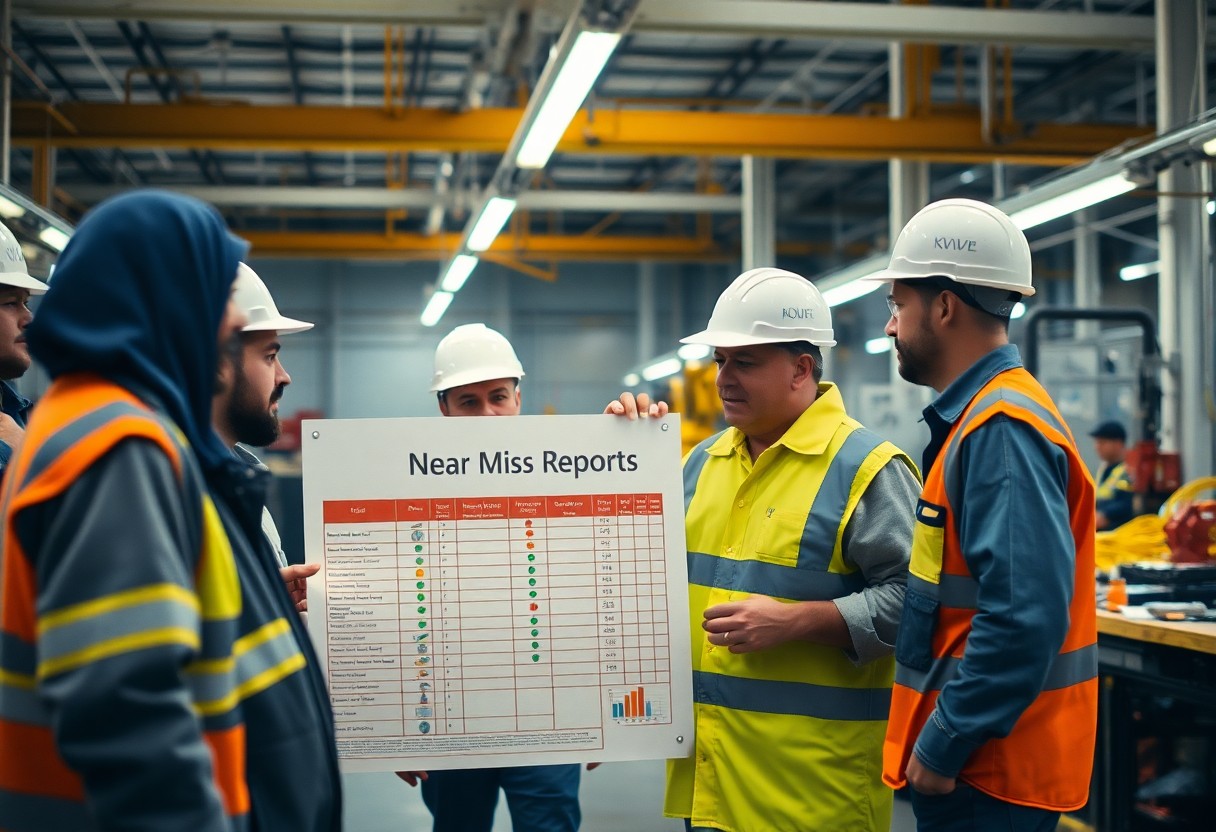
Key Takeaways:
- Encourage a culture of openness to report near misses without fear of repercussions.
- Analyze near misses to identify potential hazards and improve safety protocols.
- Provide training and resources to help employees recognize and report close calls effectively.
Understanding Near Misses
Definition of a Near Miss
A near miss is defined as an event that could have resulted in an accident, injury, or damage but did not ultimately lead to any negative outcome. These incidents often go unreported, as they may seem insignificant at first glance. However, recognizing a near miss is vital, as it serves as a warning that can highlight gaps in safety protocols or unsafe practices within your workplace.
For example, if an employee almost slips on a wet floor but manages to regain their balance, this incident constitutes a near miss. Despite no immediate harm occurring, it indicates a potential hazard that requires attention. Identifying and addressing such events can prevent more serious incidents in the future.
Importance of Reporting Near Misses
Reporting near misses fosters a proactive safety culture. It allows you and your colleagues to identify recurring problems and implement solutions before an actual accident occurs. By analyzing these events, you gain insights into risk factors and can adjust safety measures accordingly, ultimately reducing the chances of injury or damage in the workplace.
Data from the National Safety Council illustrates that organizations that encourage the reporting of near misses can reduce their total incident rate by 30%. This significant decrease highlights the impact that comprehensive near-miss reporting systems can have on organizational safety. In your role, submitting detail about near misses contributes to a safer environment for you and your fellow employees.
Creating a Reporting Culture
Encouraging Open Communication
You must create an environment where employees feel comfortable sharing their experiences with near misses. Encourage team members to voice concerns without fear of retribution. Host regular meetings to discuss safety and open the floor for sharing incidents. When management actively participates in these conversations, it signals that safety is a priority. Additionally, promoting transparency in reporting near misses can reduce stigma and foster a collective responsibility towards safety. For a further insight into the importance of learning from incidents, consider the findings in this document on ACCIDENTS LEARN FROM NEAR MISSES ….
Providing a Safe Environment for Reporting
Establishing a safe reporting environment starts with implementing clear policies that protect employees who report near misses. Make it clear that the organization values safety over compliance and that the primary concern is learning and preventing incidents. Regular training sessions that emphasize the importance of reporting should be part of your safety program. When employees see a direct connection between their reports and improvements in workplace safety, their motivation to report increases.
Take proactive steps by ensuring anonymity where possible and offering multiple reporting channels, such as confidential hotlines or online forms. You can also recognize contributions to safety enhancements by publicly acknowledging individuals who report near misses. By demonstrating that reporting is not just accepted but celebrated, you lay the groundwork for a robust safety culture that prioritizes collective learning and continuous improvement.
Effective Reporting Mechanisms
Tools and Systems for Reporting Near Misses
Implementing efficient tools and systems for reporting near misses enhances your organization’s safety culture. Digital reporting platforms, such as mobile applications or integrated safety management software, streamline submission processes and ensure timely communication. These systems enable you to log incidents immediately, providing real-time data for analysis. For instance, organizations that adopted mobile reporting saw a 30% increase in reported near misses, highlighting the importance of accessibility and user-friendly interfaces.
You should also consider incorporating anonymous reporting options. Many employees may hesitate to report near misses due to fear of repercussions. Tools like anonymous hotlines or dedicated email addresses can encourage reporting without fear, fostering an open environment. A case study from a leading manufacturer indicated that introducing anonymous reporting raised near miss submissions by 50%, contributing to enhanced safety measures and improvements in workplace conditions.
Best Practices for Documentation
Documenting near misses effectively requires consistency and clarity. Ensure that each report includes important details such as the date, time, location, and a clear description of the event. Use standard forms or templates that guide employees in providing comprehensive information. This level of detail not only aids in understanding the incident but also helps identify patterns over time.
Use of visuals, such as diagrams or photographs, can significantly aid in the documentation process. By including visual evidence, you can clarify complex situations and enhance the understanding of the near miss scenarios. Additionally, ensure that everyone involved in reporting understands their roles and the importance of accurate documentation. Training sessions focused on proper reporting techniques can bolster the overall quality of the documentation process.
Analyzing Near Miss Data
Identifying Trends and Patterns
To effectively analyze near miss data, you’ll want to systematically identify trends and patterns that emerge over time. Consolidating reports in a centralized database allows you to examine multiple incidents and spot recurring themes, such as specific locations, equipment failures, or shifting workloads that lead to close calls. For instance, if several near misses occur in a particular work area, you might investigate whether environmental factors or equipment maintenance issues are at play. By leveraging data visualization tools, you can create charts and heat maps to better interpret this information.
In addition to location-based trends, analyzing the context surrounding each incident can yield valuable insights. Consider the time of day, staffing levels, or concurrent activities when assessing the data. If near misses are most frequent during shift changes, this might indicate lapses in communication or incomplete handoff processes. Understanding these nuances helps you develop targeted interventions that address the root causes of near misses and not just their symptoms.
Applying Lessons Learned
Once you identify trends and patterns, apply the lessons learned to improve safety practices and protocols in your organization. This proactive approach ensures that past experiences translate into actionable strategies that reduce the likelihood of future incidents. For instance, if analysis reveals that a specific task is consistently linked to near misses, you can re-evaluate training procedures or implement additional safety protocols tailored to that task. Engaging employees in discussions about these learnings fosters a culture of safety where individuals feel empowered to contribute to solutions.
Implementing these lessons often involves revising existing safety measures or creating new initiatives that specifically target identified issues. By incorporating feedback from employees who experienced the near misses, you enhance the effectiveness of your safety programs. Real-world examples show that organizations that adapt their safety protocols based on near miss analysis see a significant decline in actual accidents over time. Each lesson learned not only leads to safer practices but also builds an organizational culture that prioritizes continuous improvement in safety standards.
Training and Awareness Programs
Training Employees on Reporting Procedures
Your organization should prioritize training employees on the importance of reporting near misses. This includes developing a clear, structured training module that outlines the steps for reporting incidents. Regular workshops can reinforce the significance of near miss reporting in preventing actual accidents. For example, a manufacturing company that implemented rigorous training saw a 30% increase in near miss reports within the first year, demonstrating the effectiveness of such programs.
Incorporating real-life scenarios into training sessions enhances understanding and engagement. You can use role-playing exercises where employees practice reporting near misses, enabling them to feel more comfortable and confident in their decision to report. This hands-on approach can bridge the gap between theory and practice, ensuring that employees recognize the value of their contributions to workplace safety.
Raising Awareness of Safety Protocols
Effective awareness initiatives are imperative for embedding safety protocols into your workplace culture. Utilize various communication channels, such as newsletters, posters, and team meetings, to highlight safety protocols and emphasize the importance of near miss reporting. A dedicated safety week or monthly safety themes can also draw attention to these protocols, keeping them top of mind for your team.
Encouraging employee involvement in safety programs further reinforces awareness. Consider establishing a safety committee with representatives from various departments to provide input on safety matters. Additionally, sharing success stories of how near miss reports led to actionable changes can motivate employees to engage actively in safety conversations and promote a collective responsibility for workplace safety.
Final Words
With this in mind, recognizing the importance of reporting near misses in your workplace can lead to significant improvements in safety culture. You have the opportunity to contribute to an environment where safety is prioritized and issues are addressed proactively. By sharing your experiences of close calls, you enable your organization to identify patterns and implement necessary changes, ultimately reducing the risk of more serious incidents.
Your active participation in safety talks and reporting near misses will enhance your own safety awareness while fostering accountability among your colleagues. You play an crucial role in creating a safer workplace; your insights are invaluable in forming strategies that protect everyone. Engaging in these dialogues can transform a mere incident into a powerful learning opportunity that benefits the entire organization.
FAQ
Q: What is a near miss and why is it important to report them?
A: A near miss is an incident that could have resulted in injury, damage, or loss but did not. Reporting near misses is important as it helps organizations identify potential hazards, improve safety protocols, and prevent actual accidents from occurring in the future.
Q: How should near misses be reported within an organization?
A: Near misses should be reported through established protocols, which may include filling out a near miss report form, notifying a supervisor, or using a safety management system. It’s important that employees know the reporting procedures and feel encouraged to share information without fear of repercussions.
Q: What steps should be taken after a near miss is reported?
A: After a near miss is reported, the organization should analyze the incident to determine the underlying causes, assess the risk involved, and develop corrective actions. Follow-up training or adjustments to safety practices may be necessary to prevent future occurrences.
Leave a Reply