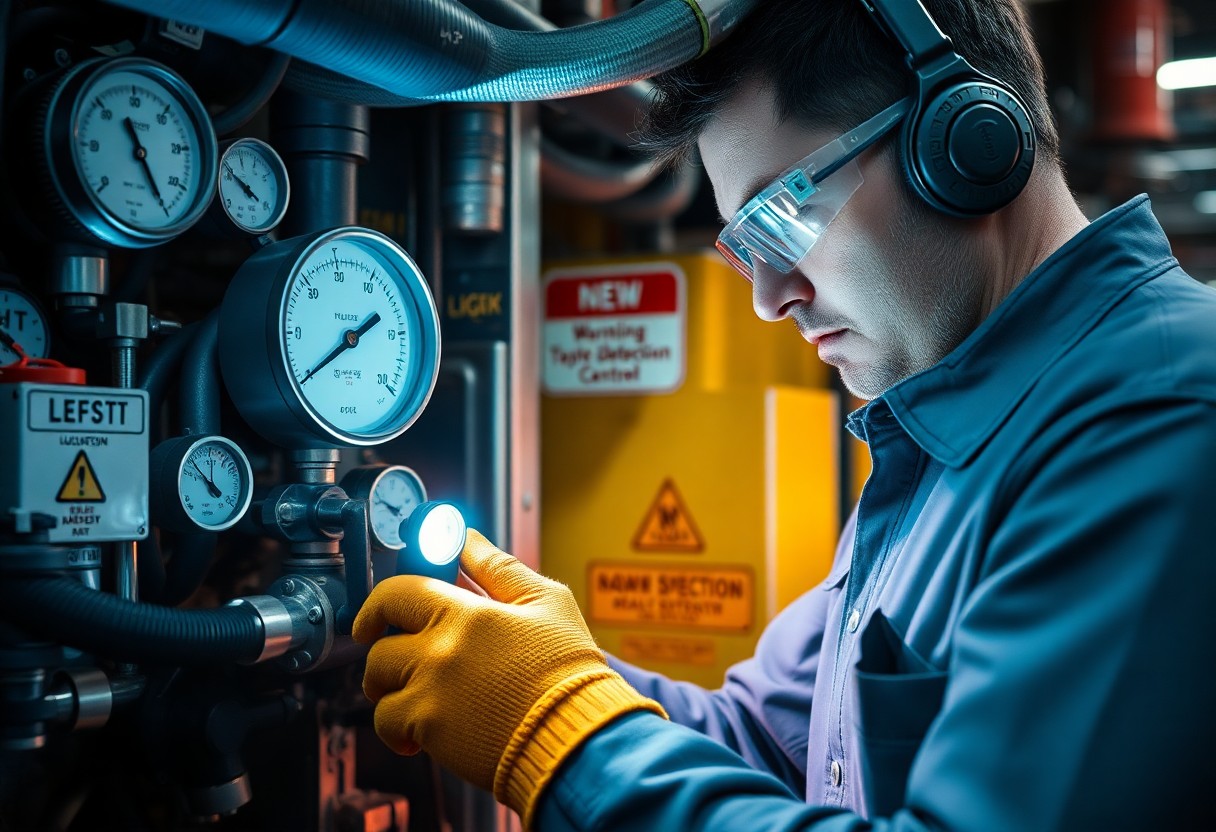
You must be aware of the dangers associated with high-pressure leaks in hydraulic systems. These leaks can lead to catastrophic failures, posing significant risks to both equipment and personnel. Understanding the mechanics behind hydraulic systems and recognizing the signs of potential leaks will help you maintain a safer work environment. This post will highlight the hazards, preventive measures, and safety practices important for effective management of hydraulic systems in any workplace.
Key Takeaways:
- High-pressure leaks can cause serious injuries and must be addressed immediately.
- Regular maintenance and inspections are important to identify potential leak points.
- Proper safety gear and protocols should always be used when working with hydraulic systems.
Understanding Hydraulic Systems
Basic Components
Your hydraulic system comprises several key components, each playing a vital role in its operation. The pump generates flow by converting mechanical energy into hydraulic energy, delivering fluid throughout the system. Reservoirs store hydraulic fluid, ensuring that during various operating conditions, there’s always an adequate supply. Actuators, such as cylinders and motors, convert hydraulic energy back into mechanical energy to perform work, while valves control the direction and flow of the hydraulic fluid, allowing for precise movement and operation.
Seals and hoses are equally important, preventing leaks and ensuring that the hydraulic fluid can withstand high pressures. The selection of these components directly affects the efficiency and reliability of your system. For instance, using a high-quality hose rated for your system’s pressure can prevent premature failure, making maintenance easier and enhancing system safety.
Operating Principles
Hydraulic systems operate based on Pascal’s principle, which states that pressure applied to a confined fluid is transmitted undiminished in all directions. This principle allows you to amplify force; a small input force can create a larger output force when applied over a greater area. When you move the control valve, you alter the flow of hydraulic fluid, directing it to the actuators which in turn perform tasks such as lifting, pushing, or rotating an object in your machinery.
Each cycle within the system is meticulously designed to maintain efficiency and minimize energy loss. By creating a closed-loop system, hydraulic energy can be reused, reducing the need for constant energy input. For example, when you lift a load using hydraulic cylinders, the system retains much of the energy even when the load is lowered, allowing for faster cycles and prolonged system life.
High-Pressure Leaks
Causes of High-Pressure Leaks
High-pressure leaks in hydraulic systems often arise from a variety of factors that compromise the integrity of the components. Wear and tear on hoses, couplings, and seals due to rigorous use can lead to material fatigue, making them more susceptible to failure. Additionally, improper installation, such as using incorrect fittings or connections, can create weak points where leaks might develop. Environmental factors like extreme temperatures or exposure to chemicals can also degrade the materials, increasing the risk of leaks.
Another significant cause of high-pressure leaks is contamination in the hydraulic fluid. Contaminants like dirt, water, or debris can cause erosion or corrosion inside the system, leading to unexpected failures. Regular inspection of your hydraulic components is vital in identifying wear or contamination before it escalates into a hazardous leak situation, which can lead to costly downtime or, worse, serious injuries.
Identifying Leak Symptoms
Timely detection of high-pressure leaks is crucial for maintaining safety in hydraulic systems. Look for visible signs such as fluid spraying or pooling around hoses and connectors. Auditory clues, such as hissing or whistling sounds, often accompany leaks and indicate pressurized fluid escaping. You may also notice a drop in pressure readings on your gauges, which can signify a major leak that requires immediate attention.
Your senses can also help you identify additional symptoms. For example, if you detect a change in hydraulic system performance, such as sluggish actuation or inconsistent control responses, it could indicate a leak. Monitoring fluid levels regularly and recognizing the signs of fluid degradation can help you catch leaks early. Regular training sessions, such as a Weekly Safety Meeting – Dangers of Hydraulic Hoses, can further equip you with the knowledge to prevent these issues.
Furthermore, vigilant oversight during routine inspections can reveal telltale signs of leaks. For instance, oil stains on machinery surfaces or dampness around fittings can serve as indicators of slow leaks that may worsen over time. Always maintain an environment where potential hazards are addressed proactively to ensure safe operation of hydraulic systems.
Safety Precautions
Personal Protective Equipment (PPE)
When working with hydraulic systems, wearing the correct Personal Protective Equipment (PPE) is vital to minimize risks associated with high-pressure leaks. You should always don safety goggles to shield your eyes from potential fluid splashes, as hydraulic fluids can cause severe irritation or injury. Additionally, use gloves made from strong, chemical-resistant materials to avoid skin contact with hazardous fluids. Non-slip safety footwear can enhance your stability and protect your feet from falling objects or fluid spills in the work area.
Other recommended PPE includes a hard hat in environments where overhead hazards exist and hearing protection when operating loud machinery. Depending on the specific fluids used in your system, it may also be advisable to wear face shields or specialized clothing to prevent exposure. Properly maintaining and inspecting your PPE regularly is vital to ensure its effectiveness during operations.
Safe Operating Procedures
Following safe operating procedures when managing hydraulic systems significantly reduces the likelihood of accidents linked to high-pressure leaks. You need to familiarize yourself with the manufacturer’s guidelines and operational manuals for the equipment in use. Always perform routine checks on hydraulic hoses and fittings before operation; look for signs of wear, such as cracking or discoloration, that could signal potential failure points. Implementing a lockout/tagout procedure during maintenance helps prevent unintended system activation, ensuring you can work safely.
Additionally, training is vital for all individuals who interact with hydraulic systems. Understanding the mechanics and potential risks associated with hydraulic fluid under pressure empowers you and your team to act decisively in emergency situations. Conducting simulation exercises on how to manage a leak or other failure can build confidence and readiness in your responses.
Leak Detection Methods
Visual Inspection Techniques
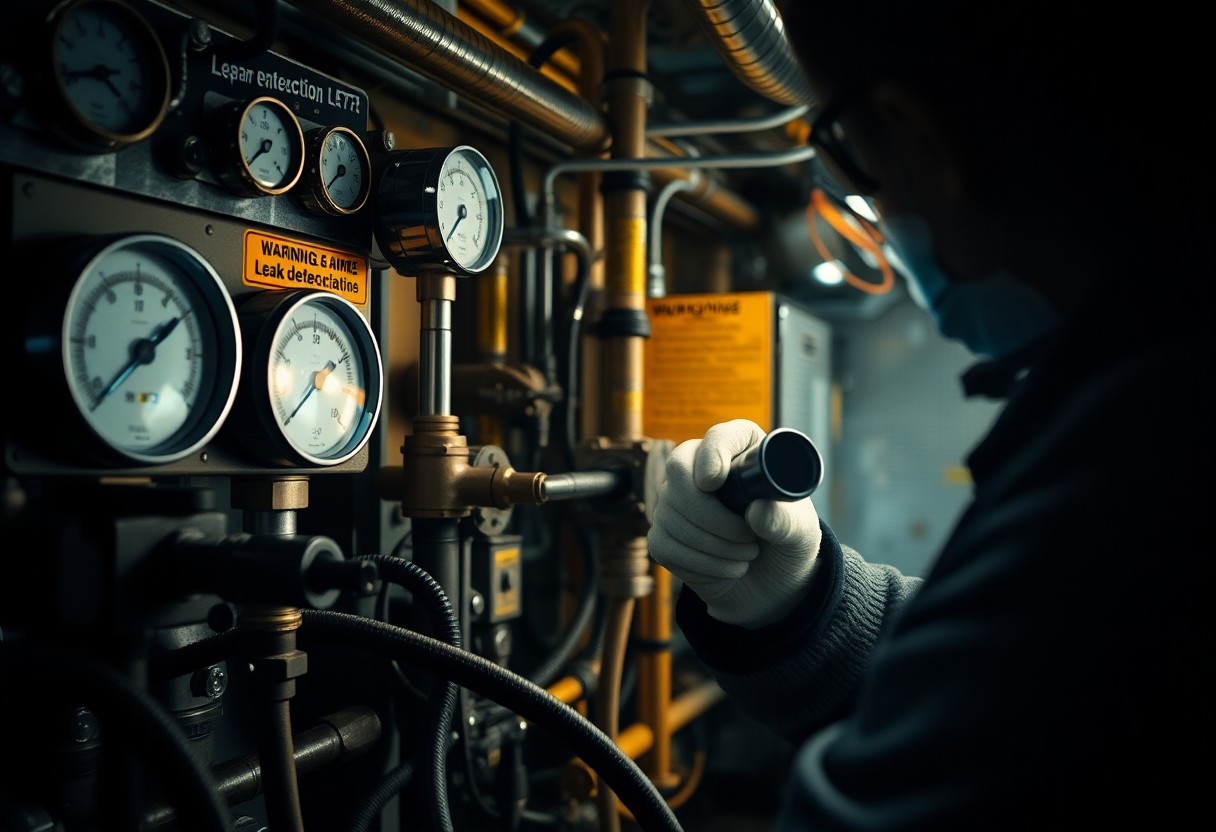
One of the simplest yet effective ways to detect leaks in hydraulic systems is through visual inspection. You should examine all connections, hoses, and components regularly for signs of fluid accumulation or spray patterns. Pay attention to areas around seals and joints, as these are common leak points. A clean inspection area allows for easier identification of new leaks. Make sure you look for discoloration, grease buildup, or fluid stains that may indicate a problem.
Integrating visual inspections into your routine maintenance schedule ensures that potential issues are spotted early. Even small leaks can escalate quickly, leading to system failure. Utilize good lighting and, if necessary, magnifying tools to enhance your inspection. Document any findings in a log to track any recurring issues over time, helping to prioritize repairs and replacements.
Advanced Detection Technologies
For more precise leak detection, you can leverage advanced technologies such as ultrasonic leak detectors and thermal imaging cameras. Ultrasonic detectors pick up the high-frequency sound waves generated by escaping high-pressure fluids, enabling you to locate leaks even in noisy environments. Thermal imaging cameras visualize temperature differences in the hydraulic system, highlighting areas where fluid may be leaking and cooling the surrounding surfaces.
The integration of these technologies enhances your ability to detect and address issues promptly, reducing downtime and minimizing the risks associated with high-pressure leaks. Training personnel to use these tools effectively is crucial for maximizing their benefits. As a result, you can ensure safer and more efficient operations within your hydraulic systems.
- Regular inspections enhance leak detection
- Ultrasonic and thermal imaging provide advanced solutions
- Invest in training for effective use of technologies
| Method | Description |
| Visual Inspection | Involves examining hoses and components for fluid signs |
| Ultrasonic Detection | Uses sound waves to detect escaping fluids |
| Thermal Imaging | Utilizes heat differentials to identify leaks |
Advanced detection technologies not only streamline the process of leak identification but also ensure a safer work environment. Utilizing ultrasonic detectors can allow you to identify leaks at pressures as low as 5 psi, enabling earlier interventions before major failures occur. Thermal imaging can reveal problematic areas during both operational and non-operational states, increasing reliability in your hydraulic systems. This proactive approach ultimately enhances your equipment longevity and performance.
- Ultrasonics can detect low-pressure leaks
- Thermal cameras visualize issues in operational and non-operational states
- Proactive measures extend equipment life
| Benefit | Explanation |
| Increased Reliability | Enhanced identification reduces risk of failures |
| Operational Efficiency | Minimizing downtime improves workflow |
| Enhanced Safety | Early detection prevents accidents and injuries |
Emergency Response
Immediate Actions to Take
If you encounter a high-pressure leak in a hydraulic system, your first step is to ensure that everyone is at a safe distance. High-pressure leaks can spray fluid dangerously, causing severe injuries. Assess the situation cautiously and identify the source of the leak. If you have the necessary training and equipment, attempt to shut down the hydraulic system to prevent further fluid release. Never try to stop a leak with your hands or body—use a proper tool if necessary.
Once you handle immediate safety, secure the area to prevent unauthorized entry. This includes placing warning signs or barriers if you are on a job site. If you notice any signs of fire or vapor clouds, evacuate the area and do not attempt to extinguish any flames unless you are properly trained and equipped. Keeping calm and acting quickly can significantly reduce risks associated with high-pressure leaks.
Reporting Procedures
After stabilizing the situation, your next action should be to report the leak to your supervisor or safety officer. Provide as much detail as possible, including the location, the source of the leak, and any immediate actions you took. Accurate reporting is vital in assessing the risk and determining the appropriate response measures. Documentation should also include any injuries or potential injuries observed during the incident.
Once reported, formal procedures may require you to complete an incident report. This documentation helps track incidents and improve safety protocols for the future. Ensure that your report includes specific details such as the time of the incident, personnel involved, and the timeline of responses taken. Consistency and thoroughness in reporting can lead to better safety practices and the prevention of future leaks.
In case your workplace has a digital reporting system, familiarize yourself with its functionalities to streamline the reporting process. Quick access to reporting tools can help maintain a safer work environment by facilitating immediate communication with safety teams and enabling them to carry out necessary follow-up procedures without delay. Your proactive approach in this stage contributes significantly to overall safety culture.
Maintenance Best Practices
Regular Inspection Checklists
Incorporating regular inspection checklists into your maintenance routine is vital for the longevity and safety of hydraulic systems. Start by assessing key components such as hoses, fittings, and seals for wear and damage. Look for signs of leakage, corrosion, or deformation that could indicate potential failure. Before beginning inspections, ensure that pressure is relieved and the system is isolated to enhance safety. Tracking these inspections in a log can help you identify trends and address issues before they escalate.
Your checklist should include specific items to examine, such as connection integrity and actuator response times. For instance, check hydraulic fluid levels and quality, as contaminated fluids can lead to system inefficiencies and increased wear on components. By systematically reviewing these elements, you safeguard against unexpected breakdowns and ensure optimal performance.
Preventive Maintenance Strategies
Implementing preventive maintenance strategies is key to minimizing downtime and extending the lifespan of hydraulic systems. Start by establishing a maintenance schedule based on operational hours or manufacturer recommendations. This includes routine tasks like fluid replacement and filter changes. Additionally, don’t overlook the importance of training personnel on best practices for using hydraulic equipment, as improper use can lead to premature wear.
Utilizing advanced monitoring technologies, such as pressure sensors and condition monitoring systems, can provide real-time data on system performance. These tools allow you to anticipate potential failures and conduct maintenance tasks at optimal intervals, reducing the risk of unexpected leaks or system malfunctions.
As part of your preventive maintenance strategies, consider conducting thermal imaging assessments to detect hotspots in hydraulic lines that may prelude a failure. Regularly scheduled training sessions for your team can also enhance awareness around system operation, helping to identify minor issues before they evolve into major problems. By creating a comprehensive approach to maintenance, you ensure not only the safety of your personnel but the efficiency of your operations.
Final Words
Conclusively, understanding the hazards associated with hydraulic systems is fundamental to ensuring your safety and the safety of your colleagues. High-pressure leaks can lead to severe injuries, including lacerations and crush injuries, as well as equipment damage and operational downtime. You must be vigilant in inspecting hydraulic systems regularly, checking for wear and tear, and ensuring that all components are properly maintained and secured. Personal protective equipment, such as gloves and goggles, is also important when working with these systems.
Additionally, being trained in recognizing the signs of potential leaks and knowing the appropriate emergency procedures can significantly impact your safety in the workplace. Engaging in ongoing training and discussions about safety protocols can reinforce the importance of vigilance around hydraulic systems. Your proactive approach to identifying and mitigating risks can help create a safer working environment for everyone involved.
FAQ
Q: What are the common signs of high-pressure leaks in hydraulic systems?
A: Common signs of high-pressure leaks include visible fluid spray, hissing noises, sudden drops in system pressure, and fluid accumulation around connections or seals.
Q: How should I handle a high-pressure leak in a hydraulic system?
A: First, stop the equipment and safely relieve the pressure in the system. If safe to do so, identify the leak source and apply appropriate repair methods or sealants. Always wear appropriate personal protective equipment (PPE) during the process.
Q: What preventive measures can be taken to avoid high-pressure leaks in hydraulic systems?
A: Regularly inspect hydraulic components for wear and damage, ensure proper installation of seals and connectors, and perform routine maintenance, including fluid level checks and system pressure tests.
Leave a Reply