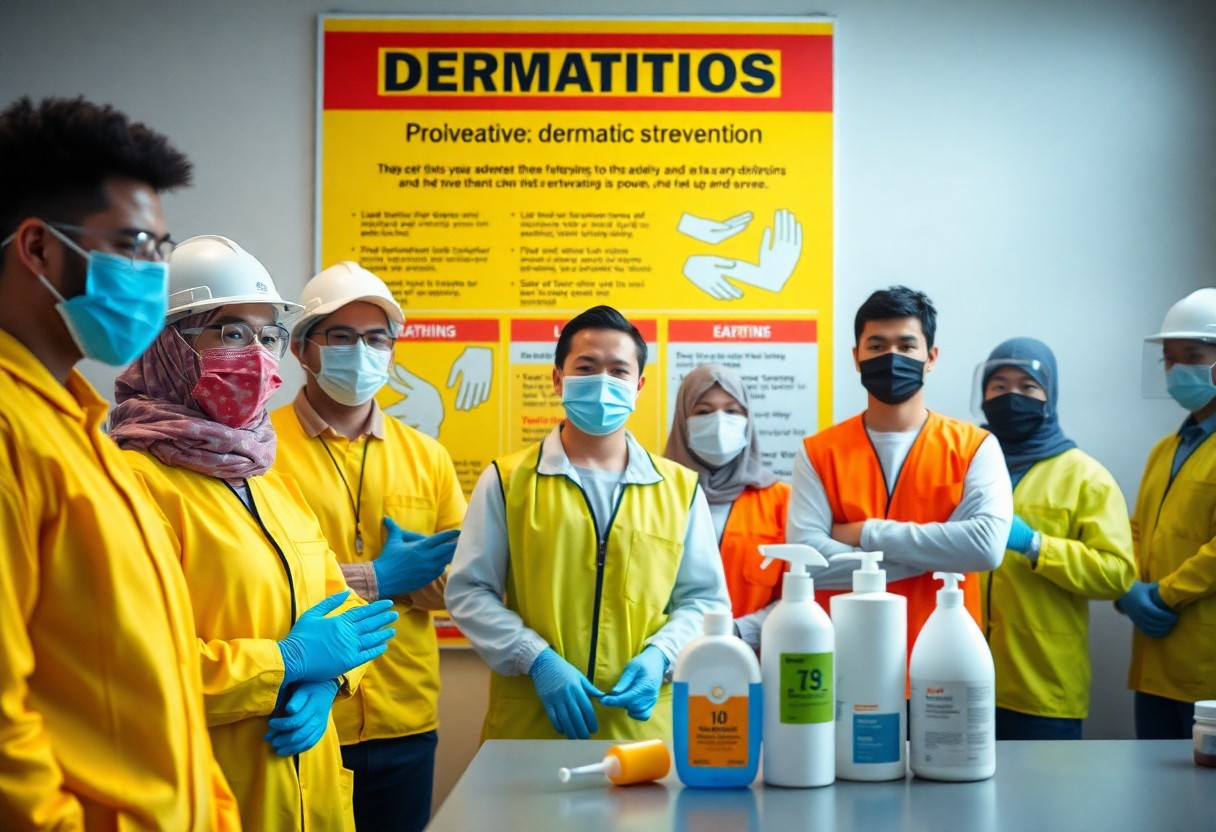
With proper awareness and proactive measures, you can effectively prevent dermatitis and protect your skin from irritants and allergens. Understanding the causes and symptoms of dermatitis is imperative to safeguarding your health. This guide will equip you with practical tips and strategies to minimize your risk, ensuring that your skin remains healthy and resilient in various work and life situations.
Key Takeaways:
- Identify and minimize exposure to irritants and allergens that contribute to dermatitis.
- Use appropriate personal protective equipment (PPE) to safeguard skin during work activities.
- Implement effective hand hygiene and moisturizing practices to maintain skin health.
Understanding Dermatitis
To effectively manage dermatitis, you must first understand its various forms and the mechanisms behind them. Dermatitis refers to the inflammation of the skin, often resulting in redness, itching, and irritation. It can arise from various causes, primarily categorized as either irritant-induced or allergic. Recognizing the differences between these types is imperative for effective prevention and treatment strategies.
Types of Dermatitis
There are several major types of dermatitis that you need to be aware of:
| Irritant Contact Dermatitis | Caused by exposure to irritating substances such as soaps or chemicals. |
| Allergic Contact Dermatitis | Triggers an allergic reaction to a specific substance, like nickel or poison ivy. |
| Atopic Dermatitis | A chronic condition often associated with allergies and asthma, commonly seen in children. |
| Seborrheic Dermatitis | Characterized by scaly patches and red skin, often in oily areas like the scalp. |
| Dyshidrotic Dermatitis | Often occurs on the hands and feet, causing itchy blisters, usually triggered by stress or humidity. |
- Understanding the specific type of dermatitis can lead to targeted treatments.
- Choosing the right personal protective equipment is vital.
- Maintaining a skincare routine can help manage symptoms effectively.
- Awareness of triggers is important for prevention.
- Knowing your skin’s reactions can guide your protective measures.
Symptoms and Diagnosis
Symptoms of dermatitis can vary depending on the type but often include redness, swelling, itching, and sometimes weeping or crusting of the skin. You may also experience dry, flaky skin or patches that appear to be irritated. For proper diagnosis, a healthcare professional may perform a physical exam and review your personal and family medical history. Patch testing may be employed to identify specific allergens that trigger your symptoms.
Providing your healthcare provider with detailed information about your symptoms, including when they occur and any potential contact with irritants or allergens, can significantly aid in the diagnostic process. This personalized approach ensures that you receive the most appropriate and effective treatment for your specific type of dermatitis.
Common Causes of Dermatitis
Irritants
Irritants are a leading cause of dermatitis, and they can be found in many everyday environments. Chemicals such as soaps, detergents, and solvents might cause your skin to react negatively, leading to inflammation and discomfort. Frequent exposure to these substances can break down your skin barrier, making it more susceptible to irritation. For instance, those who work in cleaning professions often develop irritant contact dermatitis due to constant handwashing and exposure to harsh chemicals.
Allergens
Allergens play a significant role in triggering dermatitis, particularly in individuals who have a predisposition to skin sensitivities. Common allergens include substances like nickel, found in jewelry, and various preservatives and fragrances present in cosmetics and personal care products. When your skin comes into contact with an allergen, the immune system responds, often resulting in redness, swelling, and itching in the affected area. This can be quite distressing, especially when you encounter allergens in items you use daily, making awareness crucial for prevention.
In addition to the commonly known allergens, consider less obvious sources like certain plants (e.g., poison ivy) or pet dander that can provoke reactions. Keeping a detailed log of products used and any subsequent skin reactions may help you identify specific allergens, guiding you toward safer alternatives that maintain your skin health.
Importance of Skin Protection
Role of Skin in Overall Health
Your skin serves as the first line of defense against external threats, including pathogens, allergens, and environmental hazards. It guards against infections and helps regulate body temperature, ensuring your overall well-being. Healthy skin also plays a vital role in preventing fluid loss, maintaining hydration, and supporting immune functions. Understanding the importance of skin protection can empower you to adopt preventive measures against dermatitis. For a deeper insight, check out A Comprehensive Guide to Occupational Dermatitis.
Long-term Effects of Neglect
Neglecting skin protection can lead to chronic skin conditions that not only affect your appearance but also compromise your health. Long-term exposure to irritants can result in persistent dermatitis, characterized by redness, itching, and inflammation. You may also develop infections or allergies to substances you once tolerated, worsening your skin’s condition over time. Individuals often underestimate these risks, believing that minor irritations will resolve on their own, only to face debilitating effects in the future.
The consequences of ignoring skin protection extend beyond discomfort. Continued neglect may lead to more severe conditions such as eczema or psoriasis, which can require ongoing medical treatment. Additionally, damaged skin can increase your vulnerability to infections, resulting in complications that significantly disrupt your daily activities. Prioritizing skin protection is vital not just for your appearance but also for your long-term health and productivity.
Prevention Strategies
Proper Skin Care Regimens
To effectively prevent dermatitis, establishing a proper skin care regimen is important. You should wash your skin with mild, fragrance-free soaps that do not strip your natural oils, which can leave your skin vulnerable to irritants. Following cleansing, apply a high-quality moisturizer suited to your skin type. Studies show that frequent moisturizing can significantly reduce the chances of developing dermatitis, especially for individuals with sensitive skin. Aim for a moisturizer that contains ingredients like ceramides or glycerin, which can enhance your skin’s barrier function.
In addition, you may want to incorporate products that offer additional protection against irritants. Barrier creams, for instance, can create a protective layer over your skin, helping to resist damage from harsh chemicals or environmental factors. Exfoliating regularly can also be beneficial, as it helps remove dead skin cells and promotes healthy skin renewal, making your skin less susceptible to irritation over time.
Use of Protective Gear
Using appropriate protective gear is vital in preventing dermatitis, especially in occupational settings where you are exposed to irritants or allergens. Depending on your work environment, you should consider using gloves, masks, or protective clothing to shield your skin from harmful substances. For example, if you frequently handle cleaning chemicals, wearing chemical-resistant gloves will significantly reduce skin exposure and minimize the risk of dermatitis development.
Furthermore, ensure that any protective gear fits well and is designed for extended wear. Poor-fitting gloves or clothing can lead to skin irritation and increased sweat buildup, which further exacerbates dermatitis risk. Selecting high-quality materials that allow your skin to breathe without compromising protection can make a significant difference in your overall skin health.

Workplace Safety Measures
Risk Assessment
You must conduct a thorough risk assessment to identify potential sources of dermatitis in the workplace. This involves evaluating the materials and substances your employees regularly interact with, such as cleaning agents, solvents, and personal care products. A systematic inspection of work environments can reveal irritants and allergens that pose risks. Establish a process for documenting findings, which should include the frequency and duration of exposure, as well as employee feedback regarding skin reactions.
Engaging your employees in this assessment encourages their awareness and proactive behavior in preventing dermatitis. By analyzing incident reports related to skin conditions, you can pinpoint trends and increase focus on specific hazards. The data collected will empower you to implement targeted interventions, such as ergonomic changes, alternative products, and protective equipment recommendations that mitigate these risks.
Training and Education
Implementing comprehensive training and education is vital in reducing dermatitis cases among your employees. Start by offering programs that educate staff on the types of irritants and allergens present in their work environment. Focus on the identification of symptoms and encourage early reporting of skin issues. By fostering a culture of awareness, you can help employees take their skin health seriously and adopt proactive measures.
Include practical demonstrations on the correct use of personal protective equipment (PPE) and emphasize the importance of personal hygiene practices, such as handwashing techniques and moisturizing after exposure to irritants. Regular refresher courses can keep safety in focus, ensuring that all employees remain informed and equipped to minimize their risk of developing dermatitis.
Further, you should involve external experts to provide specialized training sessions that research deeper into specific concerns relevant to your industry. This might include information on identifying hazardous materials or the proper use of safety gear. Collaborating with dermatologists or occupational health specialists can bring valuable insights, helping your workforce understand the long-term effects of dermatitis and the significance of immediate preventive actions.
First Aid for Dermatitis
Immediate Care
When you notice the first signs of dermatitis, act quickly to minimize your skin’s irritation. Rinse the affected area gently with lukewarm water to remove any irritants. You can apply a mild soap if necessary, but avoid scrubbing, as this can worsen the condition. After cleaning, pat the skin dry with a soft towel, without rubbing. Moisturizing immediately afterward can be beneficial; use a fragrance-free lotion to help restore the skin’s barrier. Over-the-counter hydrocortisone cream may also provide relief from itching and inflammation. Applying it in thin layers can help avoid excessive absorption.
If blisters form, do not pop them, as this can lead to infections. Instead, protect the area with a clean, non-stick bandage to keep it safe from further irritation. Cold compresses can also soothe itching and reduce swelling, providing immediate comfort until more comprehensive treatment can be given. Consistent monitoring of the dermatitis is imperative; if the condition worsens or does not improve, it may require further intervention.
When to Seek Professional Help
Consult a healthcare professional when home treatments do not provide relief after a week or so, or if signs of infection appear, such as increased redness, swelling, or pus. You should also seek help if you experience widespread dermatitis or have a severe allergic reaction, which might include symptoms like difficulty breathing or swelling in the face. Professional evaluation is particularly important if your symptoms are recurrent or if dermatitis significantly interferes with your daily activities.
Healthcare providers can prescribe stronger topical steroids or other medications tailored to your specific dermatitis type. Furthermore, they may recommend allergy testing to identify substances triggering your skin reactions. In some cases, a dermatologist may suggest advanced treatments such as light therapy or systemic medications for chronic conditions. Taking these steps ensures not only faster relief but also a better understanding of how to manage your skin effectively in the long term.
Final Words
So, ensuring the protection of your skin from dermatitis requires a proactive approach. You should identify potential irritants in your environment and implement appropriate measures to shield your skin. This includes wearing protective clothing, utilizing barrier creams, and maintaining good hygiene practices. Regularly assessing your skin and responding to any signs of irritation can go a long way in preventing long-term damage.
Additionally, educating yourself about the causes and symptoms of dermatitis enhances your ability to take preventive actions. Being aware of the products you use and opting for those formulated for sensitive skin can significantly mitigate risks. By prioritizing your skin health and taking decisive steps towards prevention, you can maintain your quality of life and ensure that dermatitis does not hinder your daily activities.
FAQ
Q: What is dermatitis and why is skin protection important?
A: Dermatitis is an inflammation of the skin that can result from various factors, including irritants, allergens, and environmental conditions. Protecting your skin is crucial to prevent irritation and maintain its health, especially when working with hazardous materials or in harsh environments.
Q: What are the common signs of dermatitis?
A: Common signs of dermatitis include redness, itching, swelling, dryness, and blisters. If you notice any of these symptoms after exposure to irritants or allergens, it is important to assess your skin care routine and seek professional advice if necessary.
Q: What preventive measures can be taken to avoid dermatitis?
A: Preventive measures include using protective gloves, moisturizing regularly, avoiding direct contact with irritants, and wearing appropriate clothing. Regular skin assessments and proper hygiene can also significantly reduce the risk of developing dermatitis.
Leave a Reply