Latest Blog Posts
Etiam placerat velit vitae dui blandit sollicitudin. Vestibulum tincidunt sed dolor sit amet volutpat. Nullam egestas sem at mollis sodales.
-

The Questions Leaders Ask After Bad News Shape What They Hear Next
You set the tone for truth the moment you respond to bad news. The questions you ask determine whether your team shares surface symptoms or root causes. A single dismissive reaction can close doors to critical insights, while curiosity protects the flow of honest feedback. What you hear next depends…
-

The Safety Consequences of Doing More Work with Fewer People
You’re expected to maintain the same output despite shrinking teams, but as responsibilities multiply, the risk of oversight grows. Understaffing doesn’t just strain morale-it directly compromises safety. In high-stakes environments like manufacturing or healthcare, even minor lapses can trigger catastrophic failures. When fatigue sets in and attention frays, procedures get…
-

The Most Dangerous Sentence a Senior Leader Can Say After an Incident
Most leaders believe they’re promoting accountability when they ask, “Who made this mistake?” but that single question triggers fear, shuts down transparency, and protects the very systems that caused the failure. You’re not just identifying a person-you’re shaping the entire response culture, and that shift happens in seconds. Key Takeaways:…
-
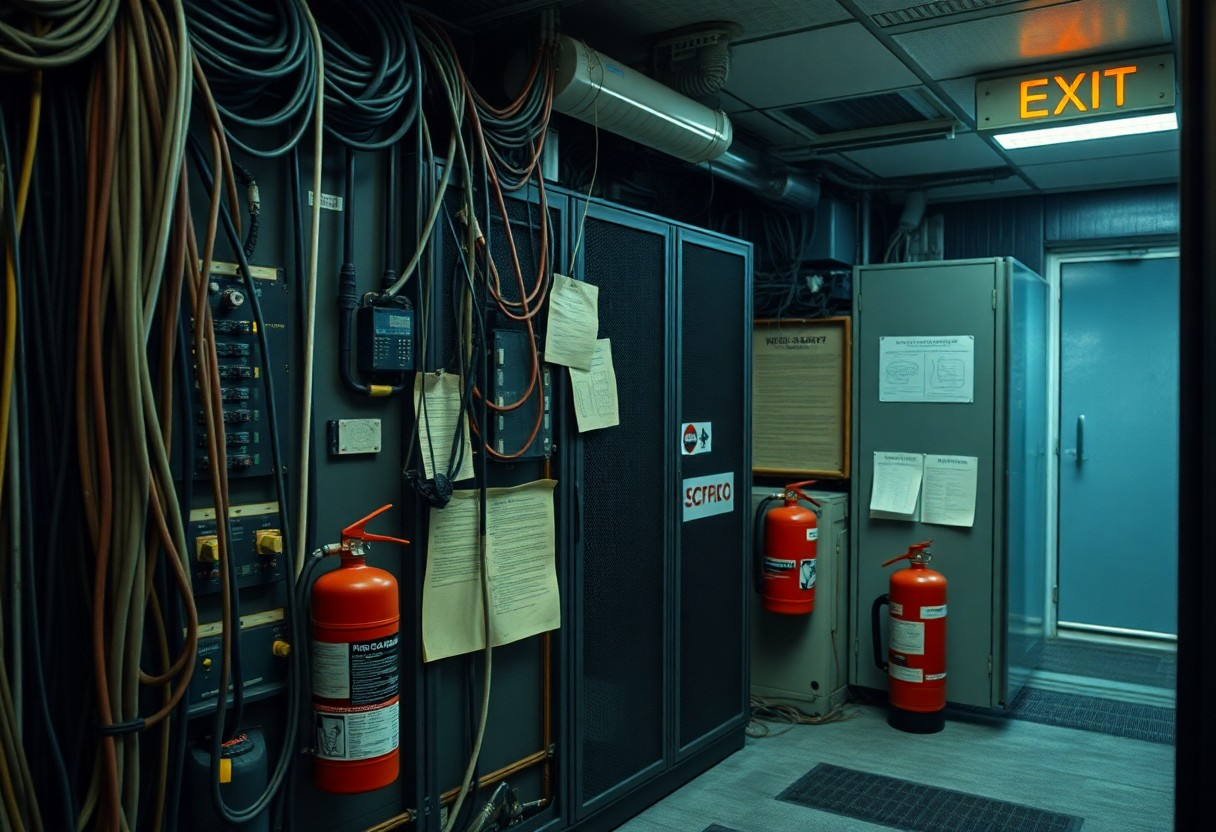
Before the Serious Incident – What Organizations Usually Miss
Awareness of risk often arrives too late, after systems fail and reputations crumble. You assume safeguards are working, but silent failures go unnoticed until a minor flaw triggers a major crisis. What you overlook-routine deviations, unreported errors, complacency in success-is often more dangerous than the incident itself. This gap in…
-

The Compliance Gap That Often Remains Invisible Until Someone Gets Hurt
It’s easy to assume your organization is compliant when documents are signed and audits passed, but real risk often hides in plain sight. You follow procedures, check boxes, and train staff, yet gaps in enforcement or interpretation can persist for years. These oversights rarely surface until an incident occurs, making…
-

The Evidence That Starts Disappearing Minutes After an Incident
There’s a critical window of minutes after an incident where evidence begins vanishing, often before investigators arrive. Physical traces degrade, witness memory distorts, and environmental factors erase clues silently. You’re responsible for recognizing these losses in real time, whether it’s a slip-and-fall or a machinery failure. A mid-sized SaaS firm…