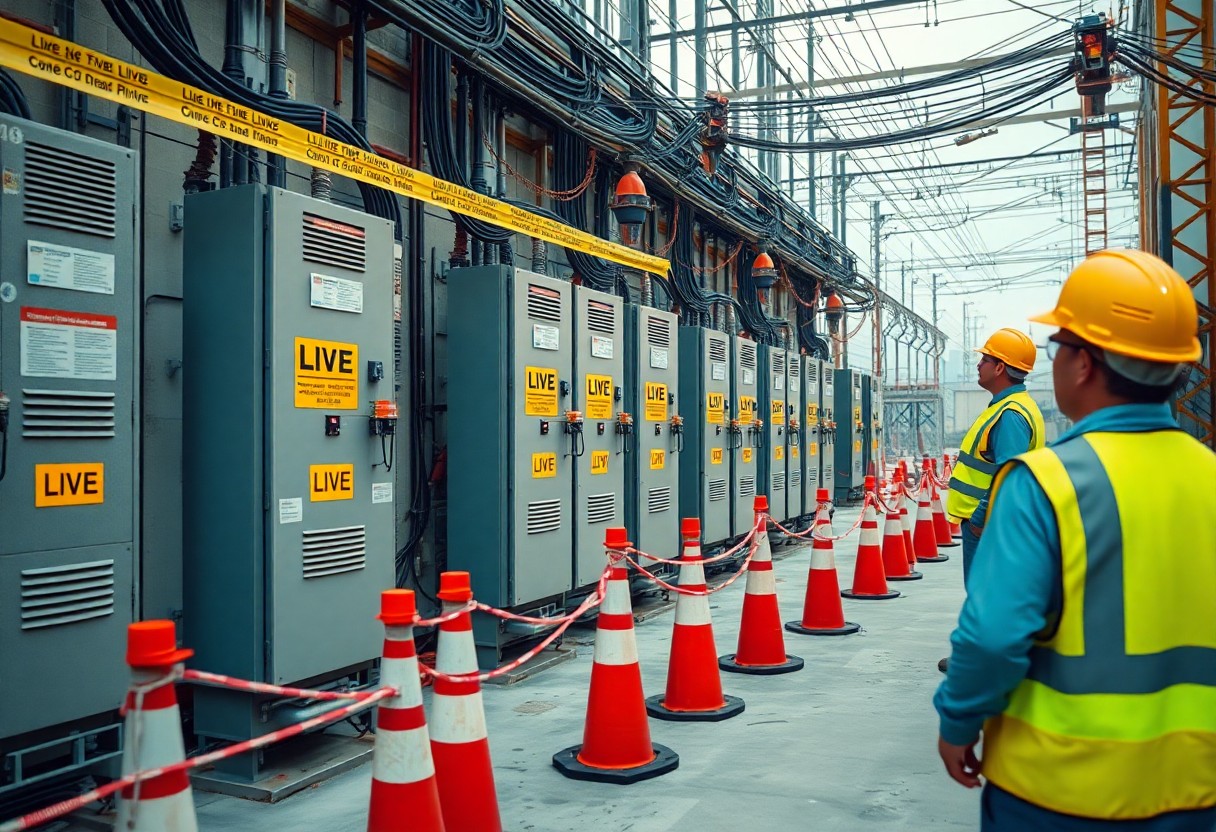
It’s important to understand the dangers associated with arc flash incidents and how to protect yourself around live electrical panels. Electrical arcs can occur unexpectedly and result in severe injuries or fatalities. By maintaining a safe distance and adhering to proper safety protocols, you can significantly reduce the risk of an incident. This guide will provide you with vital information and strategies to enhance your awareness and safety practices concerning arc flash hazards.
Key Takeaways:
- Maintain a safe distance from live electrical panels to prevent arc flash incidents.
- Use appropriate personal protective equipment (PPE) when working near electrical hazards.
- Regularly conduct safety training and awareness programs to enhance understanding of arc flash risks.
Understanding Arc Flash
Definition of Arc Flash
Arc flash refers to a sudden and intense release of energy caused by an electrical arc, typically occurring when a live electrical component is inadvertently contacted or compromised. This phenomenon can generate extreme temperatures, reaching up to 35,000 degrees Fahrenheit, which is hotter than the surface of the sun. The result is a rapid expansion of air that can cause a pressure wave, molten metal splatter, and severe thermal burns. The potential for injury and structural damage makes understanding arc flash critical for anyone working near electrical equipment.
In practical terms, an arc flash occurs within electrical enclosures, such as panels or circuit breakers, where electrical faults or short circuits lead to a low-resistance path through the air. The arc creates a pathway of ionized gas which allows for a continuous flow of current, amplifying the danger associated with electrical hazards. You should be aware that arc flash incidents are not limited to high voltage environments; they can happen in low voltage settings as well, making vigilance crucial.
Causes of Arc Flash Events
Several factors can lead to arc flash events, including equipment failure, improper maintenance, and human error. For instance, dust accumulation or moisture can cause insulation breakdown, while loose connections can generate enough heat to create an arc. Inadequate labeling or lack of proper training further increases risk, leaving workers unaware of the dangers they face when working near energized equipment. A study by the National Fire Protection Association indicates that nearly 80% of electrical accidents are caused by unsafe work practices.
Equipment manufacturer defects or outdated gear can also play a significant role in these incidents. Over time, components can degrade, and failing to replace or repair them can ultimately lead to arc flash conditions. You should consider factors such as load conditions, environmental factors, and even seasonal changes that can affect equipment reliability. Recognizing the signs of potential failure and implementing routine inspections and maintenance can significantly reduce the occurrence of arc flash events.
Dangers of Arc Flash
Potential Injuries and Fatalities
An arc flash can lead to severe injuries and even fatalities. When an arc flash occurs, temperatures can reach as high as 35,000°F, which is four times hotter than the surface of the sun. Burns, ranging from first to third degree, are common, along with hearing loss from the intense sound waves generated. Your vision is also at risk; the blinding light produced by an arc flash can cause temporary or even permanent blindness. In some cases, the blast’s force can throw you across a room, resulting in fractures or concussions. Statistics indicate that arc flash incidents have caused numerous fatalities; in fact, the Electric Safety Foundation International reports that arc flash incidents account for approximately 30% of electrical fatalities in the workplace.
The risk increases significantly when you work near energized equipment without proper protective gear. It’s important to understand that the danger isn’t just from the heat or light of the flash; it also includes the potential for flying molten metal and shrapnel. Even if you are not in direct contact with the energized source, the arc flash can create hazardous conditions that pose serious threats to anyone nearby. Awareness and adherence to safety protocols can help mitigate these severe consequences.
Financial and Equipment Damage
The financial implications of an arc flash incident can be staggering. According to industry reports, the average cost of an arc flash incident can range from tens of thousands to millions of dollars, depending on the severity and scope of the event. Not only can downtime from equipment failure lead to productivity losses, but the physical damage to machinery and infrastructure also requires costly repairs or replacement. Organizations often face increased insurance premiums and litigation costs, which compound the financial strain from an incident.
Your electrical systems and equipment can suffer irreversible damage during an arc flash, putting a halt to operations and requiring extensive repairs. Downtime and loss of production not only affect immediate revenue but can also result in long-term customer dissatisfaction and a tarnished reputation. Investing in preventive measures, safety training, and protective equipment is far less costly than dealing with the repercussions of an arc flash event.

Safety Standards and Regulations
Overview of Relevant OSHA Standards
Your compliance with OSHA standards is vital for ensuring safety in environments that involve electrical work. The Occupational Safety and Health Administration outlines regulations under Standard 1910.269, which pertains to electric power generation, transmission, and distribution. Understanding this standard helps you identify vital safety protocols, particularly related to arc flash hazards and the required protective equipment. Failure to adhere to these regulations not only puts workers at risk but can also lead to significant penalties for your organization.
OSHA’s requirement for personal protective equipment (PPE) also includes Standard 1910.132, emphasizing that employers must conduct hazard assessments to determine necessary protective measures. For arc flash scenarios, this often equates to wearing flame-resistant clothing and appropriate face shields. By developing a comprehensive understanding of these regulations, you can help ensure that all employees are adequately trained and equipped to respond to potential electrical hazards.
Industry Best Practices
Implementing industry best practices is vital for minimizing risks associated with arc flash incidents. Regularly scheduled electrical safety training should be mandatory for all personnel working near live electrical equipment. This training should encompass recognizing hazards, understanding proper usage of PPE, and maintaining a clear understanding of lockout/tagout procedures. Additionally, you should ensure that safety signage is clearly visible and that electrical panels have proper access paths, helping individuals stay aware of potential risks.
Routine audits and risk assessments form the backbone of effective safety protocols. These assessments not only identify potential issues but also ensure that existing safety measures meet current industry standards. Incorporating measures such as infrared thermography can provide insights into the condition of electrical connections, identifying hot spots before they escalate into serious problems. By establishing a strong safety culture rooted in these best practices, your workplace will be better prepared to prevent arc flash incidents.
Personal Protective Equipment (PPE)
Types of PPE for Arc Flash Protection
Your first line of defense against arc flash hazards is the proper selection of personal protective equipment (PPE). Key types of PPE include flame-resistant clothing, helmets, and face shields specifically designed for arc flash protection. In fact, PPE garments are rated according to their Arc Rating (ATPV), which indicates their protective capacity in cal/cm². This rating helps you determine the appropriate PPE based on the arc flash hazard levels present in your workspace.
Additionally, you should equip yourself with safety gloves and insulating footwear, which are important in safeguarding against electrical hazards. Regularly check the integrity of your PPE to ensure it meets safety standards. Seek further insights on the topic by visiting Arc Flash Safety: How to Prevent Arc Flash for best practices.
- Flame-resistant clothing
- Arc-rated gloves
- Face shields and helmets
- Insulating footwear
- Safety glasses
Assume that your PPE is only as effective as it is properly used and maintained.
| PPE Type | Purpose |
|---|---|
| Flame-resistant clothing | Protects against thermal energy |
| Arc-rated gloves | Prevents electrical burns |
| Face shields | Guards against facial injuries |
| Insulating footwear | Prevents electrical shock |
| Safety glasses | Protects eyes from debris |
Proper Use and Maintenance of PPE
Using PPE correctly involves understanding its limitations and ensuring it’s suited to the specific tasks you perform. Always inspect your PPE before use for any signs of wear or damage. If you identify any defects, replace the item immediately to maintain your safety. Establish a routine maintenance schedule to clean and care for your equipment according to manufacturers’ guidelines, as poorly maintained PPE can fail to provide the necessary protection.
Be mindful of the environment in which you work; factors like temperature, humidity, and contaminants can affect the performance of your PPE. It’s important that you are trained to correctly wear and use your protective gear to ensure optimal effectiveness, including understanding how to layer clothing appropriately for varying arc flash risk levels. A proactive approach to your PPE use and maintenance will significantly reduce the risks you face in the event of an arc flash incident.
Safe Work Practices
Establishing a Safety Protocol
Implementing a safety protocol is key to minimizing risks associated with arc flash incidents. Start by conducting a thorough risk assessment of your workplace to identify potential arc flash hazards near live electrical panels. Ensure that the protocol outlines procedures for safe operation, including lockout/tagout (LOTO) procedures when performing maintenance. You should also establish clear communication channels for reporting unsafe conditions, ensuring that all employees know how to escalate concerns effectively.
Your safety protocol must include specific measures for the use of personal protective equipment (PPE), such as insulating gloves, face shields, and arc-rated clothing, which should be accessible to all employees. Regular inspections and drills should be integrated into your safety protocol to reinforce adherence to safety practices. Document and review these protocols periodically to adapt to any changes in workplace conditions or technologies.
Importance of Training and Awareness
Training and awareness play pivotal roles in fostering a culture of safety around electrical hazards. You must ensure that all personnel who may interact with live electrical panels receive comprehensive training tailored to their job functions. This training should cover the principles of arc flash, identification of potential risks, and proper emergency response procedures. Periodic refresher courses will reinforce knowledge and keep safety top-of-mind for you and your colleagues.
Awareness campaigns can include signage in high-risk areas, safety meetings, and interactive training sessions that illustrate real-life scenarios. Engaging employees in discussions about their experiences and observations can enhance their understanding and vigilance regarding safety practices. Ultimately, a well-informed workforce is more likely to take proactive measures and adhere to established protocols.
The emphasis on training cannot be overstated; statistics show that workplaces with rigorous safety training programs have a lower incidence of electrical accidents. For instance, organizations that implemented structured training observed a 30% reduction in safety breaches within the first year. Prioritizing continuous learning enables employees to stay updated on best practices, thus positioning safety at the forefront of your work environment.
Emergency Response
Immediate Actions to Take During an Arc Flash
In the event of an arc flash, your first step should be to assess the situation quickly and determine if it is safe to help others. If you are in a position to act, immediately alert nearby personnel to the incident. Evacuate the area to a safe distance—ideally, at least 30 feet away from the electrical panel. Do not attempt to investigate or turn off equipment until the area is declared safe by a qualified individual. The use of personal protective equipment (PPE) is vital for anyone who may need to engage during the emergency.
If injuries have occurred, your priority should shift to medical assistance. Call emergency services and provide clear information about the situation and the location. If feasible, administer first aid only if you are trained and it is safe to do so. Keep a clear path for emergency responders, and stay away from any affected electrical equipment until professionals arrive.
Reporting and Documentation
After attending to immediate safety concerns, it’s vital to document the incident thoroughly. Fill out an incident report detailing the time, location, personnel involved, and any actions taken during the emergency. Include specific observations, such as the nature of the arc flash and environmental conditions that may have contributed to the event. This documentation is not only vital for internal safety reviews but also necessary for compliance with regulatory reporting requirements.
Effective documentation aids in identifying patterns that could lead to future incidents. By analyzing reports, safety teams can implement preventive measures and enhance training programs. Consistently reviewing and addressing these findings ensures ongoing improvements in safety protocols and reinforces a culture of safety within your organization.
Conclusion
Ultimately, prioritizing arc flash safety by staying clear of live electrical panels is vital for protecting you and your colleagues from potentially dangerous electrical incidents. Understanding the risks associated with electrical panels and adhering to safety protocols can significantly reduce the likelihood of accidents. By remaining aware of your surroundings and ensuring that proper safety gear is worn when working near these areas, you can create a safer work environment for everyone.
It is your responsibility to stay informed about arc flash safety standards and to engage in ongoing training. Familiarizing yourself with emergency procedures and maintaining open communication with your team can also enhance workplace safety. By taking these proactive steps, you contribute to a culture of safety that safeguards not only your well-being but also that of those around you.
FAQ
Q: What is arc flash and why is it a concern in electrical safety?
A: Arc flash is a dangerous electrical explosion that occurs when there is a fault in the electrical system, leading to a release of energy through the air. It is a concern because it can result in severe injuries, burns, or fatalities to personnel nearby and can cause significant damage to equipment and facilities.
Q: How can workers ensure safety around live electrical panels?
A: Workers can ensure safety by maintaining a safe distance from live electrical panels, wearing appropriate personal protective equipment (PPE), and following established lockout/tagout procedures. They should also be trained to recognize warning signs and understand emergency protocols related to electrical hazards.
Q: What should be included in an arc flash safety training program?
A: An arc flash safety training program should include topics such as understanding arc flash hazards, recognizing warning labels, proper use of PPE, safe work practices near electrical equipment, and emergency response protocols. It should also provide practical exercises and scenarios to reinforce learning.
Leave a Reply