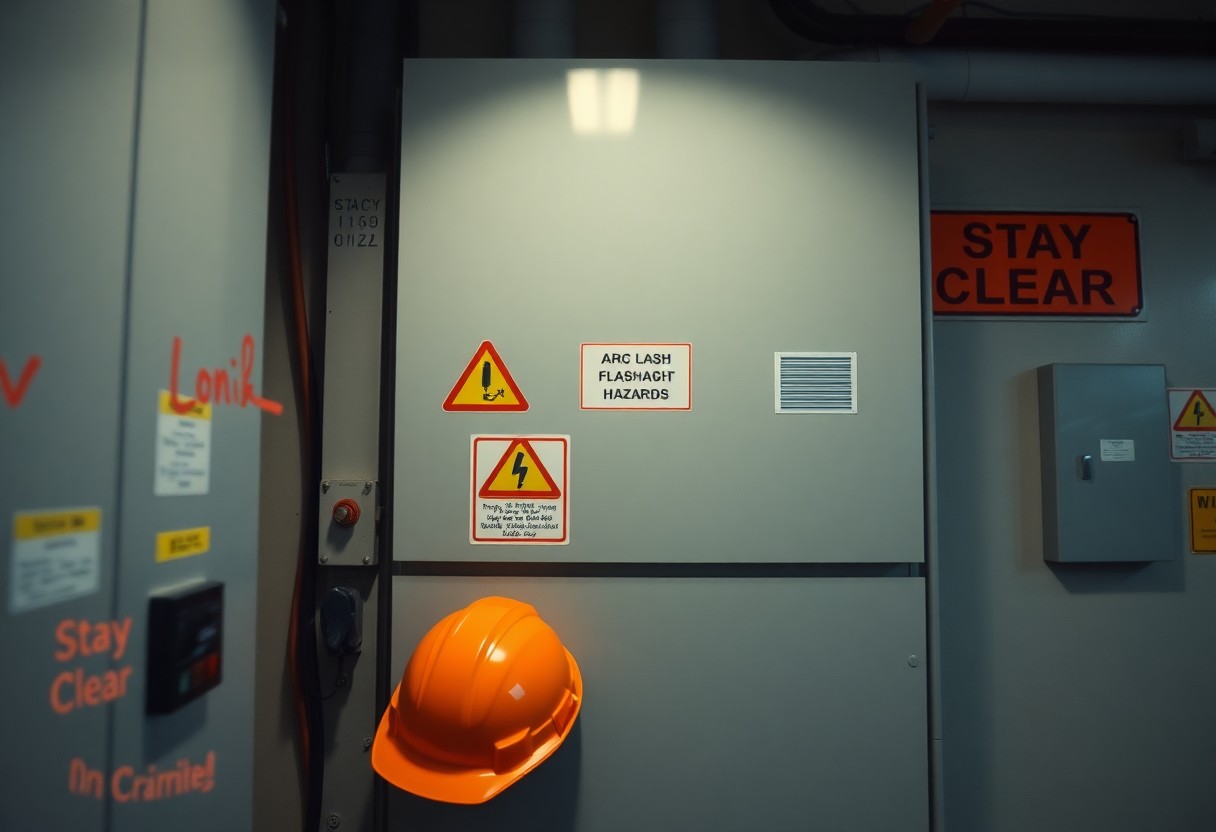
With the potential for severe injuries or fatalities, understanding arc flash safety is necessary for anyone working near live electrical panels. You must be aware that live electrical equipment can emit dangerous energy, which poses serious risks such as burns, hearing loss, and even death. By prioritizing safety and maintaining a clear distance of at least three feet from energized panels, you can protect yourself from these hazards. Always use proper personal protective equipment and stay educated on electrical safety standards to ensure a safer workplace.
Key Takeaways:
- Maintain a safe distance from live electrical panels to avoid arc flash incidents.
- Use personal protective equipment (PPE) when working near energized electrical systems.
- Regularly inspect and maintain electrical panels to reduce the risk of arc flash events.
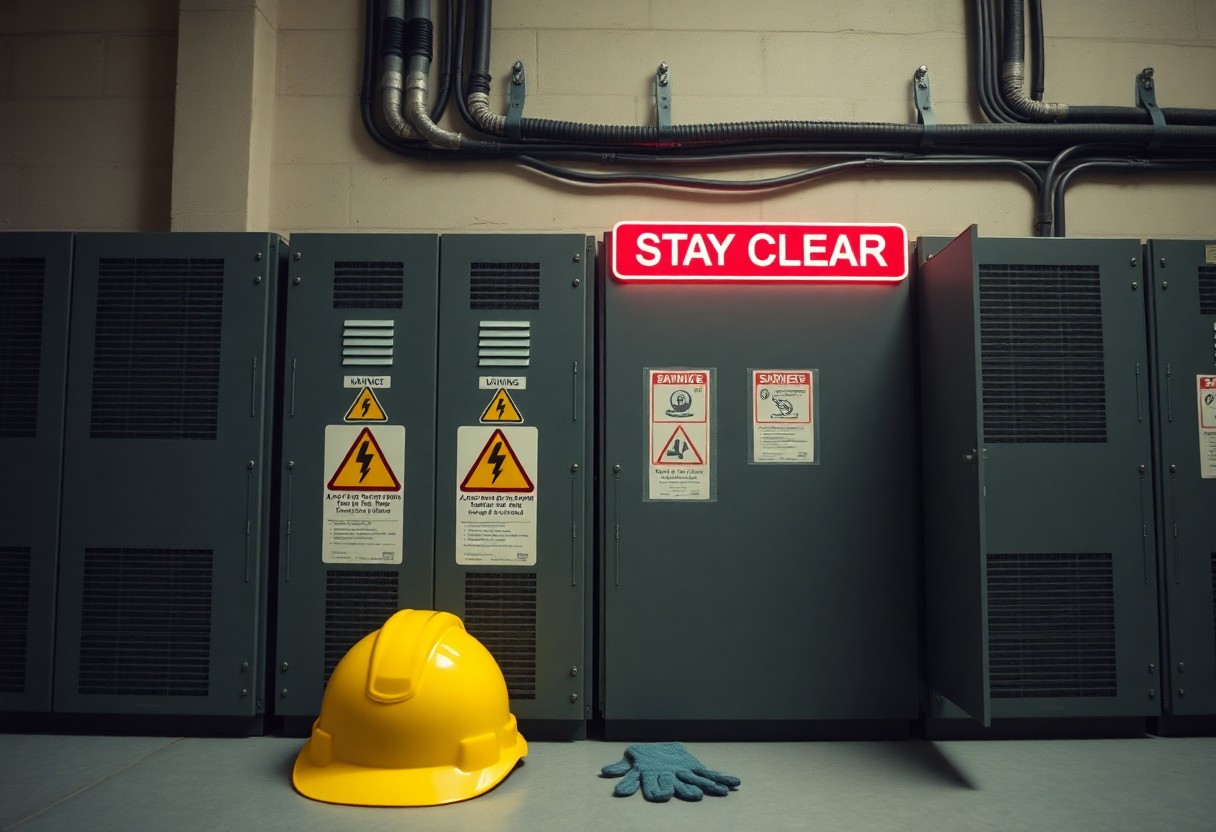
Understanding Arc Flash
What is Arc Flash?
Arc flash is a dangerous electrical occurrence that can produce intense heat and pressure waves, often exceeding temperatures of 35,000 degrees Fahrenheit. This phenomenon occurs when an electrical fault creates a conductive path through the air, resulting in a sudden release of energy. The consequences can be devastating, leading to severe burns, hearing loss, or even fatalities if proper precautions are not taken.
The potential for arc flash incidents exists in any environment where electrical equipment is present. Equipment failure, maintenance activities, or accidental contact can all trigger an arc flash. Having a solid understanding of this risk is important for anyone working around live electrical panels.
Causes of Arc Flash
Several factors can lead to arc flash events, with equipment wear and tear being one of the primary contributors. Over time, components can degrade, resulting in insulation failure or loose connections. Additionally, human error, such as poor maintenance practices or inadequate training, can significantly increase the likelihood of these incidents. Even environmental factors like dust and moisture can create conditions ripe for an arc flash to occur.
Another significant cause is the introduction of conductive materials into electrical systems. This could include tools accidentally being dropped into panels, or even sweat and moisture from your hands creating a pathway for current. Awareness of these potential hazards is key to preventing arc flash incidents.
Conductive elements can often be surprisingly small, making it important to stay vigilant and maintain clean work environments. Understanding and mitigating the risks associated with these common causes is vital to ensuring safety when working with or near live electrical equipment.
Risks and Hazards
Potential Injuries
Engaging with live electrical panels exposes you to severe arc flash potential, which can lead to life-altering burns, hearing loss, and even fatal injuries. When an arc flash occurs, the temperatures can reach upwards of 35,000 degrees Fahrenheit, causing thermal burns within seconds. Additionally, the force of the explosion can result in blunt force trauma from flying debris. Protective equipment might mitigate some risks, but it cannot guarantee complete safety in presence of live electrical components.
You must also consider the potential for secondary injuries, which can be just as catastrophic. An electric shock can cause loss of muscle control, resulting in falls from heights or into hazardous areas. According to the National Fire Protection Association (NFPA), the leading cause of electricity-related injuries on job sites stems from improper handling of energized equipment, emphasizing the critical importance of comprehensive training regarding electrical safety.
Economic Impacts
The ramifications of arc flash incidents extend beyond personal injury. The cost implications of an electrical accident can be staggering, often reaching into the hundreds of thousands or even millions of dollars. Direct costs like hospital bills, legal fees, and compensation claims quickly accumulate, alongside indirect costs such as lost productivity and potential fines from regulatory bodies for safety violations. For example, companies may be assessed hefty penalties under OSHA regulations if found in non-compliance with safety standards.
In addition to immediate expenses, your organization may face longer-term economic repercussions. Equipment damages, insurance premiums, and the potential loss of experienced personnel can hinder operational efficiency. A detailed study showed that companies involved in serious arc flash incidents can see a 20% increase in insurance costs following an accident, compounding the financial burden over time.
Safety Standards and Regulations
Relevant OSHA Guidelines
Understanding OSHA standards is crucial for anyone working around live electrical panels. OSHA mandates that employees be trained to recognize the hazards associated with electrical systems and to follow safe work practices. Specifically, OSHA’s 29 CFR 1910.303 requires that electrical equipment be free from recognized hazards that could cause injury or death. You must also ensure that appropriate lockout/tagout procedures are implemented to prevent accidental energization while performing maintenance.
OSHA emphasizes the importance of conducting arc flash assessments to analyze potential risks and the corresponding safety measures to mitigate them. You should regularly review and adhere to these guidelines, as OSHA actively enforces compliance, and violations may result in significant fines or, more importantly, severe injury or loss of life.
NFPA 70E Compliance
NFPA 70E provides standards specific to electrical safety in the workplace, focusing on arc flash hazards and demands a detailed approach to electrical safety protocols. This standard outlines methods for conducting arc flash risk assessments, determining necessary personal protective equipment (PPE), and establishing safe work practices. You must familiarize yourself with these requirements to maintain compliance, which includes documenting safety procedures and training efforts.
Non-compliance with NFPA 70E can expose you and your organization to increased risk of life-threatening incidents, legal ramifications, and financial losses. Annually reviewing and updating your safety procedures in accordance with NFPA 70E can significantly reduce these risks, offering a safer work environment for everyone involved.
Adhering to NFPA 70E isn’t just about compliance; it’s a proactive step toward enhancing workplace safety culture. By ensuring all workers understand the risk assessments and are equipped with the necessary PPE, you create an atmosphere of accountability and preparedness vital in preventing arc flash incidents. Regular training sessions and refreshers reinforce this safety culture, keeping safety top-of-mind in daily operations.
Personal Protective Equipment (PPE)
Types of PPE for Electricians
Your safety as an electrician heavily relies on appropriate Personal Protective Equipment (PPE). Essential gear includes flame-resistant clothing, insulated gloves, and safety footwear designed to withstand electrical hazards. Each component serves a specific purpose in minimizing risk, ensuring you are protected from potential injuries caused by arc flashes or electrical shocks.
Common types of PPE that you should consider are:
| Item | Description |
| Flame-Resistant Clothing | Protects against burns from heat and flames. |
| Insulated Gloves | Prevents electrical shock while providing grip. |
| Safety Helmets | Shields head from falling objects and electrical hazards. |
| Face Shields | Protects face and eyes from splashes and debris. |
| Hearing Protection | Reduces noise exposure from machinery operations. |
This gear is crucial not just for compliance but also for your long-term safety while working on live electrical systems.
Proper Use and Maintenance
Using PPE correctly is vital for maximizing its protective qualities. Ensure your gear fits well and is appropriate for the specific tasks you’re performing. Regular inspections are necessary to identify any wear and tear. Damaged PPE should be repaired or replaced immediately to avoid compromising your safety.
Maintenance extends beyond simple inspections. Clean your PPE according to manufacturer guidelines, as contaminants can affect its effectiveness. Proper storage in a dry, safe area keeps your equipment in optimal condition, ensuring that when you need it, you can rely on its full protective capabilities.
Safe Work Practices
Importance of Lockout/Tagout Procedures
Your adherence to Lockout/Tagout (LOTO) procedures is vital in ensuring your safety while working on or near live electrical panels. LOTO involves the use of locks and tags to secure energy-isolating devices, preventing the unexpected energization of equipment during maintenance. This practice significantly reduces the risk of accidents, as approximately 10% of electrical injuries result from failures in LOTO procedures. Implementing comprehensive LOTO protocols can help you avoid potentially fatal incidents and maintain a safer work environment.
Consider that effective LOTO procedures require not just the application of physical locks and tags but also comprehensive training for all employees. You should be well-versed in identifying all energy sources, understanding the removal process, and ensuring proper communication among the team here. OSHA mandates that workers must be trained to prevent hazardous situations, further emphasizing the importance of consistent LOTO practices to safeguard your well-being and that of your colleagues.
Creating a Safety Culture
Fostering a robust safety culture within your workplace is imperative to reducing the risk of electrical hazards. This means encouraging open communication about safety practices and ensuring that all team members feel empowered to voice concerns or request additional safety measures. You should actively participate in safety meetings and be involved in reviewing safety policies to remain engaged with the organization’s safety outlook.
A strong safety culture promotes accountability and ensures that everyone prioritizes safety over productivity. Regular training sessions can reinforce the importance of safe work practices, making you and your coworkers more aware of potential hazards. Sharing near-miss incidents can also serve as powerful learning moments, aiding in the prevention of future accidents.
Training and Education
Importance of Continuous Learning
Your understanding of arc flash safety should evolve with changing technologies and standards. Continuous learning enables you to stay updated on the latest safety protocols, regulatory changes, and hazard recognition techniques. Engaging in regular training ensures that you maintain a high level of competency, reducing the risk of accidents. Statistics show that incidents decrease in workplaces that prioritize ongoing education, underscoring your responsibility to stay informed.
Participating in refresher courses or advanced classes not only enhances your skill set but also empowers you to train others. As you become knowledgeable about Safety Precautions for Electricians Working with Electrical …, you contribute to creating a culture of safety within your team. This growth fosters collaboration and helps everyone involved understand the significance of safety measures in protecting lives and reducing injuries.
Resources for Arc Flash Training
Numerous resources are available to support your training regarding arc flash safety. Online courses offered by reputable organizations provide flexibility while maintaining high educational standards. You can explore options like the National Fire Protection Association (NFPA), which has a range of materials focusing on electrical safety and arc flash mitigation strategies. Furthermore, industry-specific training can be found through local electric organizations and unions, which often deliver workshops tailored to meet the unique challenges of your work environment.
Additionally, companies that specialize in safety equipment frequently offer valuable training resources. These organizations not only provide insights into the importance of proper PPE but also facilitate hands-on training sessions that help you practice responding to arc flash incidents effectively. Collaboration with safety consultants can also enhance your training program, delivering tailored content that targets your specific needs. By utilizing these resources, you invest in a safer work environment for yourself and your colleagues.
To wrap up
Summing up, prioritizing arc flash safety is vital when working around live electrical panels. By understanding the potential hazards and maintaining a safe distance from energized equipment, you significantly reduce the risk of accidents and injuries. Familiarize yourself with the relevant safety standards and practices to ensure that you are prepared in the event of an emergency.
Your commitment to following established safety protocols can make a significant difference in your work environment. Always use appropriate personal protective equipment (PPE) and be aware of the surroundings when dealing with electrical installations. This vigilance not only protects you but also contributes to the overall safety culture in your workplace.
FAQ
Q: What is an arc flash and why is it dangerous?
A: An arc flash is a high-voltage electrical discharge that occurs when electrical current travels through the air between ungrounded conductors or between a conductor and the ground. It can produce intense heat, light, and pressure, causing severe injuries or fatalities to personnel nearby, as well as damaging equipment.
Q: What safety measures should be taken when working near live electrical panels?
A: Always wear appropriate personal protective equipment (PPE) such as insulating gloves, flame-resistant clothing, and safety glasses. Ensure that only qualified personnel operate or maintain live electrical panels. Establish a safety boundary to keep unqualified individuals at a safe distance, and utilize lockout/tagout procedures when performing maintenance.
Q: How can organizations promote arc flash safety among employees?
A: Organizations can offer regular training sessions focused on electrical safety and the risks associated with arc flash incidents. Conducting periodic safety audits and risk assessments of electrical systems, providing clear safety signage, and implementing comprehensive emergency response plans will also help enhance awareness and compliance.
Leave a Reply