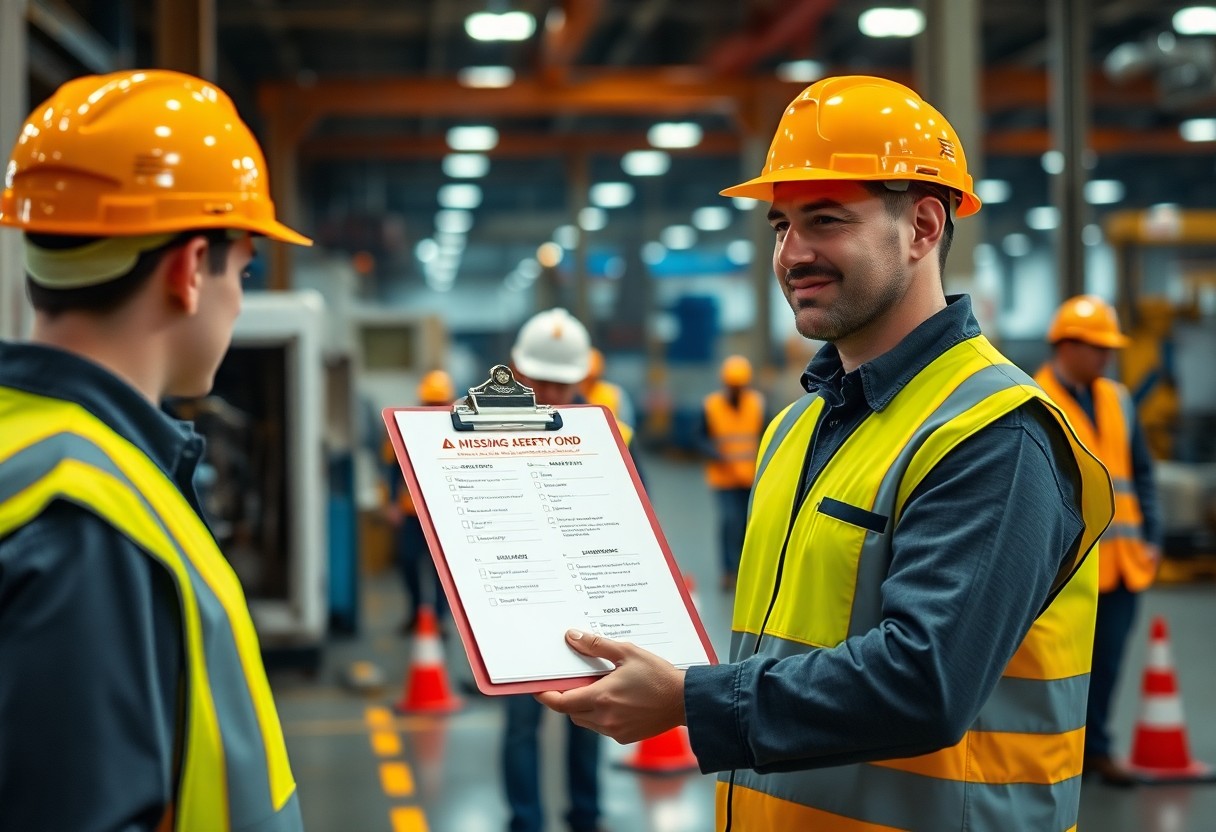
With every shift, your frontline employees encounter the real-world pressures and physical realities that expose where safety protocols fail. They see the most dangerous shortcuts, experience the gaps in enforcement, and often adapt procedures silently to get work done. Their daily experience holds the clearest map of system weaknesses-and the best path to meaningful improvement.
Invisible Fractures in Protocol
You notice when a safety checklist skips a step that only becomes obvious during a night shift under poor lighting. These gaps aren’t in the manual, yet they’re known to anyone who’s operated the press or climbed the ladder. Procedures that look flawless on paper often fail in dim corners or during shift changes, where memory fills in missing instructions. A technician in a mid-sized SaaS firm might patch a server flaw silently, just as a warehouse worker bypasses a faulty guard because the override is faster. The real risk lies in these unrecorded workarounds, repeated until they become routine.
The Tipping Point of Non-Compliance
One missed shortcut leads to another, and soon workers bypass safety steps without thinking. You’ve seen it happen when checklist fatigue sets in or equipment isn’t where it should be. A mid-sized SaaS firm may tolerate minor deviations, but in physical workplaces, each lapse increases the odds of injury. When procedural gaps become routine, compliance collapses silently, often just before an incident. Review the Foundations of a Workplace Safety Program to recognize early warning signs before they become standard practice.
Why Frontline Wisdom Often Stays Silent
You stay quiet not because you don’t care, but because speaking up risks your standing, your shift assignment, or worse. Fear of retaliation-often subtle, never documented-keeps critical insights buried. A worker at a Midwest manufacturing plant once noted a recurring lockout issue but said nothing after seeing a colleague written up for raising concerns. Your silence isn’t indifference, it’s self-preservation. OSHA recognizes this imbalance and affirms your right to report hazards without fear; learn more at Worker Rights and Protections | Occupational Safety and …. Retaliation remains one of the most underreported yet widespread barriers to safety improvement.
Bridging the Hierarchy Gap
Frontline workers see hazards the moment they emerge, yet their warnings rarely reach decision-makers in time. Organizational layers often delay or dilute critical feedback, creating a dangerous lag between observation and action. When a mechanic notices a frayed wire on a lift truck, the risk grows with every minute it goes unreported. You can close this gap by implementing direct reporting channels-such as anonymous digital logs or weekly safety huddles with supervisors-that ensure worker insights reach those who can act immediately. A mid-sized manufacturing plant reduced incident response time by over half after introducing shift-level safety briefings attended by operations leads. Real change starts when you stop waiting for problems to rise and start building pathways for truth to move sideways and upward without friction.
Redesigning Safety Through Real-World Eyes
Workers on the ground see what manuals miss, noticing dangerous shortcuts that become routine when procedures don’t match reality. A mid-sized SaaS firm found its warehouse team bypassing lockout-tagout steps because the official process took 18 minutes longer than the task itself. When you redesign safety protocols using frontline observations, compliance isn’t enforced-it becomes logical. Real change starts when supervisors stop assuming they know best and start documenting what actually happens during a shift.
To wrap up
Your workers see the flaws in safety protocols long before incidents occur, noticing misaligned equipment placements, inconsistent communication during shift changes, or shortcuts taken under production pressure. A technician bypassing a lockout tag because the procedure takes 12 minutes to complete raises a red flag not about behavior but process. When you actively solicit and act on their observations, you shift from reactive fixes to proactive design, turning daily experience into the foundation of a stronger safety system.
FAQ
Q: How can frontline workers identify gaps in safety protocols that management might overlook?
A: Workers operating equipment daily encounter inconsistencies between written procedures and actual conditions, such as a machine guard that slows down production and is routinely bypassed. These deviations become normalized over time, creating invisible risks that aren’t captured in incident reports. A technician might disable a safety interlock to clear frequent jams, a workaround never documented but widely known among the crew. Such firsthand experience reveals where protocols fail in practice, not just in theory.
Q: Why don’t employees report safety concerns even when they recognize them?
A: Fear of reprisal, skepticism that action will follow, or a culture that prioritizes output over process often silences feedback. In one manufacturing plant, operators noticed a recurring gas leak near a valve but avoided reporting it after a previous suggestion led to a reprimand for ‘slowing the line.’ Workers weigh the personal cost of speaking up, especially when past attempts were ignored or punished. Trust erodes when reporting systems exist on paper but not in practice.
Q: What methods effectively capture frontline insights without relying on formal reporting channels?
A: Regular, informal walkarounds by safety officers who engage workers in conversation yield more honest input than digital forms or annual surveys. A mid-sized SaaS firm with a warehouse operation introduced ‘safety coffees’-unscripted 15-minute huddles at shift change where employees discussed near-misses over drinks. One conversation revealed that forklift operators were skipping pre-use checks because the checklist was laminated and couldn’t be marked with wet hands in cold storage. The team switched to dry-erase boards mounted nearby, increasing compliance within a week.