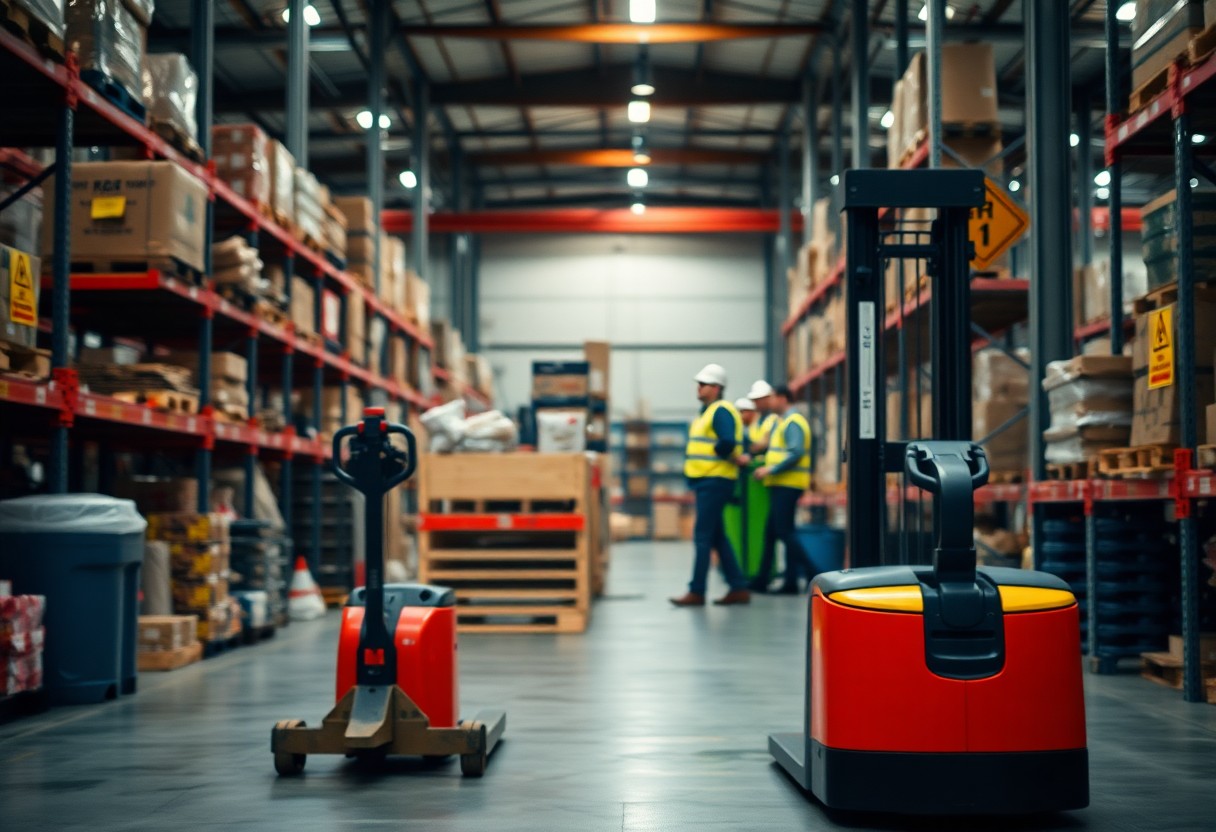
It’s necessary for you to be aware of the risks associated with pallet jacks in your warehouse environment. These widely used tools can enhance efficiency, but they also present hazards if not used properly. Understanding how to navigate around them safely can help protect you and your coworkers from potential accidents. This post will provide you with key safety tips and best practices to ensure that your interactions with pallet jacks are both effective and safe.
Key Takeaways:
- Pallet jacks can move quickly; always stay aware of their vicinity while working.
- Ensure proper training is provided to employees operating pallet jacks.
- Use clear pathways and designated areas to minimize accidents involving pallet jacks.
Understanding Pallet Jacks
Types of Pallet Jacks
Pallet jacks come in several types, each designed for specific tasks within a warehouse. Manual pallet jacks are operated by hand, allowing you to lift and maneuver loads, while electric pallet jacks do the heavy lifting for you with battery-powered assistance. Additionally, there are ride-on pallet jacks, which enable you to stand or sit as you drive around your workspace, providing greater comfort and efficiency during prolonged use.
- Manual Pallet Jacks
- Electric Pallet Jacks
- Ride-On Pallet Jacks
- High-Lift Pallet Jacks
- Specialty Pallet Jacks
After understanding the types, it’s vital to choose the right one based on the specific needs of your warehouse operations.
| Type | Description |
| Manual | Operated by hand; cost-effective for light use. |
| Electric | Battery-powered; offers ease of operation for heavier loads. |
| Ride-On | Sit or stand while operating; increases efficiency. |
| High-Lift | Capable of lifting pallets to higher elevations. |
| Specialty | Designed for specific applications, such as narrow aisles. |
Key Components of Pallet Jacks
Familiarity with the key components of pallet jacks can significantly enhance your operational safety. Essential elements include the forks, hydraulic system, and steering mechanism. The forks, typically made of steel, are responsible for carrying the load, whereas the hydraulic system allows for lifting and lowering the forks with ease. Lastly, the steering mechanism aids in maneuvering around tight spaces and navigating potential obstacles in your warehouse.
Additionally, understanding the design and functionality of the load wheels and safety features is fundamental. Load wheels support the weight and ensure smooth transportation, while safety features such as emergency brakes and load indicators are vital for preventing accidents. Regular maintenance of these components will further ensure the longevity and safe use of pallet jacks in your operations.
Common Risks Associated with Pallet Jacks
Pallet jacks, while efficient for transporting goods, pose several risks that can lead to serious injuries. One of the primary concerns is the potential for tip-overs, especially when loads are unbalanced or exceed weight limits. When using these tools, maintaining awareness of their surroundings is imperative, as collisions with pedestrians or fixed objects can cause significant accidents. Moreover, operating a pallet jack on uneven surfaces can also heighten the risk of losing control. For further insights, check out the Pallet Jack Toolbox Talk – [Quick & Easy for 2023].
Operator Safety
Your safety and the safety of those around you rely heavily on proper operation techniques. Always ensure you have received adequate training before handling a pallet jack. It’s imperative to be aware of your surroundings, particularly in busy warehouse environments where visibility may be limited. Regularly inspecting the equipment for any signs of wear and tear is key to preventing accidents. Ensure that you always operate the pallet jack in a controlled manner, avoiding sudden movements that could cause spills or injuries.
Environmental Hazards
Environmental factors can pose significant hazards when using pallet jacks. Wet or oily surfaces increase the risk of slipping, making it imperative to address spills immediately. Poorly lit areas can obscure your view of obstacles, leading to collisions. Additionally, warehouse layouts that prioritize space efficiency over safety can create tight corners and narrow pathways, which can complicate maneuvering and increase the risk of accidents.
Awareness of environmental hazards should extend beyond immediate surfaces. Ensure that your workspace is organized, with clearly marked pathways and adequate light. If you encounter a particularly hazardous area, report it to your supervisor so appropriate measures can be taken. Simple adjustments in your environment can greatly enhance safety when using pallet jacks.
Best Practices for Safe Operation
Training and Certification
Your employees should undergo comprehensive training on pallet jack operation, including both theoretical knowledge and practical skills. This training should cover the correct use of equipment, handling techniques, and the importance of maintaining a clear workspace. Additionally, obtaining certification from recognized safety programs not only fosters accountability but also enhances your team’s adherence to safety protocols. Studies show that organizations providing formal training see a significant reduction in workplace accidents.
Regular Maintenance and Inspections
Conducting regular maintenance and inspections of pallet jacks is vital for ensuring safe operation. Develop a systematic schedule for checking all equipment, paying close attention to brakes, wheels, and forks. Each time a pallet jack is used, operators should perform a pre-operation inspection to spot any wear or malfunction. Failure to maintain equipment can lead to unexpected breakdowns, which often result in accidents.
Inspections should be documented to create a reliable history of maintenance, covering aspects such as mileage and usage patterns. By utilizing a checklist, you can ensure thorough evaluations, which helps in identifying recurring issues or parts that require replacement before they fail. A proactive approach to upkeep not only enhances safety but can also extend the lifespan of the equipment, ultimately saving costs in the long run.
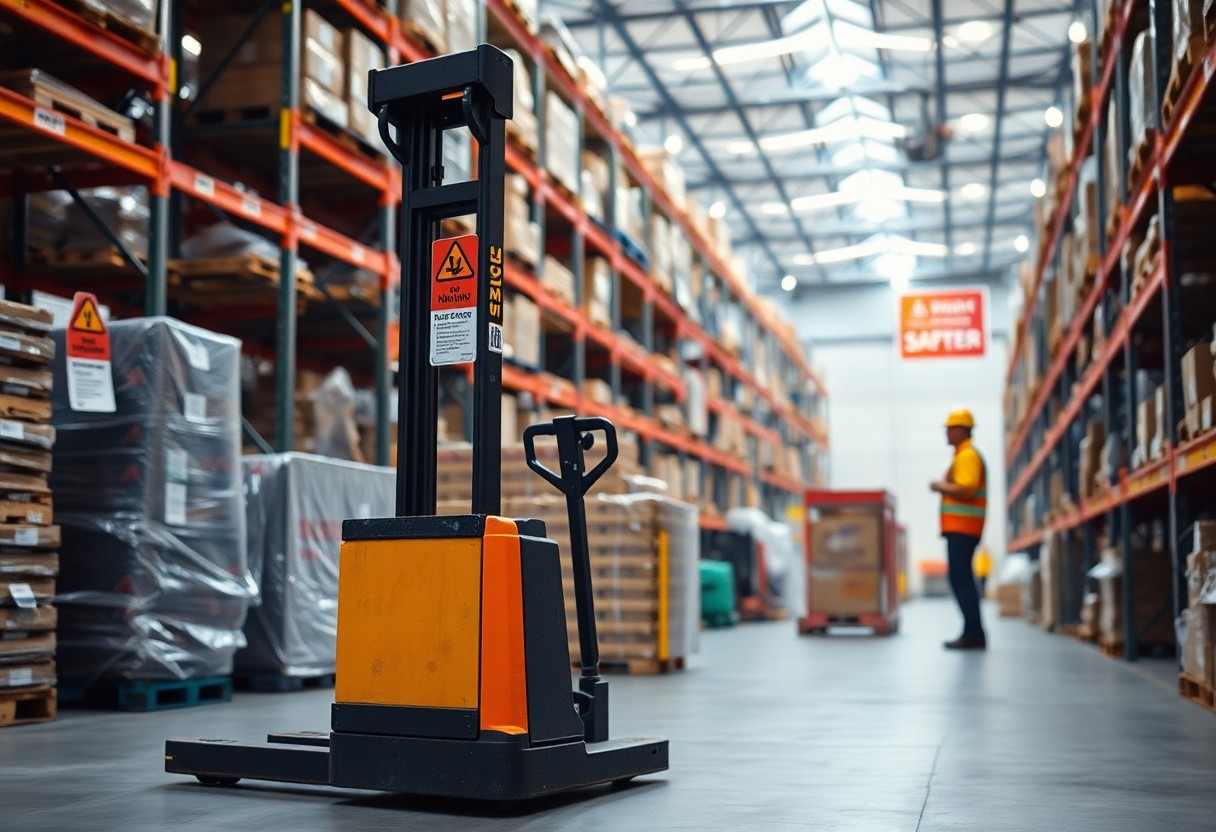
Recognizing and Mitigating Hazards
Proper Lifting Techniques
When using a pallet jack, proper lifting techniques are crucial to prevent injuries. Always ensure that you bend at your knees instead of at your waist to lift items. Keep your back straight and maintain a wide stance for stability. Grip the handle securely and push, rather than pull, the pallet jack when moving loads. If the load is particularly heavy or awkward, seek assistance from a colleague; this not only protects you but also promotes a culture of teamwork and safety in the warehouse.
Utilizing proper lifting techniques can reduce strain on your body significantly. Studies show that improper lifting can lead to back injuries, which account for 20% of workplace injuries in warehouses. By employing the right methods, you diminish the risk of these common injuries and ensure a safer work environment for you and your coworkers.
Maintaining Clear Pathways
A clear pathway is vital for safe operation while using a pallet jack. Ensure that all aisles are free of obstructions such as boxes, debris, or equipment to facilitate smooth movement. Regular inspections of the workspace can help identify potential hazards before they become problems. Additionally, using floor markings to designate walking and loading areas reduces confusion and danger when maneuvering pallets through busy spaces.
By maintaining clear pathways, you enhance operational efficiency and worker safety. According to safety reports, cluttered workspaces contribute to approximately 40% of accidents involving material handling equipment. Ensuring that all pathways are clear allows for faster, safer transportation of goods and minimizes the likelihood of collisions or injuries.
Emergency Procedures
Responding to Accidents
In the event of an accident involving a pallet jack, your immediate action can significantly influence the outcome. First, ensure the safety of all personnel by stopping equipment operation and assessing the situation. If an individual is injured, you should call for medical assistance without hesitation. Provide first aid if you are trained and capable, while ensuring that you do not move the injured person unless there’s an immediate danger, like fire or further equipment hazards.
Following the incident, it’s vital to secure the accident scene to prevent additional injuries. Alert your supervisor and gather necessary information, including witness accounts, to document what transpired. Collecting accurate accounts helps in understanding how to prevent a recurrence and improves safety protocols moving forward.
Reporting Unsafe Conditions
Identifying and reporting unsafe conditions is a vital part of proactive warehouse safety. If you notice any faulty equipment or unsafe practices while using pallet jacks, you have a responsibility to report these conditions immediately. Utilize the designated reporting system in your organization to communicate these hazards to management. The sooner unsafe conditions are reported, the quicker corrective actions can be undertaken, which can prevent accidents.
Your role in reporting unsafe conditions directly impacts the overall safety culture within the warehouse. Encourage your colleagues to remain vigilant and speak up when they notice potential hazards. This fosters an environment where safety is prioritized, allowing for continuous improvements in operational protocols and equipment maintenance.
Effective communication about unsafe conditions fosters accountability and encourages a safety-first mindset among your team. By promptly addressing issues, you contribute to a more secure working environment, which can lead to enhanced morale and efficiency in daily operations. Your input is not just valuable; it is important to minimizing risks associated with pallet jack use.
To wrap up
Hence, prioritizing safety when operating and interacting with pallet jacks is necessary to maintaining a secure warehouse environment. You must stay alert and aware of your surroundings, particularly in areas where pallet jacks are in use. Always ensure that you check for any potential hazards and remain vigilant while navigating through narrow aisles or crowded spaces, as your ability to spot issues early can prevent injuries and accidents.
Moreover, proper training and adherence to safety protocols cannot be overstated. You should ensure that all warehouse staff are knowledgeable about operating pallet jacks safely and understand the importance of clear communication while working. By fostering a culture of safety and accountability, you contribute to a more efficient and secure workplace for everyone involved.
FAQ
Q: What are the main hazards associated with pallet jacks in a warehouse?
A: The main hazards include collisions with pedestrians, tip-overs from improper loads, and pinching hazards when operating near other equipment. Ensuring clear pathways and maintaining proper load handling techniques can mitigate these risks.
Q: How can employees ensure safe operation of pallet jacks?
A: Employees should receive proper training on how to operate pallet jacks safely. This includes understanding load limits, maintaining visibility while operating, keeping aisles clear, and using hand signals when necessary to communicate with others.
Q: What should employees do if they notice a malfunctioning pallet jack?
A: Employees must report any malfunctioning pallet jack immediately to a supervisor. They should avoid using the equipment until it has been inspected and repaired by qualified personnel to ensure safety.
Leave a Reply