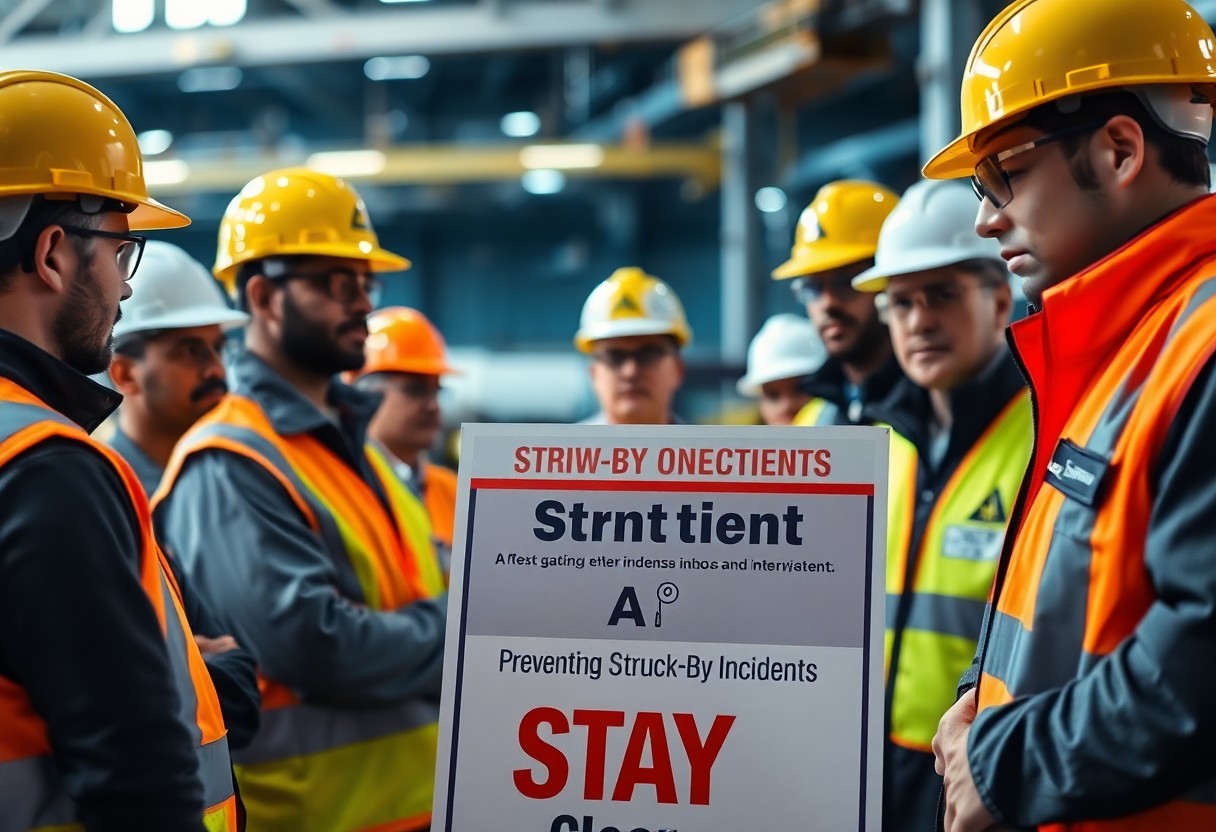
It’s imperative for you to be aware of struck-by incidents, as they pose significant risks in various environments. These accidents occur when a moving object collides with a person, potentially resulting in serious injuries or fatalities. Understanding how to stay clear of these hazards can help protect you and your coworkers. By recognizing the types of objects that can cause harm and implementing effective safety measures, you can contribute to a safer work environment for everyone.
Key Takeaways:
- Awareness of surroundings is vital to avoid struck-by incidents. Be mindful of potential hazards like moving vehicles and equipment.
- Implement proper signaling and communication protocols to ensure safety among workers in busy areas.
- Utilize appropriate personal protective equipment (PPE) to minimize injury risk in case of an incident.
Understanding Struck-By Incidents
Definition and Statistics
Struck-by incidents refer to situations where a person is hit or impacted by an object, leading to potential injuries or fatalities. These incidents can involve various objects, including tools, machinery, vehicles, or falling materials. According to the Bureau of Labor Statistics, struck-by incidents accounted for approximately 10% of all workplace fatalities in recent years, highlighting the dangers present across numerous industries, including construction, manufacturing, and warehousing.
Statistics show that around 20% of struck-by incidents result in serious injuries, such as fractures or head trauma. This emphasizes the importance of understanding the mechanics of these incidents and implementing preventative measures. Being informed about the potential risks allows you to remain vigilant and proactive in your work environment.
Common Causes
Several factors contribute to the occurrence of struck-by incidents. Common causes include poor visibility, lack of communication among team members, and improper use or maintenance of equipment. For instance, operating machinery without a clear line of sight can lead to workers being struck by moving parts or by the machine itself. Additionally, failure to establish clear zones or boundaries in congested work areas may result in personnel inadvertently wandering into hazardous zones.
Other causes encompass improper storage of materials and tools, which can lead to falling objects, and equipment failure due to inadequate inspections. An example is when tools left on elevated surfaces fall, posing a risk to workers below. Moreover, distractions and multitasking can significantly increase the likelihood of these incidents, as your focus may be divided when in proximity to potential hazards.
Risk Assessment
Identifying Hazards
You must begin by systematically identifying potential hazards in your work environment. Walk around the area and observe activities, noting particularly where heavy machinery operates or where items are elevated. Look for things like falling tools, moving vehicles, or precariously stacked materials. Engage with your colleagues to gather insights on their experiences and observations, as they can often highlight risks you might overlook. Utilize visual aids, such as maps or site plans, to indicate areas of concern where struck-by incidents are more likely to occur.
Evaluating Risks
Once you’ve identified hazards, evaluating the associated risks involves determining how likely it is for those hazards to result in an incident. Analyze factors such as the frequency of operations, the proximity of workers to potential struck-by risks, and past incident reports. Assign risk levels to each identified hazard, considering both severity and likelihood. Use a simple matrix to categorize risks as high, medium, or low, which will help in prioritizing your safety strategies.
Consider utilizing industry standards and guidelines, such as those from OSHA or relevant safety organizations, to support your evaluations. You might find useful data that reflects common risk levels for particular tasks or equipment types, which can enhance your decision-making process. Regularly updating these evaluations as work conditions change, and remaining proactive, enables you to stay ahead of potential struck-by incidents in your workplace.
Safe Work Practices
Maintaining Distance
You should always maintain a safe distance from any equipment operated in your work area. Keeping a minimum distance of at least six feet can significantly reduce the risk of being struck by moving machinery or loads. In crowded or confined spaces, it’s vital to establish clear zones and limits, ensuring everyone on-site is aware of where they should and shouldn’t be. Utilize physical barriers or cones to delineate these areas whenever possible.
Your situational awareness plays a pivotal role in avoiding struck-by incidents. Train yourself to continuously scan your environment for potential hazards and moving objects. Being alert to the activity around you can help you anticipate potential dangers and make informed decisions about your positioning relative to heavy equipment and moving personnel.
Use of Spotters and Signals
In operations involving heavy machinery, the use of spotters can greatly enhance safety on-site. Spotters serve as additional eyes for operators, helping to facilitate communication and ensure that all personnel are at a safe distance. Establish clear hand signals that everyone understands to negate the confusion that may arise from background noise or distractions on the worksite.
Effective communication is vital in preventing struck-by incidents. Both operators and spotters should engage in pre-task discussions to review the signals and protocol being used. By fostering a culture of proactive communication, you reduce the likelihood of accidents resulting from miscommunication or oversight during operation.
Incorporating the use of spotters allows for a direct line of sight and enhanced coordination during operation. Many industries have reported marked decreases in incidents when spotters are regularly employed, particularly in busy areas such as construction sites or warehouses. Training sessions can help reinforce the importance of these roles and the critical nature of their communication methods, ensuring that everyone understands the parameters of safety before work begins.
Personal Protective Equipment (PPE)
Importance of PPE
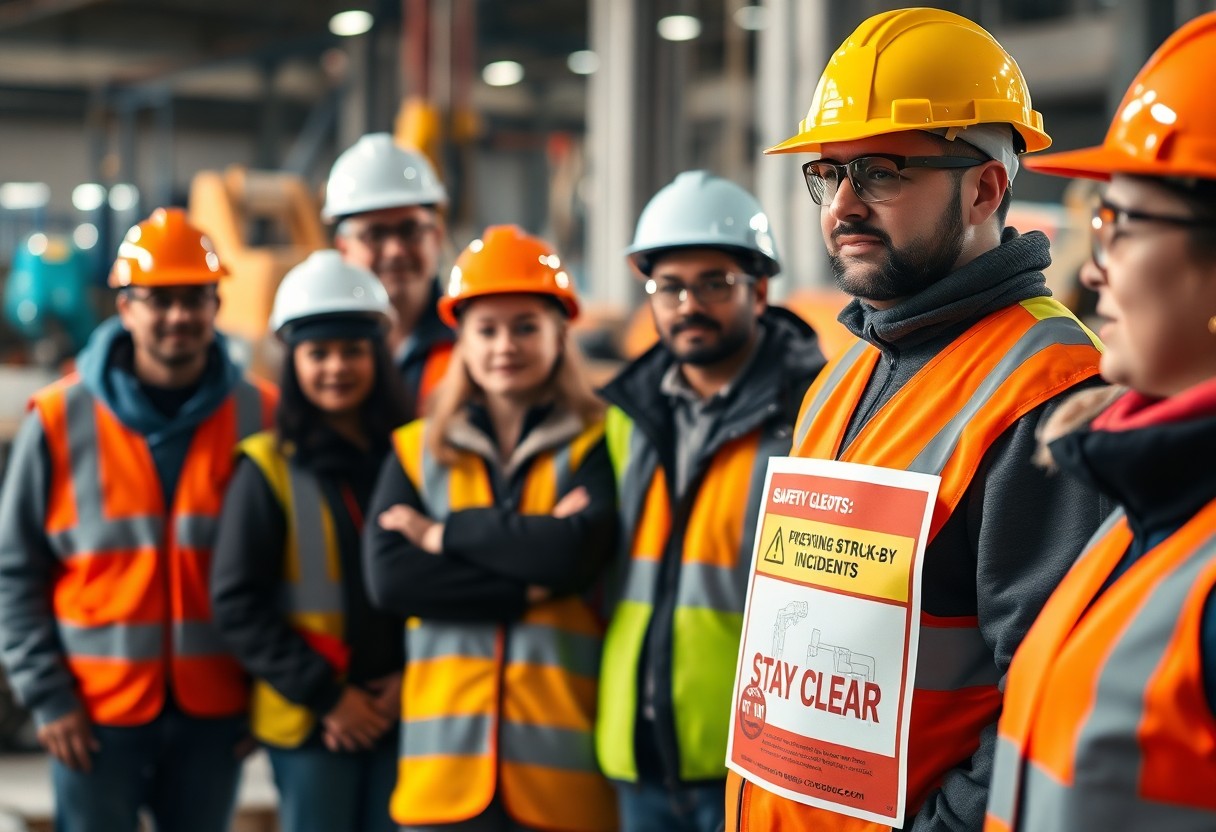
Utilizing Personal Protective Equipment (PPE) is crucial for safeguarding yourself against struck-by hazards in the workplace. PPE serves as the last line of defense, significantly reducing the risk of injury from falling objects or moving machinery. By wearing the appropriate gear, you enhance your overall safety and assure compliance with occupational safety regulations.
Moreover, adopting PPE as part of your safety protocol shows a commitment to health standards and promotes a culture of safety. With the right PPE, you can minimize potential harm to yourself or others, demonstrating proactive measures in the face of unavoidable risks present in your work environment.
Types of PPE for Protection
There are various types of PPE designed to protect against different struck-by hazards. Common items include hard hats, safety glasses, high-visibility vests, and steel-toed boots. Hard hats are vital for guarding against head injuries from falling objects, while safety glasses protect your eyes from debris. High-visibility vests ensure you are easily seen by operators of heavy machinery, reducing the chance of being struck. Steel-toed boots provide foot protection against heavy items that may fall.
Selecting the right type of PPE is critical for your specific job duties. For example, if you’re working near overhead loads, hard hats and reflective vests are a must. Always assess the environment you work in and choose PPE that aligns with the potential hazards you may encounter.
| Type of PPE | Protection Offered |
| Hard Hats | Protect against head injuries from falling objects |
| Safety Glasses | Shield eyes from flying debris |
| High-Visibility Vests | Increase visibility in low-light conditions |
| Steel-Toed Boots | Protect feet from heavy impacts |
- Assume that all PPE must fit properly for maximum effectiveness.
When choosing PPE, it is vital to consider the specific tasks you perform daily. Choose equipment designed for your work environment, ensuring all items meet industry standards. Proper maintenance and inspections of PPE are equally important, as worn-out gear may not provide adequate protection. Always stay informed about advancements in safety gear and procedures to ensure optimal safety on the job.
| Material | Function |
| Polycarbonate | Used for safety goggles and glasses |
| ANSI Standards | Specifies performance levels for various PPE |
| Luminescent Materials | Used in high-visibility vests |
| Steel Norms | Defines requirements for steel-toed footwear |
- Assume that ongoing training on PPE usage is crucial for all employees.
Safety Training and Awareness
Training Programs
Effective training programs are vital for empowering you to identify and mitigate risks associated with struck-by incidents. Training should encompass both theoretical knowledge and practical demonstrations, highlighting common scenarios that could lead to accidents on site. Incorporating hands-on exercises, such as simulating the operation of heavy machinery or proper loading techniques, enables you to understand the dynamics of your environment. You can enhance your learning experience by utilizing resources like When the Job Strikes Back: Preventing Struck-By Injuries in Construction, which provides insights into safety measures pertinent to construction sites.
Promoting a Safety Culture
Developing a safety culture within your organization is an ongoing process that involves everyone from management to front-line workers. Commit to regular safety meetings that encourage open dialogue about potential hazards and personal experiences. Cultivating an environment where you and your coworkers feel comfortable reporting unsafe conditions is vital for fostering continuous improvement and accountability. In this type of culture, safety becomes a shared responsibility, and it’s vital that everyone is engaged in the goal of preventing injuries. This proactive approach directly influences the overall well-being and productivity of the entire team.
When you engage with your peers about safety, you create a sense of unity that reinforces the importance of being vigilant. Implementing recognition programs for safe practices can further motivate you and your coworkers to prioritize safety on site. By celebrating small wins and consistently reinforcing positive behavior, you not only enhance awareness but also encourage a mindset focused on risk prevention, ultimately reducing the likelihood of struck-by incidents.
Reporting and Mitigating Risks
Incident Reporting Procedures
Your organization’s incident reporting procedures should be clear and accessible. When a struck-by incident occurs, you must report it immediately to ensure that necessary actions are taken. Use standardized forms to document all relevant details such as time, location, individuals involved, and a description of the event. This documentation plays a critical role in identifying trends and potential safety hazards that need addressing.
Continuous Improvement Strategies
Your approach to continuous improvement should focus on learning from past incidents to enhance safety practices. Conduct thorough investigations into any struck-by incidents to determine root causes and implement corrective actions. This proactive strategy may include revising safety protocols, providing additional training, or introducing engineering controls to minimize risks.
Incorporate feedback loops where employees can contribute their insights on potential hazards and provide suggestions for improvement. This collaborative approach ensures that safety measures are tailored to the unique challenges of your work environment while fostering ownership of safety among the workforce.
Final Words
With these considerations, you are better equipped to prevent struck-by incidents in your work environment. By staying clear of potential hazards, maintaining awareness of your surroundings, and utilizing the appropriate safety equipment, you can significantly reduce the risk of injury. Always prioritize clear communication with your team to ensure that everyone understands the importance of maintaining a safe distance from moving equipment.
Additionally, regularly assess your work area and take active steps to mitigate any risks associated with the equipment or environment. Engage in ongoing safety training and discussions to reinforce the importance of vigilance and attention to detail. By embracing these practices, you not only protect yourself but also contribute to the overall safety culture of your workplace.
FAQ
Q: What are struck-by incidents?
A: Struck-by incidents occur when a person is hit by a moving object, such as equipment, materials, or vehicles. These incidents can result from falling objects, shifting materials, or moving machinery.
Q: What safety measures can prevent struck-by incidents?
A: To prevent struck-by incidents, implement safety measures such as using barriers to keep workers clear of work zones, ensuring proper signage is displayed, conducting regular safety training, and utilizing high-visibility clothing. Maintaining clear communication among team members is also important.
Q: Who is responsible for ensuring safety from struck-by hazards on a job site?
A: Responsibility for safety from struck-by hazards is shared among employers, supervisors, and employees. Employers must provide training and resources, supervisors must enforce safety protocols, and employees should adhere to guidelines and report unsafe conditions.
Leave a Reply