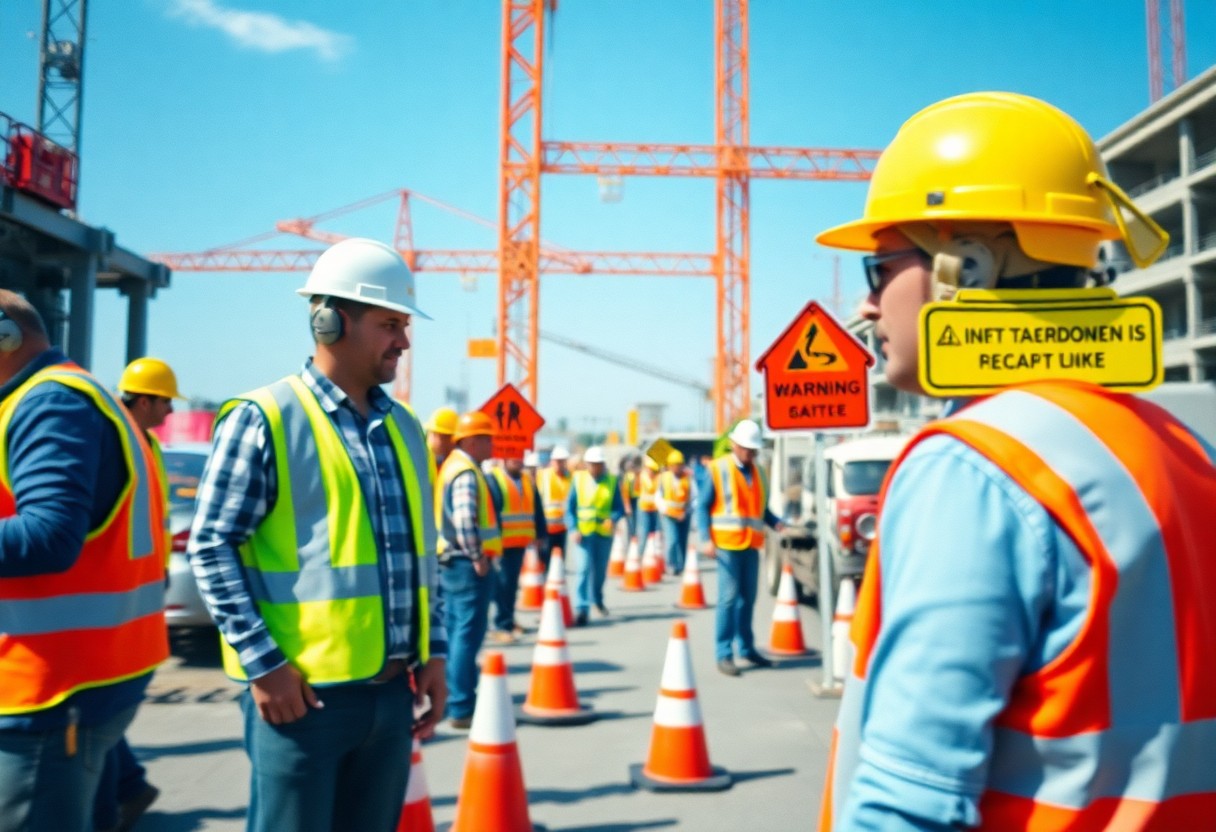
Just as you navigate through construction zones, your awareness is key to ensuring both your safety and the safety of those around you. These areas are often filled with potential hazards, making it crucial for you to stay alert and visible. Understanding the rules and precautions can help minimize risks while you work or travel through these sites. This article will provide you with important strategies to maintain safety and remain vigilant in construction environments.
Key Takeaways:
- Awareness of surroundings in construction zones reduces accidents.
- High visibility clothing enhances safety by making workers more noticeable.
- Effective communication among team members is vital for safe operations.
Importance of Safety in Construction Zones
Understanding the Risks
Construction zones present a range of hazards that can threaten the safety of workers and pedestrians alike. Heavy machinery, unstable ground, and moving vehicles create an environment where accidents can occur quickly and unexpectedly. Statistics indicate that, according to the Occupational Safety and Health Administration (OSHA), nearly 20% of workplace fatalities in the United States happen in the construction industry, underscoring the potential dangers. By understanding these risks, you can better prepare yourself and your team to work safely.
Even seemingly minor distractions can lead to serious consequences. For instance, a moment of inattention while operating machinery can result in damaging accidents. Rushing through tasks without acknowledging environmental changes, such as weather or shifting site conditions, can increase your risk significantly. Thus, maintaining a vigilant mindset is necessary in navigating the complex landscape of construction work.
Consequences of Inattention
The ramifications of not paying attention in construction zones can be severe and far-reaching. Accidents resulting from lack of focus can not only cause personal injury but may also damage property, leading to costly delays and legal issues. For example, a worker who fails to notice a moving crane could face life-altering injuries, impacting their career and personal life. Furthermore, companies may face increased insurance premiums and reputational fallout following incidents that could have been avoided.
Inattention doesn’t just affect the individual; it can also compromise the entire team. A single lapse in focus can initiate a domino effect, resulting in multiple injuries or even fatalities. Ensuring that you and your coworkers remain engaged and aware while working can significantly reduce the risk of these dire outcomes. Investing in training programs that emphasize alertness and situational awareness can foster a culture of safety on the job site.
Staying Alert in Construction Zones
Personal Responsibility
Your safety in construction zones relies heavily on personal responsibility. You must take ownership of your actions by staying aware of your surroundings and recognizing potential hazards. Every worker is an integral part of the safety equation; whether you’re operating machinery, driving through a site, or working on the ground, your attentiveness can prevent accidents. Engaging with your coworkers to promote a safety-first culture can further enhance collective vigilance.
It’s imperative to perform a daily risk assessment before starting your tasks. Inspect your work area for changes, unexpected equipment, or new personnel. By prioritizing safety over routine, you position yourself to react swiftly to unforeseen dangers, which is vital in the fast-paced environment of construction.
Tips for Staying Focused
Maintaining focus in bustling construction zones is key to your safety. Establish a routine that emphasizes consistent awareness of your surroundings. Minimize distractions by keeping your work area organized and using tools that enhance your efficiency. Familiarize yourself with the site layout, which enables you to navigate swiftly while avoiding hazardous areas.
- Take regular breaks to keep your mind clear and sharp.
- Communicate effectively with your team to stay informed about changes and potential hazards.
- Employ the buddy system; working closely with a partner fosters an environment of mutual vigilance.
- Use visual cues and tools to remind yourself of safety protocols.
Furthermore, consider employing mindfulness techniques. Implementing these strategies helps to center your focus on the task at hand, reducing the likelihood of oversight. Techniques such as deep breathing or momentarily stepping back can significantly improve your mental clarity and alertness.
- Eliminate personal distractions like mobile phones unless for emergencies.
- Engage in site-specific safety training regularly to enhance your skills.
- Implement a checklist before starting your shift to cover all safety protocols.
- Conduct periodic self-assessments to evaluate your mental state and focus.
Knowing how to stay focused not only streamlines your productivity but also solidifies your safety and the safety of those around you in crucial construction zones.
Visibility in Construction Zones
Wearing Appropriate Safety Gear
Your choice of safety gear significantly impacts your visibility on site. High-visibility clothing made from fluorescent or reflective materials ensures that you stand out against the often chaotic backdrop of a construction zone. For optimal effectiveness, the gear should cover all exposed areas, as approximately 24% of construction site accidents occur due to lack of visibility. Wearing a hard hat and reflective vests with retroreflective stripes is not just a regulation—it’s a necessary precaution that can save lives.
Using Signage and Lighting
Proper signage and adequate lighting are key elements in maintaining visibility within construction zones. Signs should be clearly marked, indicating hazards, instructions, and navigation directions for both workers and pedestrians. The Federal Highway Administration emphasizes the importance of maintaining readable signs that meet visibility standards so that unexpected risks are minimized. Regular inspections to ensure signs are clean, intact, and prominently displayed will further enhance safety.
In addition to signage, appropriate lighting is necessary, particularly during evening hours or in poorly lit areas. Incorporating bright, portable lights can significantly improve visibility and keep hazards in sight, helping you avoid accidents. If you’re working in areas at risk for falling debris or heavy machinery operation, ensure lighting is placed strategically to cover all work zones and pathways.
Implement lighting that illuminates all critical areas, as inadequate lighting often leads to missteps or accidents. It’s important that all workers can clearly see their surroundings and potential hazards. You should advocate for breathable spaces where lighting is sufficient, thus promoting safe behaviors and reducing the likelihood of injuries on the job site.
Role of Employers in Ensuring Safety
Your role as an employer in construction is pivotal for maintaining a safe work environment. You must foster a culture of safety that prioritizes worker well-being at all times. This involves not only complying with safety regulations but also going beyond minimum standards to create a proactive safety mindset. Regular audits and assessments of your construction site can help identify potential hazards and allow you to take corrective measures before incidents occur. Engaging workers in safety discussions creates a shared responsibility for safety within your team.
Training and Resources
Your employees deserve the best training and resources to navigate potential hazards effectively. Providing comprehensive training programs is crucial for equipping them with the knowledge to recognize dangers and respond appropriately. For instance, training on proper equipment use and hazard recognition can dramatically reduce the likelihood of accidents. Additionally, offering accessible resources such as safety manuals or quick reference guides empowers your workers to stay informed and make safe decisions on-site.
Implementing Safety Protocols
Emergency Procedures and Response
Preparing for Accidents
Your preparedness for accidents in construction zones can significantly mitigate injuries and damage. Establish clear emergency protocols that outline the steps to take immediately following an incident. This includes designating specific personnel responsible for administering first aid, summoning emergency services, and communicating with other team members. Regular drills to simulate emergencies can enhance response times and ensure everyone knows their roles—consider evaluating these procedures every few months to adapt to any changes on site or in relevant laws.
Equip your site with first aid kits and clearly marked emergency exits. Ensure that all employees are aware of their locations and contents. Training sessions should cover the use of safety equipment and the importance of keeping communication devices on hand at all times. By preparing adequately and ensuring that your team is well-informed, you can create a proactive safety culture that effectively addresses potential accidents.
Reporting Hazards
Establishing a robust reporting system for hazards is vital for maintaining site safety. Encourage your workers to report any potential dangers they observe, from unsafe equipment to hazardous weather conditions. Implement a straightforward procedure that allows for quick and anonymous reporting. This can involve digital tools or a designated safety officer to handle submissions efficiently. The quicker a hazard is reported, the faster it can be addressed, potentially preventing accidents.
Utilize regular safety meetings to remind your team about the importance of reporting hazards and discussing any recent observations. Data gathered from these reports can help you to identify patterns and areas needing improvement. Foster a culture where employees feel empowered to speak up without fear of repercussions, contributing to an overall safer work environment. For more insights on effective safety practices, check out Construction Work Zone Safety: 10 Ways to Keep Roadway ….
Community Awareness and Engagement
Educating the Public
Education plays a pivotal role in fostering community awareness about construction zones. You can participate in local outreach programs that inform residents and drivers about ongoing projects, timelines, and safety regulations. Engaging with community centers or schools can help disseminate vital information about the importance of being attentive in these areas. You might consider using pamphlets, informational sessions, or social media campaigns to reach a broader audience. For instance, collaborating with local businesses to create awareness campaigns can make messages more relatable and reinforce the importance of safety in construction zones.
Additionally, the use of real-life scenarios and statistics in these educational efforts helps underline the potential dangers. Statistics show that accidents in construction zones can occur at a rate of up to 30% higher than in regular driving conditions. Sharing testimonials from individuals affected by construction-related accidents can effectively resonate with the community, persuading them to prioritize safety measures while passing through these zones.
Encouraging Safe Driving Practices
Your driving habits can significantly impact safety in construction areas. Advocating for slow and cautious driving helps in minimizing accidents. Joining forces with local authorities to implement measures such as reduced speed limits, clear signage, and road markings directly contributes to safer driving conditions. Implementing campaigns reminding drivers to stay focused and avoid distractions, such as phone use, can further enhance safety. Active involvement in local government meetings allows you to voice the community’s safety needs while pushing for stronger enforcement of traffic regulations in these zones.
In addition, you can leverage technology by promoting the use of navigation apps that alert drivers to upcoming construction areas, sharing tips on how to adjust driving behavior accordingly. Engaging in social media platforms to showcase safe driving strategies, such as obeying posted signs and being vigilant for workers, can also create a culture of safety within the community.
To wrap up
With these considerations, your commitment to safety in construction zones directly impacts not only your well-being but also the safety of your coworkers and the general public. Staying alert allows you to easily identify potential hazards and adapt your actions accordingly. Being visible, through proper attire and positioning, ensures that others can see you, reducing the chance of accidents.
Additionally, effective communication with your team enhances overall safety. By sharing information about potential risks and maintaining awareness of your surroundings, you foster a culture of caution and respect for safety protocols. Your proactive approach to staying alert and visible sets a standard for others and contributes to a safer work environment.
FAQ
Q: What are the main safety concerns in construction zones?
A: The primary safety concerns in construction zones include the presence of heavy machinery, potential hazards from construction materials, uneven surfaces, and the movement of workers. It’s important for both workers and the public to be aware of these risks to avoid accidents.
Q: How can workers ensure they stay visible in construction zones?
A: Workers can enhance visibility by wearing high-visibility clothing, utilizing proper lighting, and maintaining a safe distance from moving vehicles. Using flags or cones to delineate work areas also helps ensure that both workers and passersby are aware of potential dangers.
Q: What steps should drivers take when approaching construction zones?
A: Drivers should reduce speed, follow posted detour signs, and stay alert for any construction personnel or equipment on the road. Utilizing turn signals and maintaining a safe distance from other vehicles in the zone is imperative for everyone’s safety.
Leave a Reply