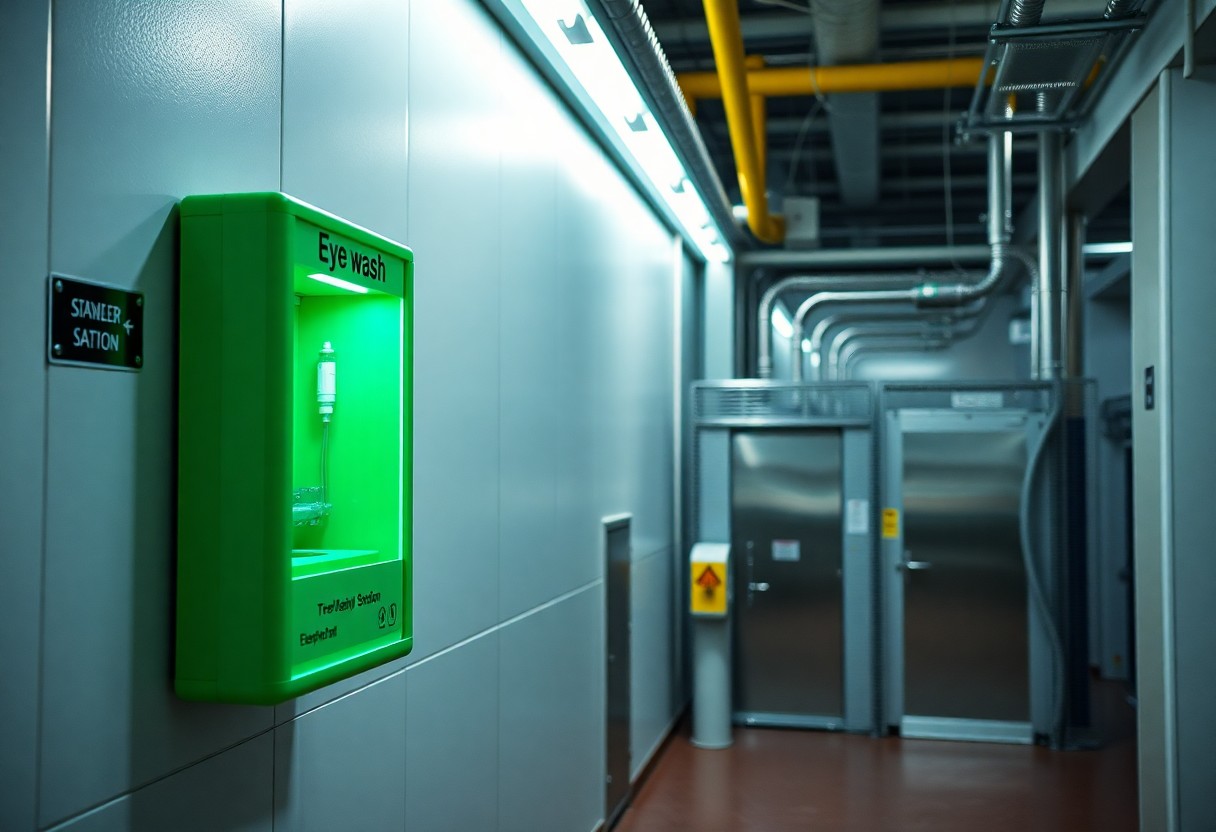
Safety is paramount in any workplace, especially when it comes to eye safety. You need to be aware of eye wash station locations to ensure quick access in emergencies involving hazardous substances. Knowing how to reach these stations can significantly minimize potential damage to your eyes. Familiarize yourself with their placements in your facility to enhance your personal safety and that of your coworkers, ensuring swift action can be taken when injuries occur.
Key Takeaways:
- Eye wash stations should be easily accessible within the workplace to ensure a timely response to eye injuries.
- Regular training and drills should be conducted to familiarize employees with the locations and usage of eye wash stations.
- Clearly visible signage should be posted to indicate the location of eye wash stations throughout the facility.
Importance of Eye Wash Stations
Role in Workplace Safety
Eye wash stations serve as an important part of your workplace safety infrastructure. In environments where hazardous materials are present, having immediate access to an eye wash station can significantly reduce the severity of eye injuries. Exposure to chemicals, splashes from machinery, or flying debris can lead to serious damage, but the prompt use of an eye wash station can flush contaminants away, potentially preventing permanent harm. Studies indicate that immediate irrigation of the eyes can increase survival rates and outcomes by more than 50% in chemical exposure cases.
In addition, training your employees on how to use eye wash stations correctly can enhance the effectiveness of this safety measure. Simple, straightforward instructions with practice can make all the difference in emergencies. Employers who prioritize eye safety by ensuring accessible and well-maintained wash stations create a culture of safety, encouraging vigilance and awareness among staff. This proactive approach ultimately enhances overall workplace productivity.
Compliance with Safety Regulations
Adhering to safety regulations is not just a legal obligation; it directly impacts your business’s liability and reputation. According to the Occupational Safety and Health Administration (OSHA), all workplaces using hazardous materials must have eye wash stations readily available for employee use. Non-compliance can lead to significant fines and penalties, as well as increased insurance premiums. Having eye wash stations in place also demonstrates your commitment to employee safety, often positively influencing workplace morale and employee loyalty.
Beyond mere compliance, regular inspections and maintenance of eye wash stations are mandated by several safety regulations. This process includes ensuring the water flow is adequate, the temperature is appropriate, and that all stations are free from obstructions. For example, OSHA’s standards specify that eye wash stations must be located within a 10-second travel distance from potential hazards, reinforcing the importance of accessibility in emergency situations.
Identifying Locations of Eye Wash Stations
Mapping Out Eye Wash Stations
To ensure quick access during an emergency, you should create a comprehensive map that includes all eye wash station locations within your facility. Consider placing these stations within a 10-second walk from areas where hazardous materials are handled, as recommended by OSHA guidelines. Including this information in employee orientation materials will reinforce the importance of being aware of safety equipment locations.
Additionally, conducting regular drills that incorporate locating eye wash stations can enhance employee familiarity with their positions. Utilize floor plans that highlight these stations, and make this mapping available both digitally and in print form for easy reference in case of an emergency.
Signage and Visibility Guidelines
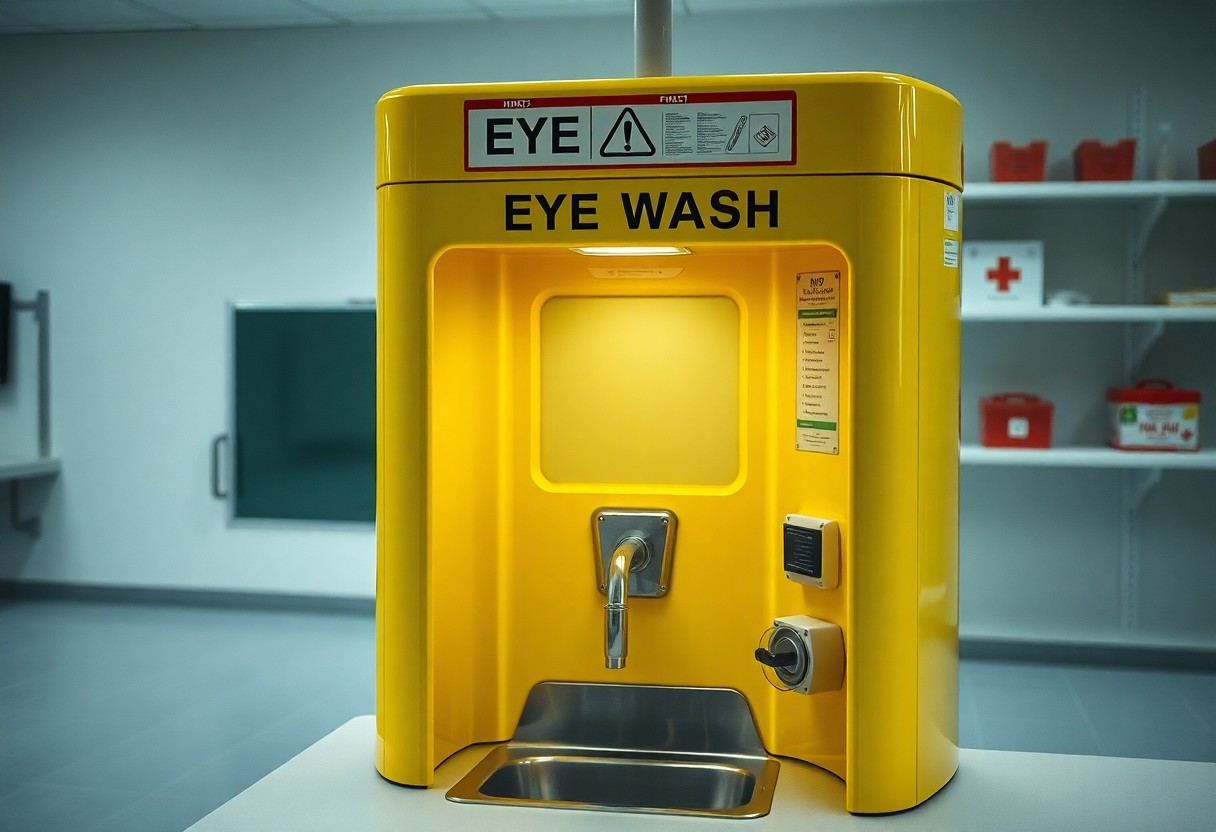
Your eye wash stations must have clear, recognizable signage to facilitate a prompt response. Use bold graphics and standardized symbols to ensure that employees can identify these stations at a glance, ideally following the ANSI Z358.1 standards for eye wash stations. Signs should be placed above the equipment and should be visible from a distance, eliminating any chance of confusion.
In addition to effective signage, consider the lighting around the eye wash stations. Adequate illumination is vital, especially in low-light conditions where quick access is paramount. Ensure that the pathway to the eye wash stations is free from obstructions, and verify that signage remains unobstructed and easy to read at all times.
Regular maintenance of signage is key; you need to conduct periodic checks to ensure that the graphics remain legible and that colors are vibrant. Any faded or damaged signs should be replaced immediately to maintain effective communication regarding safety procedures.
Maintenance and Inspection of Eye Wash Stations
Regular Testing and Servicing
To ensure eye wash stations remain functional, you must conduct regular testing and servicing every month. This testing involves activating the station for a minimum of 3 minutes to allow the water to flow freely, ensuring there are no blockages. During this time, check for proper water temperature—ideally between 60°F and 100°F—allowing for immediate relief in case of exposure. If you notice any discrepancies in water flow or temperature, you should address these issues promptly to prevent safety hazards.
Additionally, routine servicing should include a thorough inspection of all components, including the plumbing, nozzles, and signage. Maintaining clear access to the station is equally important, as obstructions can delay response time during emergencies. If your facility has multiple eye wash stations, consider implementing a maintenance schedule that clearly assigns responsibilities to ensure consistency and accountability.
Record Keeping and Documentation
Effective record keeping and documentation serve as vital aspects of eye wash station maintenance. You should log each inspection and servicing activity, noting the date, time, and any issues encountered, along with resolutions. This creates a reliable history of compliance and helps establish accountability within your team. Furthermore, maintaining regular documentation benefits you during safety audits or inspections, demonstrating your commitment to workplace safety.
Additionally, using a digital tracking system can enhance efficiency by allowing easy access to records while generating automated reminders for upcoming maintenance tasks. This proactive approach not only reduces the risk of oversights but also ensures complete transparency regarding the condition of your eye wash stations.
Training Employees on Eye Wash Station Usage
Proper Instructions for Use
Providing clear instructions on how to use eye wash stations is vital in ensuring safety in the workplace. You should explain that in the event of an eye emergency, the first step is to quickly locate the nearest eye wash station. Once you reach it, activate the station by pulling the lever or pushing the button, depending on the design. Position your eyes directly in the flow of water, holding your eyelids open with your fingers to ensure thorough rinsing. Continue this for a minimum of 15 minutes to effectively wash out any harmful substances.
Training should include demonstrations and hands-on practice. Encourage employees to practice the steps, making sure they feel comfortable using the station under pressure. Additionally, offer visual aids like posters around the stations that outline the steps and highlight crucial safety actions, reinforcing the training with consistent reminders in the work environment.
Emergency Response Procedures
Your facility’s emergency response plan must include designated procedures for eye injuries. Employees should understand that after using the eye wash station, they must seek further medical attention immediately. Provide instructions for notifying a supervisor or first aid responder in case of an incident, ensuring that the right people know what has happened and can take appropriate action.
Incorporate regular drills in your safety training schedule. By simulating potential incidents, you enhance employee readiness. Each drill should address not only the use of the eye wash station but also communication protocols, ensuring that all responders are informed and acting swiftly to manage the situation effectively. This proactive approach minimizes complications and promotes a culture of safety.
Engaging employees in discussions about real-life scenarios can significantly improve their understanding of emergency response procedures. Highlight past incidents and the steps taken to mitigate harm, illustrating the importance of knowing not just how to use the eye wash station, but also the quick actions that follow. You can even bring in safety officers for Q&A sessions to clear up any uncertainties regarding the procedures.
Integration with Overall Safety Protocols
Role in Emergency Preparedness Plans
Your organization should seamlessly incorporate eye wash stations into its overall emergency preparedness plans. This integration involves identifying strategic locations for the stations based on potential hazards in your workspace. You need to ensure that all employees know these locations and understand the procedures to follow in case of an eye emergency. According to findings in The Mystery of Eyewash Stations: Fast Facts to Be In, proximity to hazardous materials should dictate placement, ensuring immediate access in emergencies. Furthermore, conducting drills that include the use of eye wash stations enhances employee readiness and confidence during potential crises.
Collaboration with Health and Safety Teams
Your health and safety teams play a vital role in the implementation of eye wash stations and ensuring they meet regulatory standards. By working together, you can conduct risk assessments to determine where additional eye wash stations are necessary. Regular meetings with health and safety personnel help evaluate existing safety protocols, refine training, and ensure that emergency procedures are up to date. This collaboration fosters a culture of safety and enhances overall workplace preparedness.
Furthermore, health and safety teams can provide insights into compliance requirements. They can guide you in documenting inspections and maintenance schedules for the eye wash stations, making it easier to stay compliant with OSHA standards. By reinforcing the importance of eye wash stations in your overall safety strategy, you can significantly minimize the risk of serious eye injuries in your workplace.
Summing up
The knowledge of eye wash station locations in your workplace is crucial for ensuring your safety and that of your colleagues. You should be aware of the nearest stations to your work area and understand the procedures for using them effectively. This proactive approach can significantly mitigate the effects of accidental exposure to harmful substances.
Taking the time to familiarize yourself with eye wash station placements can save valuable seconds in emergencies, potentially making a difference in treatment outcomes. You should participate in any training or drills provided by your organization to reinforce your understanding and readiness. Your commitment to knowing these locations is a fundamental aspect of maintaining a safe work environment.
FAQ
Q: What are eye wash stations and why are they important?
A: Eye wash stations are designated areas equipped with facilities to irrigate and flush the eyes in case of exposure to hazardous substances or irritants. They are vital for providing immediate first aid to minimize eye injuries and ensure quick decontamination.
Q: How can I find the locations of eye wash stations within my workplace?
A: The locations of eye wash stations can typically be found on safety maps posted throughout the facility, within emergency response plans, or by asking your safety officer. It’s important to familiarize yourself with these locations to ensure quick access in case of an emergency.
Q: Are there specific regulations regarding eye wash station placement?
A: Yes, regulations such as OSHA (Occupational Safety and Health Administration) standards specify that eye wash stations must be easily accessible, located within a certain distance from potential hazards, and must provide a continuous flow of water for a minimum duration. This ensures they meet safety requirements for effective emergency response.
Leave a Reply