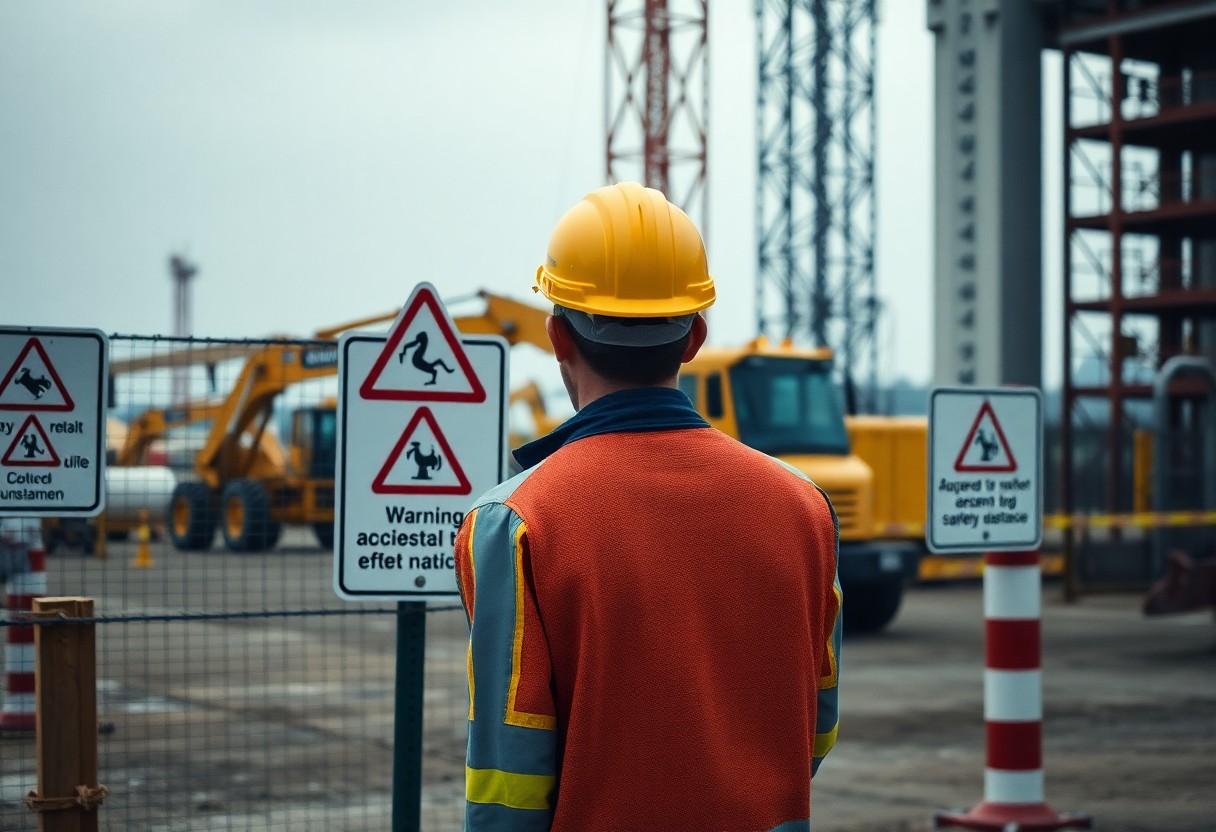
Over the course of your workday, heightened awareness of your surroundings is crucial to preventing struck-by incidents. Being struck by falling or moving objects poses significant risks that can lead to injuries or fatalities. By staying clear of potential hazards and continually assessing your environment, you can enhance your personal safety and protect those around you. This post outlines effective strategies to help you navigate these dangers effectively and ensure a safer workplace.
Key Takeaways:
- Always maintain a safe distance from moving equipment and vehicles on site.
- Wear appropriate personal protective equipment (PPE) to enhance visibility and safety.
- Stay alert and be aware of your surroundings to identify potential hazards proactively.
Understanding Struck-By Incidents
Definition and Examples
A struck-by incident occurs when a worker is injured as a result of being hit by a moving object. These objects can range from heavy construction equipment like forklifts and cranes to materials falling from heights, such as tools or debris. The risks are not limited to the direct impact; they can also stem from being struck by equipment that is swinging, rolling, or being controlled remotely. For instance, if you are in proximity to a crane that is lifting a load, you could be seriously injured if that load drops due to equipment failure or improper handling.
Another example includes situations where vehicles are in operation on a worksite. If you are in the vicinity of a reversing truck without adequate warning systems, the potential for a dangerous incident increases significantly. Struck-by incidents can occur in various environments, particularly in construction, manufacturing, and warehousing settings. Ensuring a safe distance and being aware of your surroundings are important practices to mitigate these risks.
Statistics and Relevance
Struck-by incidents rank among the leading causes of workplace fatalities, representing around 15% of all workplace deaths according to the Occupational Safety and Health Administration (OSHA). In 2020, there were over 8,000 reported cases of struck-by incidents, highlighting the persistent danger present in numerous industries. These statistics reinforce the need for comprehensive training and hazard awareness, as many incidents are preventable through proper safety protocols.
The financial implications extend beyond the immediate injuries; companies may face liabilities, increased insurance costs, and loss of productivity. Implementing safety measures not only protects workers but also contributes to a more efficient operational environment. The relevance of addressing struck-by incidents is evident in both regulatory compliance and maintaining a workforce that feels secure and valued.
Identifying Hazards
Common Risk Factors
Struck-by incidents often stem from various risk factors present in the work environment. Recognizing these factors is key to enhancing safety. Equipment such as forklifts and cranes, if not operated correctly, can pose significant threats to those nearby. Poor visibility conditions due to inadequate lighting or obstruction by materials increase the likelihood of accidents. Additionally, worker complacency in busy areas where heavy machinery operates can exacerbate risks.
- Equipment failure from poor maintenance
- Environmental conditions such as weather
- Inexperienced workers unfamiliar with site protocols
- Inadequate safety measures like barriers or warning signs
Any combination of these factors can lead to dangerous situations. Regular site assessments are necessary to identify and mitigate hazards before incidents occur.
Situational Awareness
Enhancing your situational awareness is vital to preventing struck-by incidents. Being mindful of your surroundings allows you to anticipate potential hazards and react promptly. This involves not only noticing moving equipment but also understanding the patterns of activity within the workspace. For example, you should observe the movements of colleagues and machinery synergistically, providing a clearer picture of the risks involved.
Another aspect of situational awareness is the ability to adapt your focus as conditions change. Engaging with your environment means recognizing shifts in traffic patterns or temporary changes like increased foot traffic during certain times of day. Incorporating regular safety briefings can enhance this awareness and keep safety at the forefront of every operation.
Safety Protocols
Personal Protective Equipment (PPE)
Utilizing the appropriate Personal Protective Equipment (PPE) is imperative when working in environments where struck-by hazards exist. Ensure you wear high-visibility clothing to enhance your visibility to equipment operators and fellow workers. Hard hats should be mandatory in areas where overhead hazards are present. Additionally, eye protection can guard against falling debris, while steel-toed boots provide a necessary barrier against heavy objects.
Always inspect your PPE before each use to confirm its integrity. Any worn or damaged equipment should be replaced immediately. Proper training on how to use and maintain your PPE enhances its effectiveness. For further details, refer to resources on Preventing Struck-By & Caught-Between Incidents.
Communication Strategies
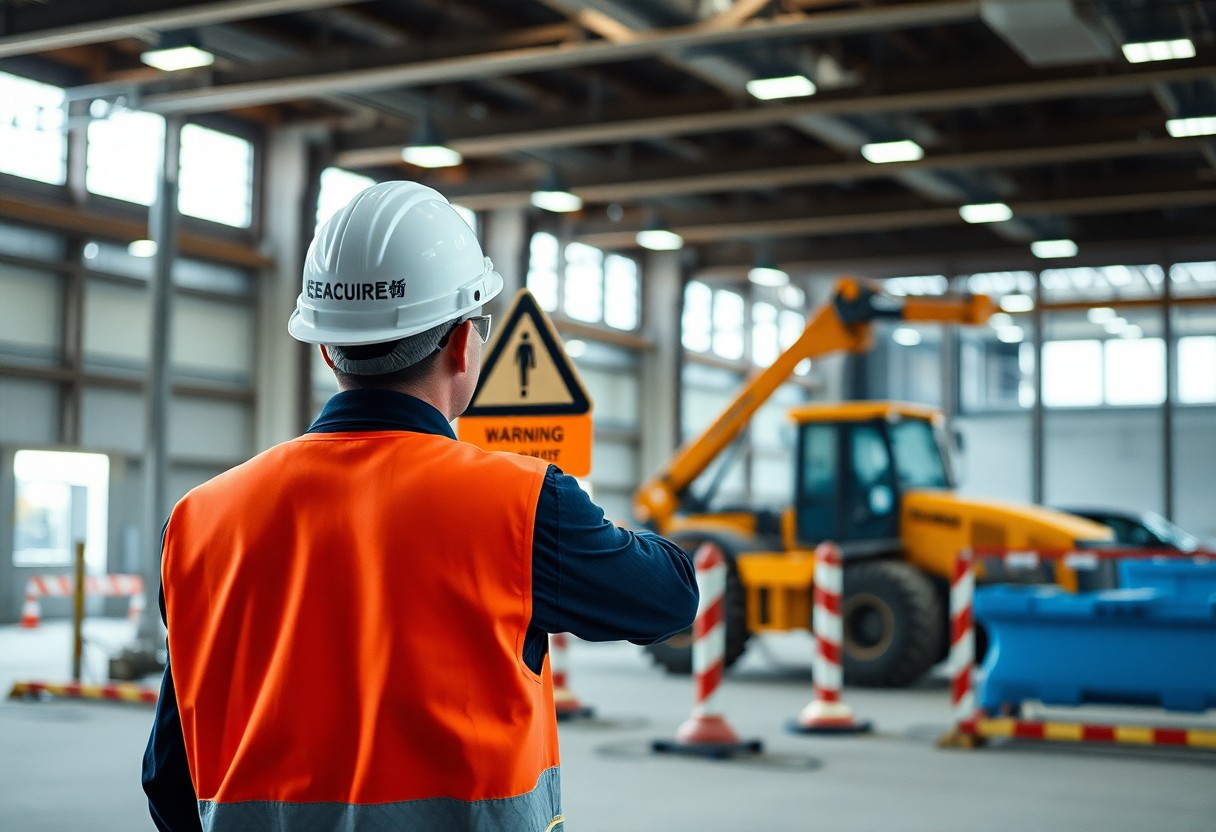
Effective communication strategies are vital in preventing struck-by incidents. Establishing clear lines of communication between workers and operators can significantly reduce accidents. Utilize hand signals, radios, or other communication devices to keep everyone informed about movements and potential hazards. Regular safety meetings can foster an environment where safety concerns are addressed openly.
It’s also beneficial to implement a buddy system, where workers pair up to monitor each other’s surroundings and immediate dangers. Ensure everyone is trained and knowledgeable about site-specific hazards and communication protocols. This proactive approach creates a safer workspace and decreases the likelihood of accidents.
Highlighting the importance of open dialogue about safety practices reinforces teamwork and alertness on the job. You should encourage reporting near-misses and unsafe conditions, as this knowledge contributes to refining safety protocols and enhancing overall awareness.
Training and Education
Importance of Training
Effective training is vital for mitigating struck-by incidents. When you understand the dynamics of equipment operation and site movement, you are better equipped to anticipate risks. According to the Occupational Safety and Health Administration (OSHA), over 3,000 injuries annually stem from struck-by incidents, making education a key component in prevention strategies. Training teaches you to recognize dangerous behaviors, whether they involve operators of heavy machinery or pedestrian workers, which can significantly reduce the chances of accidents.
Moreover, fostering a culture of safety through training empowers you and your colleagues to communicate hazards openly. When everyone is trained properly, you create an environment where safety becomes a collective responsibility. Knowledge of protocols and emergency procedures not only prepares you for potential incidents but also helps in reinforcing best practices across the workforce.
Best Practices for Training Programs
Implementing a robust training program involves several best practices that can enhance the learning experience. Start with a comprehensive needs assessment to identify specific risks related to your work environment. Tailor your training materials to include real-life scenarios and case studies, ensuring that you can relate the information to your daily tasks. Hands-on demonstrations and simulations should also be integrated to provide you with practical experience in managing potential struck-by situations safely.
Regularly updating training content is crucial to keep pace with new technologies and practices. Conducting refresher courses biannually or annually ensures that you remain aware of evolving safety standards, which is crucial as worksite dynamics can change rapidly. Leverage different learning formats—such as workshops, e-learning modules, and group discussions—to cater to various learning styles within your team. This variety can enhance engagement and retention of vital safety information.
Finally, assessing the effectiveness of your training programs through quizzes, observational evaluations, and incident tracking is necessary. This process helps in identifying knowledge gaps and allows you to modify your approach accordingly. Data-driven adjustments not only improve the quality of training but also ensure that safety practices are continuously reinforced throughout your organization.
Mitigating Risks
Implementing Engineering Controls
To effectively address the risk of struck-by incidents, you should consider implementing engineering controls that eliminate or reduce hazards at the source. This can involve the use of safety barriers, guards, or designated walkways to separate workers from moving equipment and vehicles. For example, installing a physical barrier around construction zones can significantly decrease the likelihood of personnel being struck by tools or materials falling from heights. Another effective measure is utilizing equipment with advanced safety features, such as automatic shut-off systems that activate when a hazard is detected.
Additionally, considering the layout of your workspace can play an vital role in minimizing risks. Arrange your tools, materials, and equipment in a manner that limits worker exposure to potential struck-by hazards. For instance, place heavy machinery in areas away from pedestrian traffic and ensure that any overhead loads have appropriate safety measures in place, such as secure rigging practices. Continuous monitoring and improvement of these engineering controls can enhance safety over time.
Administrative Controls and Procedures
Implementing administrative controls is equally important in mitigating struck-by incidents. You can establish clear policies and procedures that dictate safe work practices, including the proper use of personal protective equipment (PPE). Ensure that all workers understand and are trained in the appropriate use of gear such as hard hats, high-visibility vests, and reflective clothing, which can significantly increase visibility and reduce risks in active work zones. Regular safety meetings can reinforce these procedures and keep safety at the forefront of your team’s day-to-day operations.
Moreover, maintaining an effective communication system is vital. You should utilize signage and visual cues to remind workers of potential hazards and highlight safety procedures. Designating roles and responsibilities among team members for monitoring safety can create a culture of accountability where everyone looks out for each other. This collaborative approach not only minimizes struck-by incidents but also fosters a stronger commitment to safety overall.
To enhance the effectiveness of administrative controls and procedures, conduct regular audits and reviews of your safety practices. By evaluating potential weak points in your operations, you can identify areas for improvement and make data-driven adjustments. Keeping accurate records of near-misses and incidents can provide valuable insights into evolving safety challenges and inform your ongoing training efforts. This iterative approach will help create a safer workplace where the risk of struck-by incidents remains low.
Reporting and Monitoring
Importance of Incident Reporting
Incident reporting plays a vital role in identifying safety hazards and preventing future occurrences. When you report a struck-by incident, you contribute to a culture of safety that prioritizes proactive measures over reactive ones. Every report helps your organization understand the conditions that led to the incident, ensuring that similar situations are avoided in the future. Data from the Occupational Safety and Health Administration (OSHA) indicates that organizations with robust reporting systems see a 30% decrease in workplace injuries within the first year of implementation.
Your reports should include details such as the time, location, and nature of the incident, along with any contributing factors. Analyzing these reports can help you identify trends, whether it’s a particular type of equipment involved or specific times when incidents are more likely to occur. This analysis not only enhances safety but also boosts employee confidence in the safety measures in place.
Monitoring Effectiveness of Safety Measures
To ensure that your safety measures are effective, continuous monitoring is necessary. This involves systematically reviewing safety protocols and incident reports to determine if the implemented changes are yielding the desired outcomes. For example, if a new safety barrier has been installed after a reported incident, you should evaluate how often struck-by incidents occur in that area post-installation. If incidents still happen, it might indicate that additional measures are required.
Regular safety audits and employee feedback sessions can provide insights into how well safety measures are being adhered to in the field. You might find that certain practices are not being followed as intended, or that employees feel certain measures are inadequate. Addressing these issues promptly can prevent potential incidents and foster an environment where safety remains a shared responsibility.
Conclusion
Taking this into account, you must prioritize safety by remaining vigilant and aware of your surroundings in environments where struck-by incidents can occur. By maintaining a safe distance from moving equipment and staying clear of load paths, you significantly reduce the risk of injury. Familiarizing yourself with site conditions and equipment operations will further enhance your ability to recognize potential hazards.
Your commitment to following established safety protocols and utilizing personal protective equipment can make a notable difference in preventing accidents. Engaging in continuous safety training and fostering open communication with coworkers about risks will also help create a safer workplace. Ultimately, by staying clear and being proactive, you can safeguard not only your well-being but also that of your colleagues.
FAQ
Q: What are struck-by incidents and why are they a concern?
A: Struck-by incidents involve situations where a moving object hits a person. These incidents are a concern because they can lead to serious injuries or fatalities in workplaces, particularly in construction and manufacturing environments. Understanding the risks associated with moving equipment, falling objects, and working near active machinery is crucial for ensuring safety.
Q: What are effective strategies to prevent struck-by incidents?
A: Effective strategies include maintaining a safe distance from moving machinery, using proper signage to warn about potential hazards, implementing a clear communication system among workers, and ensuring that all workers wear appropriate personal protective equipment (PPE). Regular training and safety meetings can also help reinforce best practices.
Q: What role does visibility play in preventing struck-by incidents?
A: Visibility is key in preventing struck-by incidents. Ensuring that all areas of work are well-lit and free from obstructions can help workers to see potential hazards. Additionally, using high-visibility clothing and equipping machinery with proper lighting and reflective materials can further enhance awareness and prevent accidents.
Leave a Reply