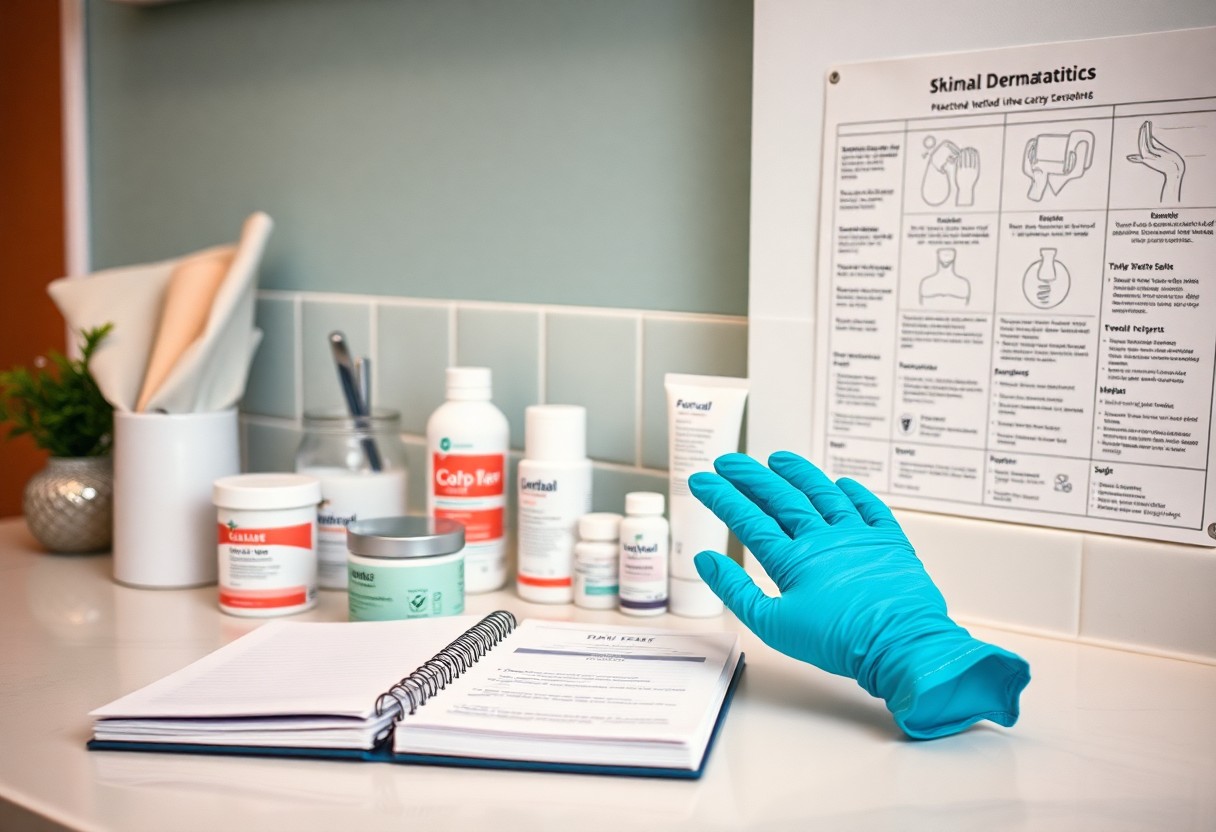
It’s necessary to understand the risks associated with dermatitis, a prevalent condition that can affect your skin health and comfort. By adopting effective prevention strategies, you can significantly reduce your chances of developing this condition. Simple measures, such as using the right protective gear and maintaining proper hygiene, play a vital role in safeguarding your skin. This guide will equip you with the knowledge and tools needed to protect your skin and ensure your overall well-being.
Key Takeaways:
- Identify common irritants and allergens to minimize skin exposure.
- Utilize appropriate personal protective equipment (PPE) to safeguard skin.
- Implement regular hand hygiene practices to maintain skin health.
Understanding Dermatitis
Dermatitis is a broad term for inflammation of the skin, encompassing various conditions that lead to symptoms like redness, swelling, and itchiness. These symptoms can disrupt your daily life and may impact your physical and mental well-being. Understanding the specific types of dermatitis can help you identify your symptoms and tailor your prevention strategies effectively.
Types of Dermatitis
There are several types of dermatitis, each with unique triggers and characteristics. For instance, contact dermatitis occurs when your skin comes into direct contact with an allergen or irritant, while atopic dermatitis is commonly associated with allergies and is prevalent among children. Additionally, seborrheic dermatitis typically affects oily areas, presenting as scaly patches. Other forms include dyshidrotic dermatitis and stasis dermatitis.
| Type | Characteristics |
| Contact Dermatitis | Result from irritants or allergens |
| Atopic Dermatitis | Linked to allergies; common in children |
| Seborrheic Dermatitis | Affects oily skin areas; flaking |
| Dyshidrotic Dermatitis | Causes blisters on hands/feet |
| Stasis Dermatitis | Associated with poor blood circulation |
Knowing the distinctions among these types can empower you to seek appropriate treatment and avoid specific triggers. It is vital to consult with a healthcare professional for accurate diagnosis and tailored management strategies.
Causes and Risk Factors
The causes of dermatitis vary significantly based on its type. Environmental factors often play a substantial role, including exposure to chemicals, allergens, and irritants. Additionally, genetic predisposition can increase your vulnerability, particularly in atopic dermatitis. Stress and hormonal changes could further exacerbate symptoms, highlighting the impact of both physiological and psychological factors on your skin’s health.
- Environmental factors such as chemicals and allergens
- Genetic predisposition influencing susceptibility
- Stress that may worsen symptoms
- Hormonal changes potentially triggering outbreaks
- Climate influences on skin condition
Perceiving the interplay of these factors can aid you in creating a proactive skincare regimen. For example, keeping your living space free of irritants and incorporating relaxation techniques can alleviate some symptoms.
In addition to specific triggers, certain occupations may expose you to higher risk levels. Regular contact with water or chemicals can lead to irritation, especially if your skin is prone to sensitivity. You must cater to your specific environment and practices to minimize risks effectively.
- Occupational hazards relevant to frequent exposures
- Personal hygiene routines impacting skin health
- Seasonal variations influencing skin conditions
- Skin care products causing unwanted reactions
- Health conditions that may predispose you
Perceiving how these elements interact informs your approach to prevention and treatment. Awareness of your skin’s responses can guide you in adopting healthier habits and avoiding potential irritants.
Importance of Skin Protection
Protecting your skin is not just about aesthetics; it directly influences your overall health and well-being. Skin acts as a barrier against harmful substances, pathogens, and environmental stressors. When you fail to adequately protect your skin, you expose it to heightened risks, leading to conditions like dermatitis, which can significantly complicate everyday tasks. In workplaces where exposure to irritants is common, wearing protective gear is imperative. Studies indicate that individuals in industries such as construction and healthcare experience higher rates of dermatitis due to lack of skin protection. Proactive measures can mitigate these risks, enhancing your quality of life and productivity.
Impact of Dermatitis on Daily Life
Experiencing dermatitis not only results in physical discomfort but also affects your emotional and social well-being. The symptoms, which can include intense itching, redness, and peeling skin, may hinder your ability to concentrate at work or participate fully in social activities. You might find yourself avoiding certain environments or situations, thus altering your lifestyle and social interactions. This can lead to feelings of isolation or frustration, making it imperative to seek effective prevention and treatment strategies.
Long-term Effects of Skin Damage
Chronic skin damage from conditions like dermatitis can lead to lasting consequences that extend well beyond immediate discomfort. Prolonged exposure to irritants often results in thickened, discolored skin, or even scarring, which may require medical intervention or specialized treatment to rectify. The psychological impact can also be significant, as persistent skin issues can affect self-esteem and body image. Young adults, in particular, may face challenges in forming interpersonal relationships or pursuing careers due to visible skin conditions.
Moreover, the risk of developing allergies or skin infections increases with repeated flare-ups. For instance, individuals with a history of dermatitis are more susceptible to secondary infections caused by bacteria or fungi. The long-term implications can involve a constant cycle of treatment and recurrence, making it vital to address underlying causes and maintain a comprehensive skin care regime.
Prevention Techniques
Personal Protective Equipment (PPE)
Your first line of defense against dermatitis is personal protective equipment (PPE). Depending on your work environment, this may include gloves, masks, goggles, or specialized clothing designed to minimize skin exposure to hazardous substances. For instance, using chemical-resistant gloves can significantly reduce the chance of irritants coming into contact with your skin, while breathable fabric can prevent moisture buildup and irritation.
Choosing the right PPE involves understanding the specific risks associated with your tasks. Always opt for PPE that fits correctly to ensure maximum protection without compromising your comfort. Regularly inspect your equipment for signs of wear, and replace any items that are damaged or compromised to maintain effective protection.
Skin Care Routines
Establishing a consistent skin care routine is imperative for protecting your skin from dermatitis. Start with a gentle cleanser that effectively removes impurities without stripping your skin of its natural oils. After cleansing, apply a high-quality moisturizer suited to your skin type, which acts as a barrier against environmental irritants and helps maintain skin hydration. Incorporate products with ceramides or hyaluronic acid, as these ingredients can strengthen the skin’s natural barrier, making it less susceptible to irritation.
Further, make it a habit to exfoliate gently on a weekly basis. This helps remove dead skin cells and promotes the regeneration of healthy skin. Being conscientious about the products you use is key; opt for fragrance-free and hypoallergenic formulations to minimize the risk of allergic reactions. A well-rounded skin care regimen not only enhances the health of your skin but also fortifies it against the onset of dermatitis.
Workplace Protocols
Risk Assessment and Management
Conducting a thorough risk assessment is imperative in identifying potential skin hazards within your workplace. This involves evaluating the types of substances employees regularly come into contact with, including chemicals, irritants, and allergens. It’s beneficial to categorize these risks based on their likelihood and severity, allowing you to prioritize interventions effectively. Regularly reviewing and updating this assessment ensures that new hazards are addressed promptly and that existing protocols remain effective.
After identifying risks, implementing a comprehensive management plan is vital. This plan should include specific control measures, such as substituting hazardous substances with safer alternatives where possible. Additionally, consider using engineering controls, like installing splash guards or improving ventilation, to minimize skin exposure. Regular monitoring and auditing of these controls will help ascertain their effectiveness and guide necessary adjustments.
Training and Education for Employees
Employee training is a significant aspect of dermatitis prevention. Comprehensive sessions should cover the types of dermal hazards present in your workplace, the importance of PPE, and the proper techniques for handling hazardous materials. Practical demonstrations can help reinforce the correct usage of equipment and personal protective measures, ensuring you and your colleagues grasp not just the *how* but also the *why* behind these practices. Annual refresher courses can keep this information current and top of mind.
Fostering a culture of safety through education instills confidence in employees when handling skin irritants. Sharing statistics, such as the fact that dermatitis is one of the most common occupational diseases, can amplify the urgency of adhering to safety protocols. Engaging storylines, like case studies of workers who faced serious skin issues due to lack of protection, can have a lasting impact on behavior. Your active involvement in promoting these initiatives signals a commitment to not just compliance but to the health and safety of everyone in the workplace.

Home Care and Management
Identifying Irritants and Allergens
To effectively prevent dermatitis, start by identifying irritants and allergens that may come into contact with your skin. Common irritants include household cleaning products, soaps, and personal care items. You should assess your routine by noting any products that trigger a reaction. For instance, if you experience redness or itching after using a certain detergent, it may be time to switch to a hypoallergenic alternative.
Maintain a journal of your skin’s reactions to different products, as this will help you recognize patterns over time. You might also consider conducting patch tests with new products before full application. By systematically narrowing down possible culprits, you can significantly reduce your exposure to harmful substances.
Effective Home Remedies
Numerous home remedies can effectively soothe your skin and assist in managing dermatitis. Natural ingredients such as aloe vera and coconut oil possess anti-inflammatory properties that can relieve itchiness and promote healing. Applying a thin layer of pure aloe vera gel directly to affected areas can help reduce irritation and hydrate your skin. Similarly, coconut oil acts as a natural moisturizer, providing a barrier that prevents further irritation while keeping your skin nourished.
Other options include oatmeal baths, which have been shown to reduce inflammation and calm irritated skin. Just add a cup of colloidal oatmeal to your warm bath and soak for about 15-20 minutes. This not only soothes the skin but also helps to seal in moisture. Remember to follow up with a good quality moisturizer after your bath to lock in the hydration you just absorbed.
When to Seek Medical Advice
Signs that Require Professional Help
If you notice persistent redness or swelling on your skin that does not improve within a week of home treatment, it’s important to consult with a healthcare professional. Additionally, any signs of blistering, oozing, or crusting indicate that the skin condition may be worsening and requires immediate intervention. If you experience severe itching or notice your symptoms spreading beyond the initial area, professional evaluation is critical to prevent further complications.
In cases where you experience fever or increased pain in the affected areas, it’s vital to seek medical advice swiftly. These symptoms might suggest a secondary infection or an allergic reaction that could necessitate a more intense treatment approach. Early intervention in these scenarios can lead to better outcomes and can help you manage your dermatitis effectively.
Treatment Options Available
When you visit a healthcare provider, they may recommend a variety of treatment options based on the severity of your dermatitis. These may include topical corticosteroids to reduce inflammation and itchiness or even antihistamines for allergic reactions. In more severe cases, your doctor might prescribe immunosuppressants or phototherapy to manage significant flare-ups. It’s important to collaborate with your healthcare provider to find a regimen that works best for your specific condition.
Regular follow-ups can help tailor your treatment plan, ensuring that you are managing your skin effectively. Moreover, your doctor may suggest lifestyle adjustments, including using mild soaps or moisturizers that support skin barrier function. These modifications, combined with prescribed treatments, can significantly enhance your recovery and long-term skin health.
Conclusion
Now that you understand the importance of dermatitis prevention, it is vital to take proactive steps to protect your skin in the workplace and beyond. Regularly assess your environment for potential irritants or allergens, and implement preventive measures such as wearing appropriate protective equipment and utilizing barrier creams. Staying informed about the products you use and practicing good hygiene will significantly reduce your risk of developing dermatitis.
Additionally, take time to educate your coworkers about skin health and encourage them to adopt similar safety practices. A collective effort to prioritize skin protection not only enhances individual well-being but also fosters a safer and healthier workplace environment for everyone. By being vigilant and committed to skin care, you can effectively minimize the risk of dermatitis and maintain healthy skin throughout your career.
FAQ
Q: What is dermatitis and what causes it in a work environment?
A: Dermatitis is an inflammation of the skin that can result from exposure to irritants or allergens in the workplace. Common causes include chemicals, cleaning agents, and prolonged moisture. Identifying specific triggers is imperative to implement effective prevention strategies.
Q: How can workers protect their skin from dermatitis?
A: Workers can protect their skin by using appropriate personal protective equipment (PPE) such as gloves and masks, applying barrier creams, and maintaining good hygiene practices. Regular breaks to allow skin to air out and using mild soaps can also help reduce the risk of dermatitis.
Q: What should be done if someone shows signs of dermatitis?
A: If someone exhibits signs of dermatitis, they should report it to a supervisor immediately. It’s important to assess the situation, identify potential allergens or irritants, and seek medical attention if necessary. Implementing a modified work plan may also be required to prevent further exposure.
Leave a Reply