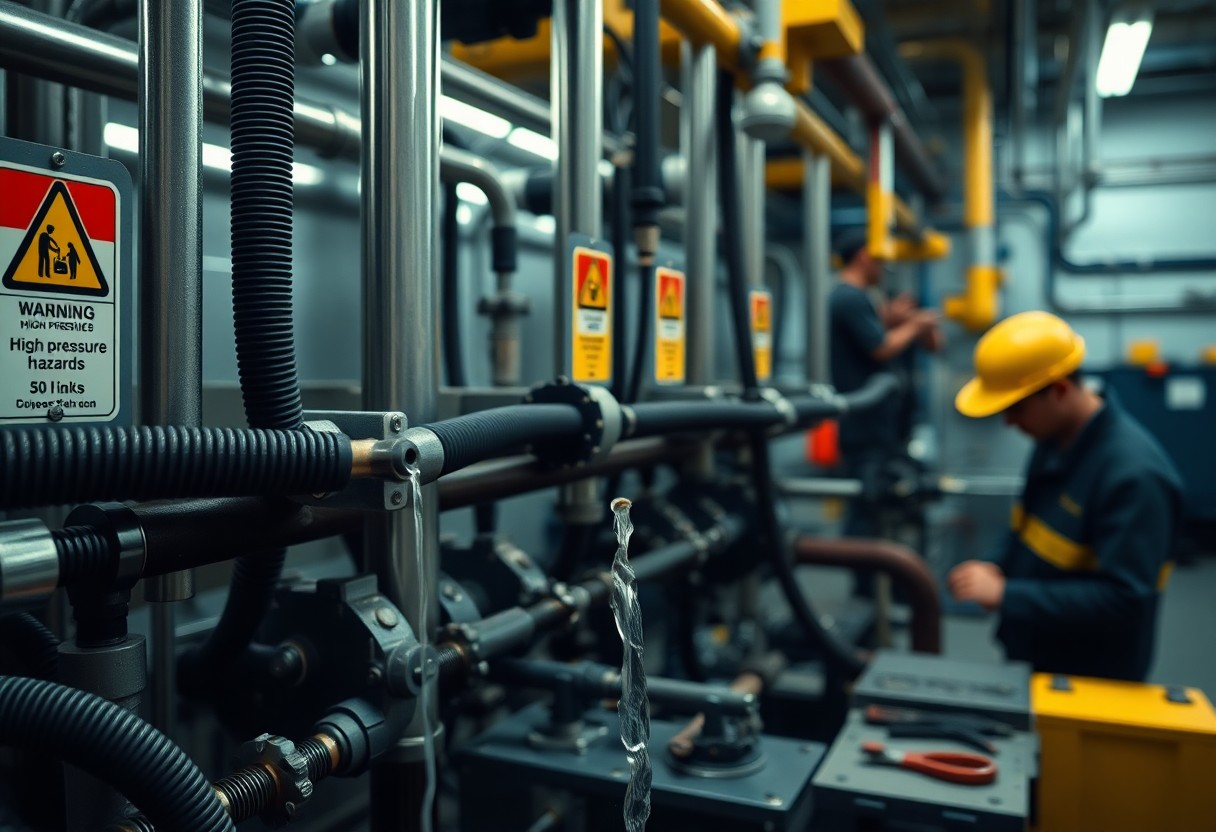
There’s a significant risk associated with hydraulic systems, particularly when it comes to high-pressure leaks. Understanding the mechanics of these systems can help you identify potential hazards, enabling you to protect yourself and your equipment. High-pressure leaks can lead to dangerous situations, including serious injuries and costly damages. By recognizing the signs of a leak and implementing proper maintenance practices, you can ensure safety and efficiency in your hydraulic operations. Stay informed and proactive to minimize risks and safeguard your investment.
Key Takeaways:
- High-pressure leaks in hydraulic systems can lead to significant safety hazards, including personnel injuries and equipment damage.
- Regular maintenance and inspections are imperative to identify potential leak sources and prevent catastrophic failures.
- Implementing safety protocols and using protective equipment can mitigate risks associated with high-pressure hydraulic leaks.
Understanding Hydraulic Systems
Basics of Hydraulic Systems
Hydraulic systems operate on the principle of Pascal’s law, which states that a change in pressure applied to an enclosed fluid is transmitted undiminished throughout the fluid. This principle allows for the transfer of force and energy via hydraulic fluids, enabling machinery and equipment to perform specific tasks. Typically, these systems utilize oil, which is preferred for its lubricating properties and resistance to compressibility, making it ideal for high-pressure applications.
In a hydraulic system, energy is converted and transmitted by fluid movement. When you control the flow of this fluid, you effectively steer the operation of various mechanical devices. This ability to control power and movement through fluid dynamics makes hydraulic technology an industry favorite for applications ranging from automotive brakes to heavy machinery used in construction.
Components of Hydraulic Systems
Every hydraulic system consists of several key components, including pumps, valves, actuators, and reservoirs. Pumps are responsible for converting mechanical energy into hydraulic energy by moving the fluid through the system. Valves control fluid flow and pressure, while actuators, such as hydraulic cylinders or motors, translate hydraulic energy back into mechanical energy for operational tasks. Lastly, a reservoir stores hydraulic fluid, helping maintain system pressure and compensate for fluid losses.
Understanding the function and interaction of these components is crucial. For instance, if a pump fails, it can lead to insufficient pressure throughout your system, causing poor performance or equipment failure. Similarly, malfunctioning valves can result in unregulated fluid flow, potentially creating hazardous pressure spikes and increasing the risk of leaks. Thus, regular maintenance and monitoring of these components can significantly enhance the reliability and safety of your hydraulic systems.
In more detail, the hydraulic pump often plays a pivotal role in ensuring system efficiency. For instance, gear pumps are commonly used for their ability to produce a steady flow, while piston pumps are favored for high-pressure applications due to their capability to handle greater loads. Choosing the right type of pump for your specific hydraulic system is crucial for optimal performance, and understanding the limitations of each type can prevent significant operational issues down the line.
Causes of High-Pressure Leaks
Material Fatigue
One common cause of high-pressure leaks in hydraulic systems is material fatigue. Over time, the continuous stress on hoses, seals, and fittings can lead to microscopic cracks and wear. As hydraulic fluid cycles through the system, the constant pressure can exacerbate these weaknesses, resulting in catastrophic failures. For instance, research indicates that approximately 30% of hydraulic system failures stem from compromised materials, especially when subjected to extreme temperatures or corrosive environments.
Regular inspections play a vital role in identifying signs of material fatigue before they lead to leaks. You should look out for bulges, cracks, or unusual wear on hydraulic hoses and fittings. By replacing components that show signs of degradation, you can significantly reduce the risk of high-pressure leaks, ensuring that your hydraulic systems function efficiently and safely.
Improper Installation
Improper installation is another significant contributor to high-pressure leaks. When hydraulic components are not installed correctly, it can compromise the integrity of the connections, leading to leaks when the system is pressurized. For example, over-tightening or under-tightening connections can result in failure points that are susceptible to leakage. According to reports, nearly 40% of leaks are attributed to errors made during installation, emphasizing the importance of following manufacturer guidelines closely.
To mitigate the risks associated with improper installation, you should always follow standard operating procedures and use appropriate tools. It’s beneficial to utilize torques specified by the manufacturer and ensure that all fittings are compatible with the materials used in your hydraulic system. Conducting a thorough review of installation procedures can save you from costly downtime due to unexpected leaks.
Moreover, inadequate training of personnel can lead to mistakes during installation. Investing in training programs that focus on best practices for hydraulic system assembly can enhance the skills of your team. Ensure that each technician understands the key principles and the criticality of proper installation techniques to avoid potential high-pressure leaks.
Identifying High-Pressure Leaks
Visual Inspection Techniques
Start your leak identification process with a thorough visual inspection of all hydraulic components. Look for signs of fluid seepage around seals, fittings, and hose connections. Discoloration, which can indicate oil stains, or the presence of a film on the surface is a clear sign of a potential leak. Ensure you inspect hard-to-reach areas by utilizing mirrors or inspection cameras. Take note of any unusual wear patterns on moving parts, as these can signal developing leaks due to friction or misalignment.
Additionally, pay attention to any unusual noises emanating from the hydraulic system, such as hissing or whining sounds, which could suggest escaping fluid under pressure. Regularly examining the operational environment can also help; puddles or spots on the ground beneath machinery are classic indicators of leaks needing your immediate attention.
Utilizing Pressure Testing
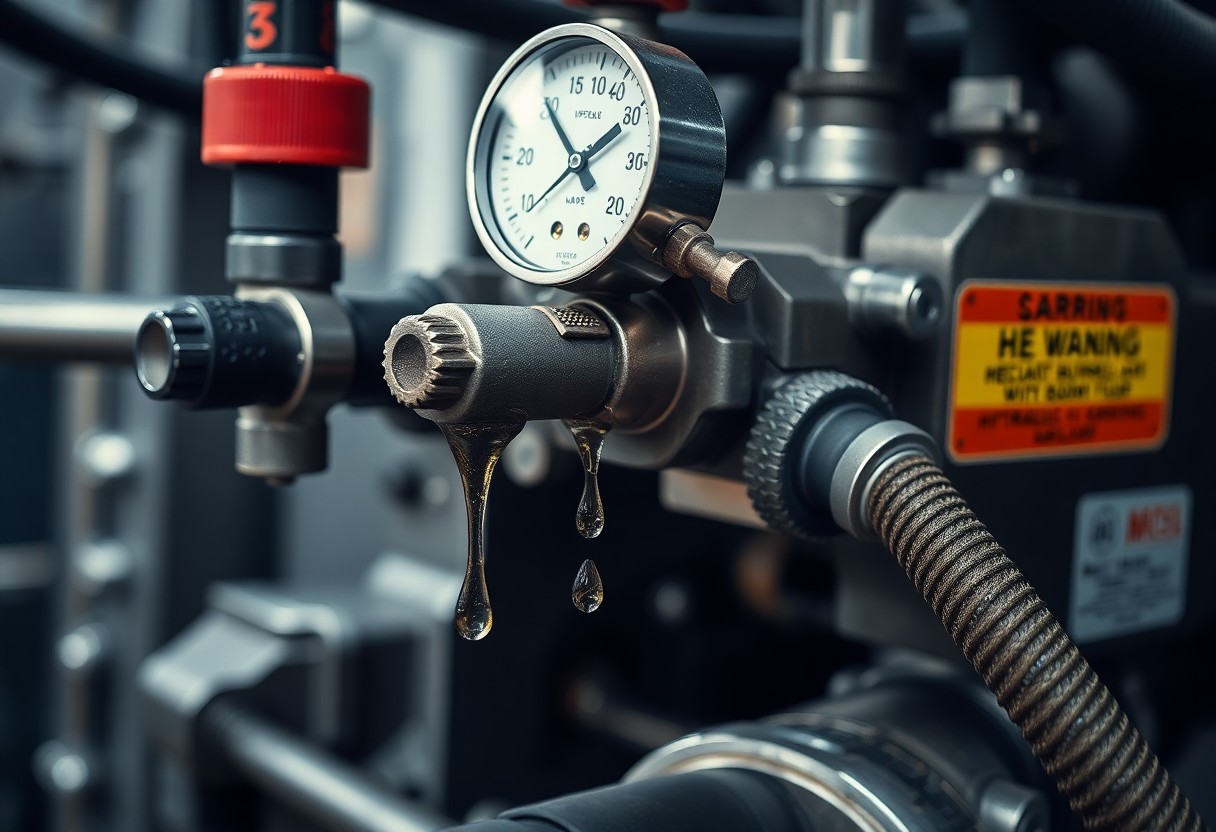
This method involves applying pressure to the hydraulic system, allowing you to detect leaks with precision. By incorporating a pressure gauge, you can monitor the system’s ability to maintain consistent pressure levels. Should you observe a drop in pressure, coupled with a rise in fluid usage, it’s a strong indication that a leak exists. Use this technique after any maintenance work to verify the integrity of hoses, fittings, and connections.
Pressure testing can also be optimized by using dye penetrants or ultrasonic leak detectors during this process. Dye penetrants can illuminate leaks that might otherwise be invisible to the naked eye by leaving a colored residue. On the other hand, ultrasonic detectors can pick up high-frequency sound waves generated by fluid escaping under high pressure, providing a non-invasive means to confirm the presence of a leak. Implementing these advanced techniques ensures a robust leak detection strategy that enhances the safety and performance of your hydraulic systems.
Consequences of High-Pressure Leaks
Safety Risks
High-pressure leaks pose significant safety risks to personnel operating or working near hydraulic systems. When a leak occurs, pressurized fluid can explosively escape, potentially leading to serious injuries such as lacerations or fluid injection injuries. In fact, studies indicate that hydraulic fluid under pressure can penetrate the skin at speeds over 700 mph, endangering anyone within proximity. To mitigate these risks, it’s crucial to use proper personal protective equipment (PPE) and implement stringent safety protocols during maintenance and operation.
Moreover, a high-pressure leak can result in operational hazards beyond immediate injuries. If fluid escapes near flammable materials, it can ignite and create fire risks, leading to catastrophic consequences. Contained high-pressure systems should always have appropriate safety features, such as pressure relief valves and burst discs, to reduce the potential for hazardous leaks and improve overall workplace safety.
Equipment Damage
Consequences of high-pressure leaks extend well beyond safety concerns; they can lead to significant equipment damage as well. Leaking fluids can erode hydraulic components over time, causing premature wear and failures. For example, if a hose bursts due to excessive pressure, it may not only compromise that specific part but also damage nearby components through hydraulic shock or fluid contamination. This results in costly replacements and extended downtime, impacting overall productivity.
Additionally, the loss of hydraulic fluid pressure can cause systems to operate inefficiently, resulting in overheating and further repercussions on system longevity. You should be proactive in inspecting components regularly and responding swiftly to any signs of leakage, as this can prevent escalation into more severe damage and high repair costs down the line.
Preventive Measures
Regular Maintenance
Performing regular maintenance on your hydraulic systems is an crucial step to prevent high-pressure leaks. You should establish a routine inspection schedule, monitoring components such as hoses, fittings, and seals for wear and damage. Implement a detailed checklist during inspections to ensure nothing slips through the cracks. Utilizing Small Leaks in Hydraulic Equipment Cause Big Problems can also help you understand potential issues before they escalate. Documenting findings will allow you to track changes in your system’s condition over time, which aids in proactive decision-making.
Moreover, addressing minor issues promptly can save you from more significant problems down the line. This includes replacing worn-out components, tightening loose fittings, or performing fluid changes as needed. Investing time in a well-planned maintenance protocol minimizes risks associated with hydraulic failures while extending the lifespan of your equipment.
Utilizing Quality Components
Choosing high-quality components for your hydraulic systems is non-negotiable. Inferior parts can lead to compromised reliability and increased vulnerability to leaks. Look for components that meet recognized industry standards to ensure optimal performance under high-pressure conditions. When choosing hoses and fittings, prioritize those made from durable materials capable of withstanding extreme temperatures and pressures.
Using top-tier components not only reduces leak potential but also contributes to a more efficient system overall. For example, quality hydraulic hoses are less likely to expand under pressure, maintaining integrity in high-stress situations. Additionally, reputable manufacturers often provide warranties and support, offering reassurance that you’re investing in durability and reliability.
Response to High-Pressure Leaks
Emergency Procedures
In the event of a high-pressure leak, immediate action is important to mitigate dangers. First, shut down the hydraulic system promptly and isolate power sources to prevent further leakage and potential injuries. You should then evacuate personnel from the area and establish a safety perimeter, ensuring that only trained responders are present. Using appropriate personal protective equipment (PPE), assess the situation to gauge the extent of the leak.
Following initial containment, the priority shifts to controlling the spill and preventing environmental contamination. If a leak is actively spraying hydraulic fluid, try to redirect the fluid flow to a contained area or absorbent materials, ensuring that you’re not exposed to the hazardous fluid. Communication with emergency services may be necessary, especially if the situation escalates.
Repair vs. Replacement
Deciding whether to repair or replace a compromised hydraulic component involves several considerations. If the damage is minor and the part can be quickly repaired, that often presents a more cost-effective and time-efficient solution. However, if the leak results from significant wear, corrosion, or is recurrent, replacement is frequently the best course of action. Components such as hoses and seals are generally less expensive to replace than to repair, especially when considering the potential safety risks associated with high-pressure systems.
Evaluating the lifecycle of the hydraulic equipment can also inform your decision. For instance, if components have exceeded their recommended lifespan or exhibit multiple issues, investing in replacements may enhance overall system reliability and performance, significantly reducing downtime in the long run.
Final Words
As a reminder, maintaining hydraulic systems is imperative for ensuring safe and efficient operation. You should always be vigilant about high-pressure leaks, as they can lead to serious safety hazards and costly downtime. Regular inspections and adherence to maintenance schedules will help you identify potential issues before they escalate into larger problems. Familiarize yourself with the common signs of leaks to take immediate action when necessary.
Your knowledge and proactive approach can significantly reduce the risks associated with high-pressure hydraulic systems. By understanding the systems you work with and implementing best practices for leak prevention, you enhance not only your own safety but also the integrity of your equipment. Taking these steps ensures that you operate with peace of mind, free from the unexpected ramifications of hydraulic failure.
FAQ
Q: What are the signs of a high-pressure leak in hydraulic systems?
A: Common signs include visible fluid spray, hissing or whistling sounds, a drop in system pressure, and fluid pooling around fittings or seals. Regular inspection can help identify these symptoms early.
Q: How can high-pressure leaks in hydraulic systems be prevented?
A: Preventative measures include regular maintenance checks, the use of high-quality seals and fittings, tight connections, and ensuring proper system design to withstand operating pressures.
Q: What should be done immediately if a high-pressure leak is detected?
A: Immediately shut down the hydraulic system, relieve all pressure, and isolate the affected area. Consult a qualified technician for repairs and avoid contact with leaking fluid to prevent injury.
Leave a Reply