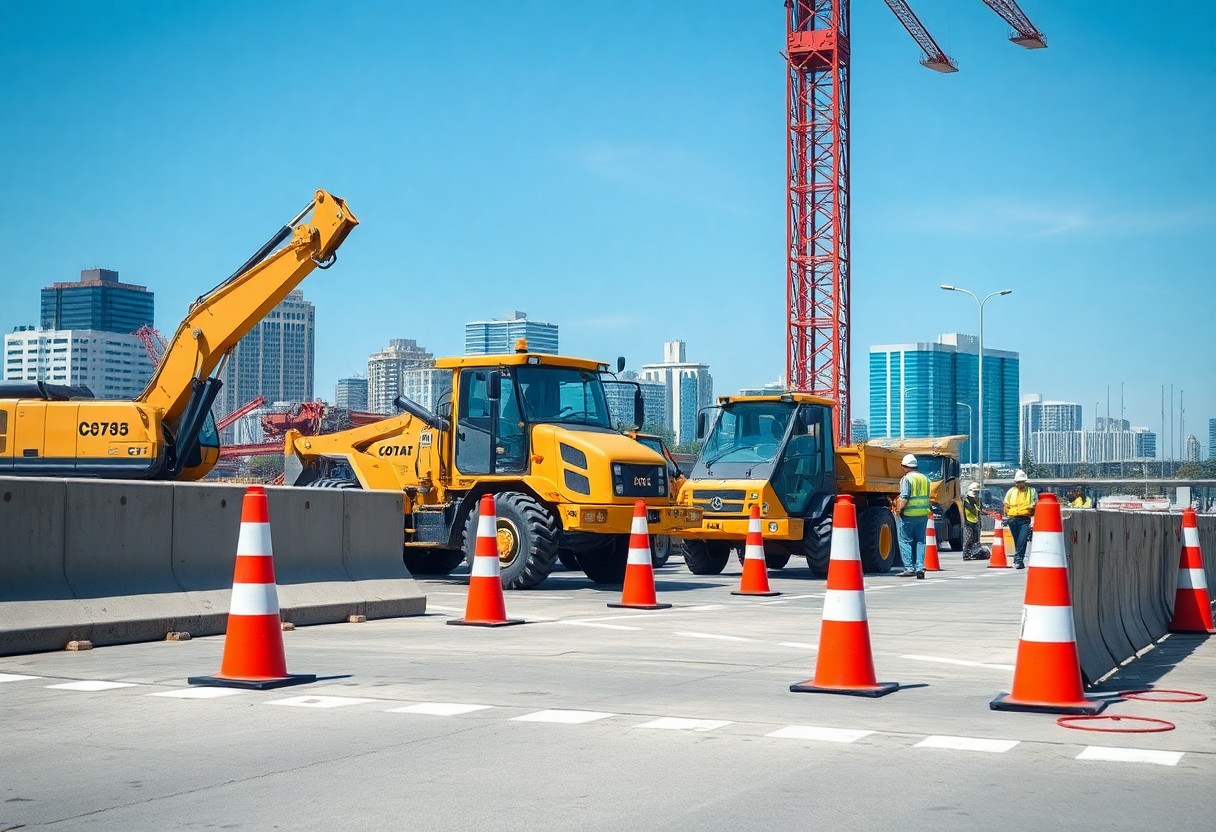
Just when you think you’re safe on the road, construction zones can pose significant hazards if you’re not alert. These areas require your full attention as they often have narrowed lanes, unexpected detours, and heavy equipment in use. By keeping your distance and staying visible, you can navigate these zones safely and reduce the risk of accidents. Staying informed about traffic patterns and adhering to signage are vital steps towards ensuring your safety and that of construction workers.
Key Takeaways:
- Stay vigilant while driving through construction zones to ensure safety for yourself and workers.
- Use clear signage and lighting to enhance visibility and aid navigation.
- Adhere to posted speed limits and be prepared for sudden changes in traffic patterns.
Understanding Construction Zones
Common Hazards
When navigating construction zones, you must be aware of prevalent hazards that could impact your safety. Uneven surfaces, large machinery, and workers in proximity each present risks. It’s important to stay alert for flashing lights and signage indicating potential dangers. Falling objects can also pose significant threats, as materials may be temporarily stored overhead or dropped by workers unaware of your presence.
In addition, traffic detours can lead to unexpected changes in driving patterns, increasing potential for accidents. You should look out for pedestrian barriers, which are sometimes improperly placed, and always maintain a safe distance from equipment in operation. By understanding these common hazards, you can navigate construction areas with greater confidence.
| Hazard | Description |
| Uneven surfaces | Increased risk of tripping or falling |
| Large machinery | Presence of heavy equipment that may be moving |
| Falling objects | Materials that could drop from heights |
| Traffic detours | Unpredictable driving patterns |
| Pedestrian barriers | Improper placement creating obstacles |
Types of Construction Zones
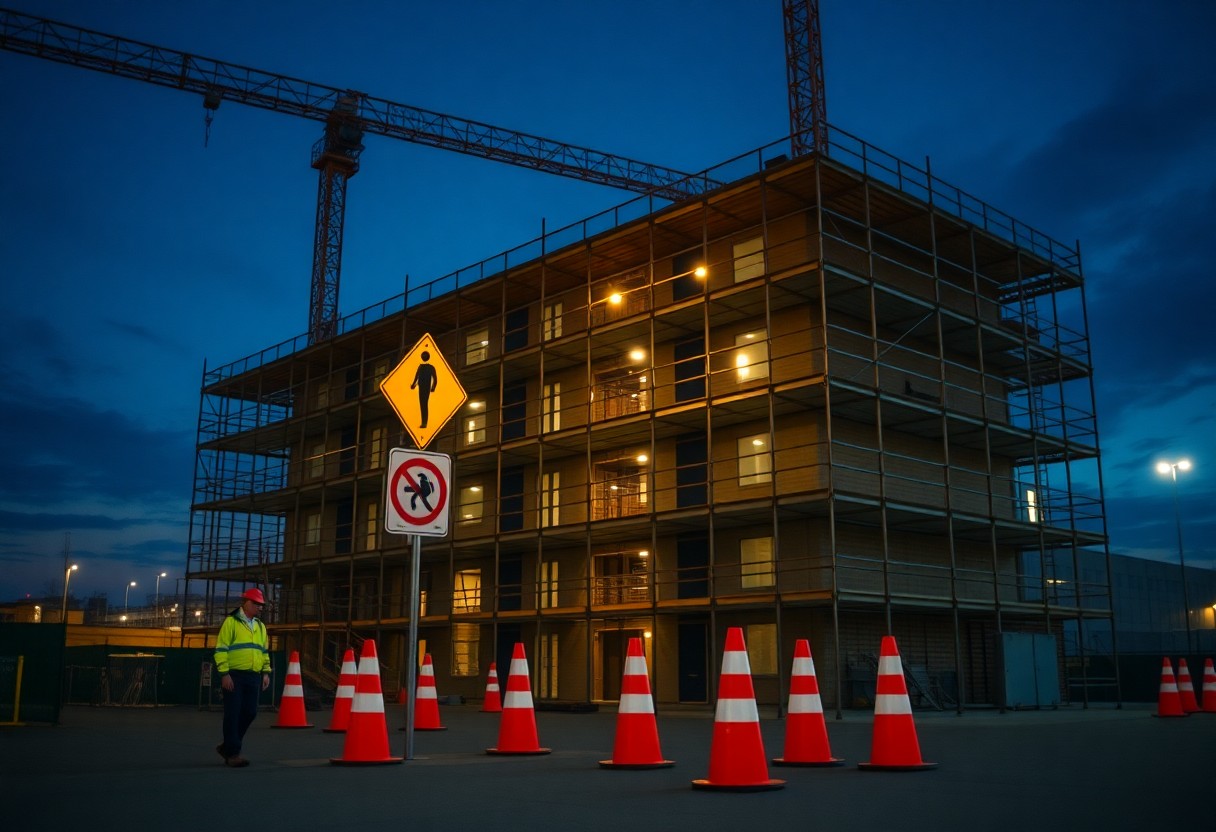
Construction zones can vary significantly based on the project’s scope and location. You may encounter road work zones, which are common on highways and local streets; they often include lane reductions and detours. Building sites are another type, where structures are being erected or renovated. These areas typically have more extensive safety measures in place to protect both workers and pedestrians, but you should remain vigilant nonetheless.
In addition to these, utility work zones require special attention. They often involve digging and trenching along sidewalks or roads to repair or install new infrastructure. Another type is demolition zones, where existing structures are taken down, creating hazards from debris. Understanding these different types helps you recognize specific risks associated with each situation, enhancing your personal safety.
| Type of Zone | Description |
| Road work zone | Construction on highways or local streets |
| Building site | New construction or renovations |
| Utility work zone | Involves digging for repairs or new installations |
| Demolition zone | Areas where structures are dismantled |
| Special event zones | Temporary areas set up for specific occasions |
Each construction zone type has distinct features and hazards that require your full attention. For instance, while navigating road work zones, you may need to slow down significantly and adhere to new traffic patterns. In building sites, the presence of hoists and scaffolding can complicate pedestrian movement. Awareness of these varying environments is important for ensuring both your safety and the safety of those around you. The information can help you adapt your behavior as needed in different scenarios.
- Road work zones require special traffic awareness.
- Building sites present risks from construction activities.
- Utility work zones often have limited access and require caution.
- Demolition zones involve falling debris hazards.
- Special event zones may disrupt usual traffic patterns.
Importance of Staying Alert
Staying alert in construction zones is integral to ensuring safety for all road users. Distractions or a lapse in attention can lead to severe accidents, causing injuries or fatalities. In fact, statistics show that over 20% of traffic fatalities occur in work zones, highlighting the urgency for vigilance. Being aware of your surroundings and the changing conditions in these zones allows you to react promptly to hazards, such as sudden stops, workers in roadways, or unfamiliar detours.
Drivers’ Responsibilities
As a driver, your responsibilities extend beyond merely obeying posted signs. You must actively anticipate how construction zones can affect traffic flow and your own driving patterns. For example, you’ll have to reduce your speed when you notice slow-moving vehicles or machinery ahead; state laws often impose stricter speed limits in work zones, with fines potentially doubling for violations. Additionally, using your turn signals and maintaining a safe distance from other vehicles is crucial in these unpredictable environments.
Workers’ Safety Measures
The safety of construction workers hinges on both their readiness and the cooperation of drivers. Workers are trained to use high-visibility vests, hard hats, and protective gear to make themselves as noticeable as possible. Implementing traffic control measures, such as barriers and cones, is also vital to keep both vehicles and personnel safe. Furthermore, ongoing communication through radio systems helps crew members stay informed about vehicle movements, ensuring that they can take preventative actions when necessary.
In addition to standard gear, workers should participate in regular safety drills and trainings to familiarize themselves with potential hazards specific to their sites. These proactive steps, combined with equipment like lighted signs and flashing beacons, contribute significantly to minimizing accidents. Awareness thus amplifies the collective responsibility shared between drivers and workers, creating a safer environment for all involved.
Visibility in Construction Zones
Signage and Markings
Proper signage and markings are vital for ensuring safety in construction zones. You will encounter a range of signs that indicate various hazards, directions, and important information. These signs should be positioned at strategic locations to catch your attention, allowing you to adapt to sudden changes or potential dangers. For example, bright orange traffic cones, warning signs, and barriers work together to define safe paths and restricted areas, reducing confusion while navigating through the zone.
The effectiveness of these markings relies on their visibility. Signs should be reflective and well-maintained, with clear and legible fonts that can be read from a distance. You should always stay aware of these indicators and adhere to any posted instructions, as they are designed to protect you and everyone else in the vicinity.
Use of High-Visibility Clothing
Wearing high-visibility clothing is necessary for enhancing your safety in construction zones. This type of clothing, often made from fluorescent materials and featuring reflective strips, allows you to stand out against the backdrop of equipment and materials. As you move about the site, the likelihood of being seen by operators and other workers increases significantly, which can prevent accidents before they happen. It is advisable to wear these garments even during daylight, as they enhance visibility in various weather conditions and at dusk.
Investing in high-visibility clothing should be considered a priority for anyone working in or near construction zones. The specific standards, such as ANSI/ISEA 107, ensure that the clothing meets safety regulations, providing you with the assurance that you are taking appropriate measures to keep yourself safe. Additionally, wearing such clothing can foster a culture of safety on site, reminding others of the importance of visibility and attentiveness in potentially hazardous environments.
Best Practices for Drivers
Reducing Speed
When you approach a construction zone, it is necessary to reduce your speed significantly. Speed limits are often lowered in these areas for a reason, with some as low as 10 to 25 mph depending on the work being performed. By adhering to these limits, you not only protect yourself but also the workers on site who are vulnerable to accidents caused by speeding vehicles. In fact, studies show that impact severity decreases by over 30% when drivers slow down in construction zones.
Slowing down also improves your ability to respond to sudden changes, such as unexpected lane shifts or workers stepping into the roadway. Always stay vigilant for flashing lights, signs, and flaggers who guide you through these situations. Maintaining a safe speed allows for better reaction time, ensuring everyone on and off the road can complete their work and travel safely.
Avoiding Distractions
To navigate construction zones safely, it is imperative that you avoid distractions. Activities such as texting, adjusting your radio, or using your phone can lead to quick and potentially fatal situations. In fact, distracted driving accounts for approximately 25% of all traffic-related accidents, highlighting the importance of your full attention while on the road. Put down your phone and keep your eyes focused on the road, especially in areas where workers are present.
Stay aware of your surroundings, scan the area for sudden changes, and remain alert to the actions of other drivers and construction personnel. Being present in the moment enhances your ability to identify hazards early and adjust your driving accordingly. It’s not just about avoiding a ticket; it’s about ensuring that you and those around you remain safe during your travels.
Best Practices for Construction Workers
Safe Work Practices
Adopting safe work practices is important in minimizing risks on construction sites. Always wear the appropriate personal protective equipment (PPE), including hard hats, gloves, and high-visibility vests. Regularly inspect your tools and equipment to ensure they are in good working condition. Additionally, familiarize yourself with the specific hazards of your job site; for instance, if you are working near heavy machinery, maintain awareness of the equipment’s position and movements to avoid accidents.
Implementing a site safety plan can further enhance workplace safety. This includes conducting daily safety briefings to discuss the tasks at hand, potential hazards, and emergency procedures. Engaging in proactive risk assessments allows you to identify safety concerns before they arise, ensuring you and your team can work safely and efficiently.
Communication with Drivers
Effective communication with drivers in and around construction zones can greatly reduce the likelihood of accidents. Use clear, standardized hand signals and maintain eye contact whenever possible. Employing flaggers to direct traffic provides additional safety and ensures that drivers are aware of changing conditions and potential hazards as they approach the site. Utilizing safety cones, signage, and flashing lights is important; these tools maintain visibility and provide necessary warnings to drivers.
Additionally, consider the use of technology to enhance communication efforts. Implementing two-way radios can facilitate instant communication between construction workers and flaggers, allowing for quick notifications of any changes that may affect traffic flow. This strategy keeps both workers and drivers informed and responsive, fostering a safer environment for everyone involved.
Legal Implications of Construction Zone Violations
Penalties for Drivers
If you violate construction zone regulations, the penalties can be significant. Traffic fines in construction areas often escalate; for instance, exceeding the speed limit can incur fines that are 2 to 3 times higher than in non-construction zones. Furthermore, in many jurisdictions, repeat offenders face increased penalties, which may include enhanced charges and points on your driving record. This can adversely affect your insurance premiums, leading to higher costs for years to come. Understanding these financial repercussions can help you make informed decisions when navigating work zones.
Additionally, driving recklessly in a construction zone may result in charges related to endangerment. If your actions cause an accident or injury, not only will you face fines, but you may also have to deal with civil lawsuits from affected workers or other drivers. Prioritizing safety in these areas is vital to avoid both legal and financial repercussions. For helpful tips on safe practices, consider exploring Safe Habits to Adopt In and Around Construction Work Zones.
Liability for Accidents
In the event of an accident in a construction zone, determining liability can be complex. If you are found to be operating your vehicle negligently—such as failing to adhere to posted signs or speed limits—you could bear the majority of the liability. It’s not just your driving that’s scrutinized; the responsibility may also extend to the construction company if their signage or barriers were inadequate or improperly installed. This collaborative assessment of liability is critical, as it impacts the related compensation claims that individuals may initiate following an accident.
Moreover, sometimes construction workers may also share some liability if they were acting outside their work guidelines or if the construction zone was not properly maintained. Injuries sustained in these areas often lead to evaluating whether all parties involved, including construction firms and drivers, adhered to safety protocols. By understanding these nuances of liability, you can better navigate potential legal outcomes post-accident.
To wrap up
Following this guidance, you must prioritize your safety and visibility when navigating construction zones. Being aware of your surroundings allows you to avoid potential hazards and ensures that you remain within marked areas. Pay attention to signage and flaggers, as they provide necessary information to keep you and construction workers safe.
Your actions in construction zones significantly impact not only your safety but also the efficiency of ongoing projects. By adhering to the regulations and staying alert, you contribute to a safer environment for everyone involved. Always stay attentive, and adjust your behavior based on the evolving conditions around you.
Q: What should I do if I am driving through a construction zone?
A: When driving through a construction zone, reduce your speed, follow posted signs, and watch for workers and equipment. Ensure that you stay in your lane and be prepared for sudden stops or changes in traffic patterns.
Q: How can pedestrians stay safe around construction zones?
A: Pedestrians should always use designated crosswalks, obey signs, and stay alert for construction vehicles and workers. Avoid walking through active construction areas and use sidewalks whenever available.
Q: Why is visibility important in construction zones?
A: Visibility is important in construction zones to prevent accidents and ensure the safety of both workers and drivers. Bright clothing, proper signage, and adequate lighting help to alert all parties to potential hazards.
Leave a Reply