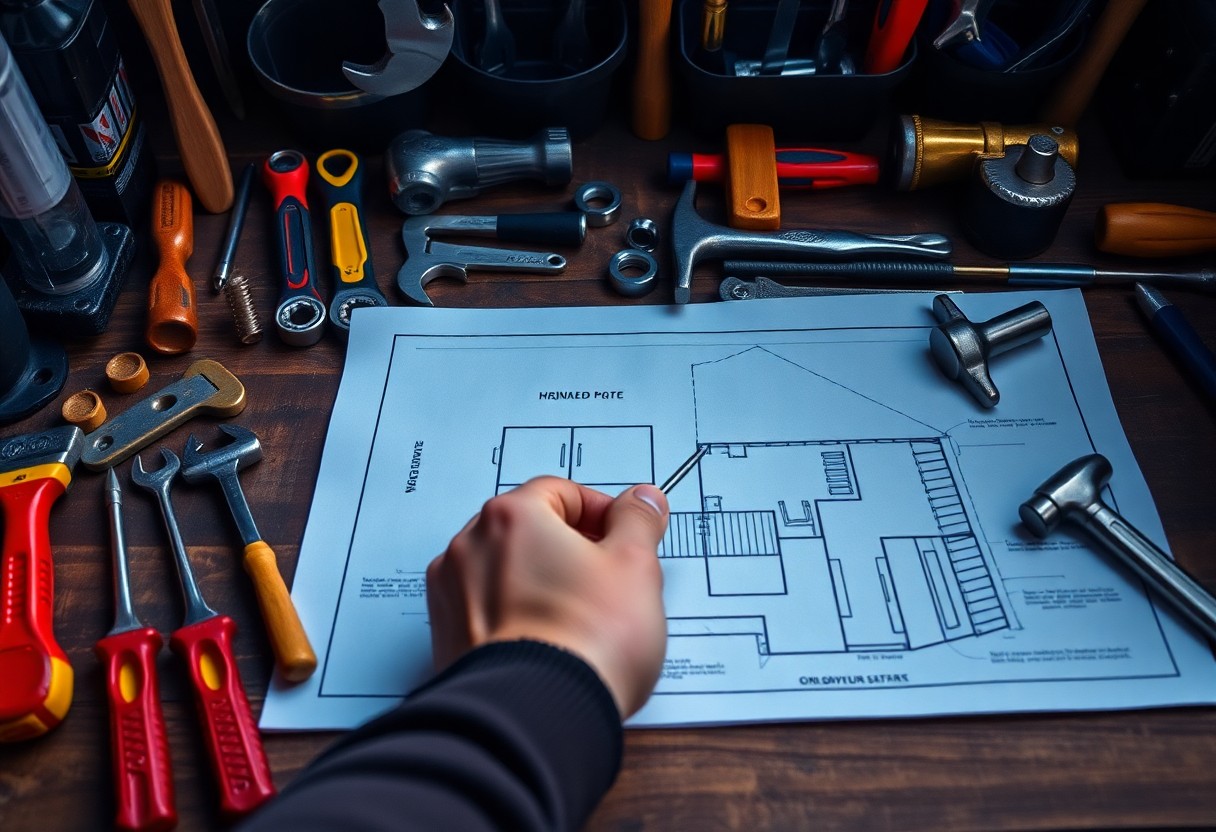
Just choosing the right tool can significantly improve your productivity and ensure safety on any project. Using inappropriate tools can lead to inefficient work and potential injuries, making it important for you to assess your task and select the most suitable option. Understanding the functions and limitations of various tools enhances your efficiency and results. By focusing on quality and compatibility, you can achieve better outcomes and enhance your overall experience with every task you undertake.
Key Takeaways:
- Select tools that match the specific requirements of the task to enhance efficiency.
- Evaluate the pros and cons of each tool based on functionality, ease of use, and compatibility.
- Stay updated on new tools and technologies to ensure optimal tool selection for various tasks.
Importance of Tool Selection
Impact on Efficiency
Using the right tool can streamline your workflow, minimizing time spent on a task. For instance, when conducting repairs, choosing a power drill instead of a manual screwdriver can reduce the effort and duration of the job significantly. In construction, switching to a laser level rather than a traditional level can enhance accuracy and speed, cutting down project timelines by as much as 30%.
Moreover, appropriate tool selection can decrease the risk of accidents and injuries on the job. Consider that a worn-out or inappropriate tool can lead to delays from injury-related downtime or unexpected equipment failure. By ensuring you select the right tool for the right job, you effectively reduce these risks and keep your projects moving forward without unnecessary holdups.
Influence on Quality of Work
The quality of your work can vastly improve when you select the appropriate tools. For example, utilizing a high-quality chisel for woodworking ensures better precision and cleaner edges compared to a dull or incorrect model. In industries like plumbing, using the right fittings and tools can prevent leaks, which might save costly repairs and customer dissatisfaction later.
In manufacturing, utilizing machines tailored for specific tasks can enhance the final product’s quality. When you match tools with operational requirements, the alignment and execution of your tasks improve to meet higher standards. This is not merely about aesthetic quality; it directly impacts functionality, longevity, and user satisfaction.
Additionally, the right tools foster a productive mindset. When you know you have the best equipment suited for your tasks, it often translates into greater confidence in your abilities, which can elevate the overall quality of your output. As you become accustomed to reliable tools, you’ll find that not only does your work improve, but so does your overall efficiency and satisfaction in your craft.
Types of Tools
Selecting the right tool for the task at hand is important for achieving optimal results efficiently. Tools are generally categorized into two main types: hand tools and power tools. Each category has its unique advantages, specific uses, and design considerations that make them suited for different applications.
- Hand Tools: Operated manually without a power source.
- Power Tools: Electrically or battery-operated tools, designed for speed and precision.
- Specialized Tools: Designed for specific tasks such as plumbing or electrical work.
- Cutting Tools: Tools designed for slicing materials, including knives and saws.
- Measuring Tools: Essential for ensuring accuracy in cuts and installations.
| Type of Tool | Description |
|---|---|
| Hand Tools | Tools that are powered by human effort, such as hammers and screwdrivers. |
| Power Tools | Tools that utilize electricity or batteries for enhanced performance. |
| Specialized Tools | Tools designed for specific professions or tasks. |
| Cutting Tools | Include saws, knives, and scissors for cutting materials. |
| Measuring Tools | Ensure precision in your work, including tape measures and levels. |
Hand Tools
Hand tools serve a variety of purposes and are often the go-to option for tasks requiring finesse and control. Examples include pliers, wrenches, and screwdrivers, all of which allow you to perform tasks like fastening, bending, and cutting with a personal touch. Hand tools are less expensive compared to power tools and do not require electricity, making them accessible for most projects.
Moreover, using hand tools can enhance your skill level as they necessitate more attention and technique. For instance, using a hand saw can help you develop a better understanding of the material properties and the importance of cutting angles, improving your overall craftsmanship. After you become proficient, you may find hand tools provide unique advantages, including portability and ease of storage.
Power Tools
Power tools revolutionize the way you approach labor-intensive tasks by significantly reducing the time and effort required. Equipped with electric motors, these tools include drills, saws, and sanders that can accomplish complex tasks more efficiently than hand tools. For instance, a cordless drill allows you to quickly drill into various materials while providing consistent torque and speed.
Furthermore, safety features in modern power tools, like automatic shut-offs and protective guards, make them easier to use while minimizing risks. However, it’s important to familiarize yourself with each tool’s specifications and safety protocols before use. After mastering the operational aspects, you’ll find that power tools can dramatically increase your productivity, enabling you to tackle larger projects with confidence.
Power tools also come in various formats, including pneumatic, battery-operated, and corded variants, each catering to specific needs and ideal scenarios. The right choice hinges on your requirements and the nature of the task at hand, affecting portability, power, and runtime. Prioritize understanding these nuances to maximize your effectiveness in any setting.
Assessing Task Requirements
Evaluating Project Scope
To effectively choose the right tools, you must first evaluate the project scope. Assess the size and complexity of the project, considering factors such as the timeline and resources available. For example, a small home improvement task may require minimal tools, whereas a large renovation project may necessitate an array of specialized instruments, from power tools to safety equipment. Understanding the scope helps you identify not only which tools are required but also how many and what types you’ll need to get the job done efficiently.
In addition to scope, it’s vital to assess your skill level and the skills of those working with you. If you are comfortable using specific tools effectively, you can streamline operations by selecting tools that leverage your strengths. On the other hand, if you or your team lacks experience, it may be wise to select more user-friendly tools or invest in training to maximize safety and efficiency.
Understanding Material Needs
Your choice of tools significantly depends on the materials you will be working with. Different materials, such as wood, metal, or masonry, each require specific tools for optimal handling. For example, if you’re working with hardwood, you’ll benefit greatly from a table saw equipped with fine-tooth blades for clean cuts, while softwoods might be adequately tackled with a circular saw. Analyzing the materials early in your planning process allows you to gauge the necessary tools and avoid complications during the project.
Investing time in understanding material needs also allows you to anticipate challenges such as durability, weight, and compatibility with tools. For instance, if you plan to work with heavy materials, you’ll need tools that not only have the power to handle the weight but also ensure safety during operation. Additionally, unique finishes like laminates or composites may require special drill bits or saws to prevent damage, ensuring the quality of your work remains high.
Matching Tools to Tasks
Selecting the Right Hand Tool
In the context of hand tools, your selection can dramatically affect both the quality of your work and your safety. For instance, using a specific screwdriver for a particular screw type prevents stripping and ensures a tighter fit. Similarly, investing in a proper set of pliers for tasks such as gripping, twisting, and cutting can provide a more ergonomic solution while reducing the risk of slips and injuries. Opt for tools that feel comfortable in your hands—this can lead to improved control and precision.
Additionally, consider the material from which the tools are made. For example, high-carbon steel tools generally offer better strength and durability, which is imperative for heavy-duty tasks. Always inspect your hand tools regularly for wear and damage; a worn blade or a chipped tool can compromise safety and effectiveness. Choosing the right hand tools tailored to specific tasks ensures you complete your projects efficiently and without unnecessary complications.
Choosing Appropriate Power Tools
Power tools can significantly reduce the time and effort required to complete a job, but selecting the appropriate tool for the task is vital. A cordless drill could be perfect for driving screws in tight spaces, while a table saw provides precision and speed for cutting large pieces of material. It’s imperative to match the tool not only to the material but also to the task at hand; for instance, using a jigsaw for intricate cuts or a circular saw for straight lines ensures you maintain a high level of accuracy.
Moreover, understanding the specifications, such as voltage and amperage, is critical when choosing power tools. Higher voltage often means greater power, but this also may impact portability and usability. Tools like impact drivers offer higher torque and speed, making them ideal for heavy-duty screw driving tasks. Ensure the tool you select aligns with the demands of the project for best performance.
Safety must also factor into your choice of power tools. Always assess whether the tool includes safety features such as automatic shutoff or protective guards. These features reduce risks significantly while operating in challenging conditions. Familiarize yourself with the proper operation procedures for each power tool to maximize not only efficiency but also safety during use.
Safety Considerations
Personal Protective Equipment
When choosing tools, you must also prioritize your personal protective equipment (PPE). This includes selecting items such as helmets, gloves, safety glasses, and steel-toed boots that fit the specific hazards of your task. For instance, when using power tools, wearing vibrating-resistant gloves can prevent long-term hand and arm injuries. Protecting your eyes from flying debris is equally important, especially in a work environment where sharp materials are prevalent. Regularly inspect your PPE for wear and tear, and replace items that are no longer protective.
Additionally, consider the working environment and the nature of your task when choosing PPE. In wet or slippery conditions, using non-slip footwear can significantly reduce your risk of falling. If dealing with corrosive materials, resistant clothing can protect your skin. An informed choice of How to Choose the Right Tool for the Job: A Lineman’s Guide includes evaluating potential risks and equipping yourself accordingly.
Safe Tool Handling Practices
Implementing safe tool handling practices is necessary to minimize accidents in any task. Always inspect your tools before use, checking for any signs of damage or malfunction. For example, if a power tool shows frayed cords or loose components, it’s best to refrain from using it until repairs are made. Understanding how each tool works and adhering to operational guidelines can help you avoid mishaps.
Another practice is maintaining a tidy workspace, as clutter can lead to accidents. Keep tools securely stored when not in use to prevent trips and falls, and always return them to their designated places to enhance safety. Furthermore, using the appropriate tool for the job greatly reduces your risk of injury; using makeshift solutions can often lead to dangerous situations.
Effective handling techniques extend to how you lift and transport tools as well. Always use proper lifting methods to prevent strain; bend at your knees and keep your back straight. When transporting tools, utilize tool belts or bags designed to distribute weight evenly, minimizing the chance of dropping them or injuring yourself. Implement these safe handling strategies to ensure a safer and more efficient work environment.
Maintenance and Care of Tools
Regular Maintenance Routines
To ensure the longevity and functionality of your tools, establish regular maintenance routines. This includes cleaning tools after each use to remove dirt, debris, and moisture, which can lead to rust and corrosion. For example, you should periodically lubricate moving parts of tools to facilitate smooth operation and prevent wear. It’s also advisable to inspect tools for damage and perform necessary repairs immediately, since neglect can lead to more significant issues and expensive replacements.
Additionally, consider setting a schedule for deeper maintenance tasks, such as sharpening blades or replacing worn-out parts. For instance, a simple sharpening of cutting tools can significantly improve performance and extend their lifespan. Allocating time for these routines not only enhances the effectiveness of your tools but also promotes safety, reducing the likelihood of accidents caused by malfunctioning equipment.
Storage and Organization Tips
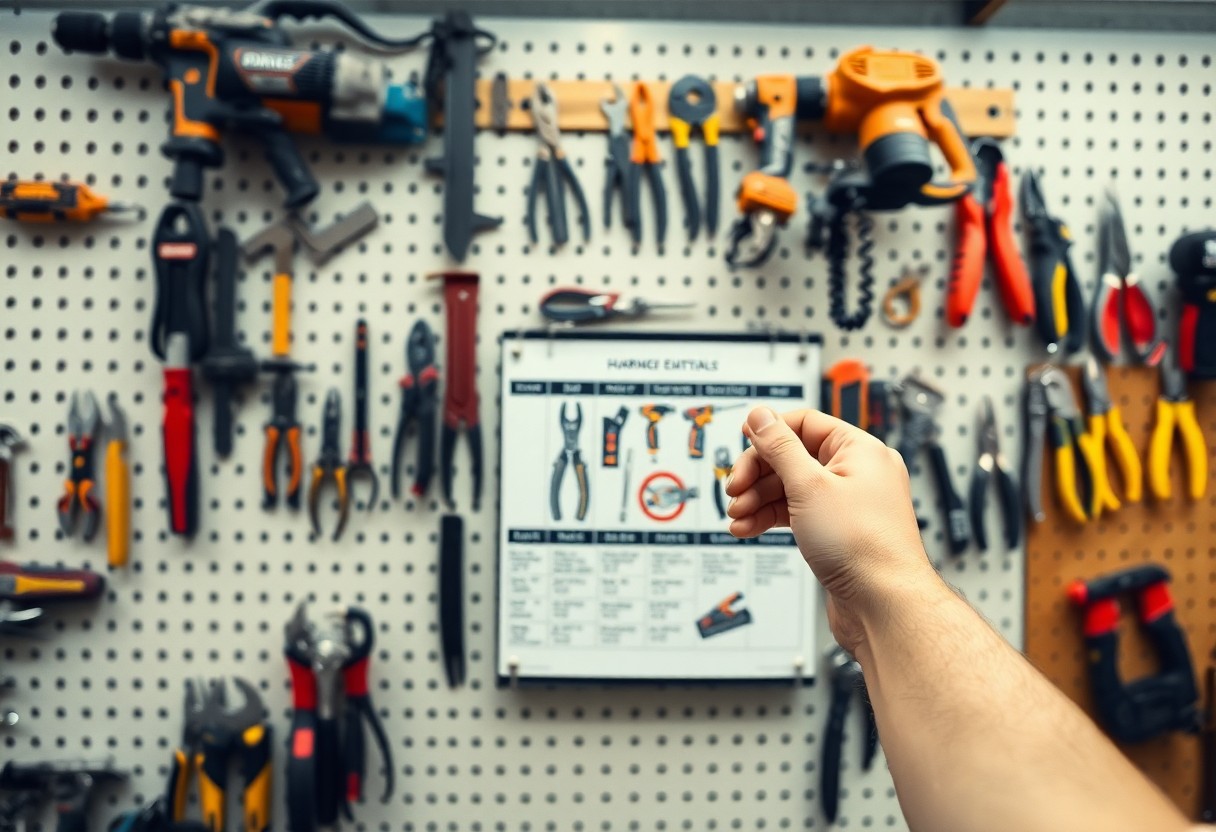
Proper storage and organization of tools are crucial for easy access and maintaining their condition. Utilize wall-mounted pegboards to hang tools vertically, which not only saves space but also allows you to see all your tools at a glance. Investing in toolboxes with compartments can keep smaller items like screws and nails organized, reducing the time spent searching for the right part. This organized approach helps ensure your tools are readily available when needed, minimizing downtime during projects.
Using protective cases for sensitive or specialty tools is also important. These cases can prevent damage from impact and exposure to moisture. Additionally, storing tools in a climate-controlled environment helps mitigate the risks associated with temperature fluctuations and humidity, which can compromise their quality. Any improper storage can lead to damage that may result in unnecessary expenses for replacements.
- Regular maintenance helps extend tool life.
- Storage and organization prevent damage and enhance accessibility.
- Protective cases minimize exposure to elements.
- Vertical storage saves space and improves visibility.
Incorporating a labeling system for your stored tools can further enhance organization. By clearly labeling shelves, drawers, or boxes, you ensure that each tool has a designated spot, making it easier to return them after use. This practice not only promotes a tidy workspace but also helps you keep track of your inventory, so you never find yourself searching aimlessly for tools again. Any well-organized system boosts efficiency by streamlining your workflow.
- Labeling systems enhance organization and inventory control.
- Designated spots prevent searching and promote tidiness.
- Tidy workspace boosts efficiency and focus.
- Accessibility minimizes downtime during projects.
To wrap up
With these considerations, you should recognize the importance of selecting the right tool for each specific task. The appropriate tool not only enhances your efficiency but also ensures the quality and safety of your work. By evaluating your objectives and understanding the unique requirements of each project, you can avoid unnecessary complications and achieve better results.
Your decision-making process should incorporate factors such as material compatibility, task complexity, and the ease of use of the tools at your disposal. By aligning your tools with the tasks at hand, you empower yourself to work more effectively and enhance your overall productivity. Prioritize tool selection in your workflow, and you’ll likely find that your results improve significantly.
FAQ
Q: How do I determine the right tool for a specific task?
A: Assess the task requirements by considering factors like the material involved, the complexity of the job, and the desired outcome. Research or consult with experts to identify tools designed explicitly for those requirements.
Q: What are the consequences of using the wrong tool?
A: Using an inappropriate tool can lead to ineffective results, increased time and effort, potential damage to the workpiece, and safety hazards for the user. It is necessary to select tools designed for the specific task to avoid these issues.
Q: Are there general categories of tools I should be aware of?
A: Yes, tools can typically be categorized into hand tools, power tools, measuring tools, and specialized tools. Each category serves different purposes, and understanding their specific uses will assist in making proper selections for various tasks.
Leave a Reply