LATEST POSTS
-

The Workplace Safety Risk Toronto Employers Keep Underestimating
CONTINUE READING: The Workplace Safety Risk Toronto Employers Keep UnderestimatingYou might think falls or equipment accidents top the list of workplace dangers, but mental health crises triggered by chronic overwork are quietly fueling more lost days than any physical hazard. In Toronto’s fast-paced corporate environment, employees in high-pressure sectors like finance and tech report burnout rates far above the national average, yet psychological safety…
-
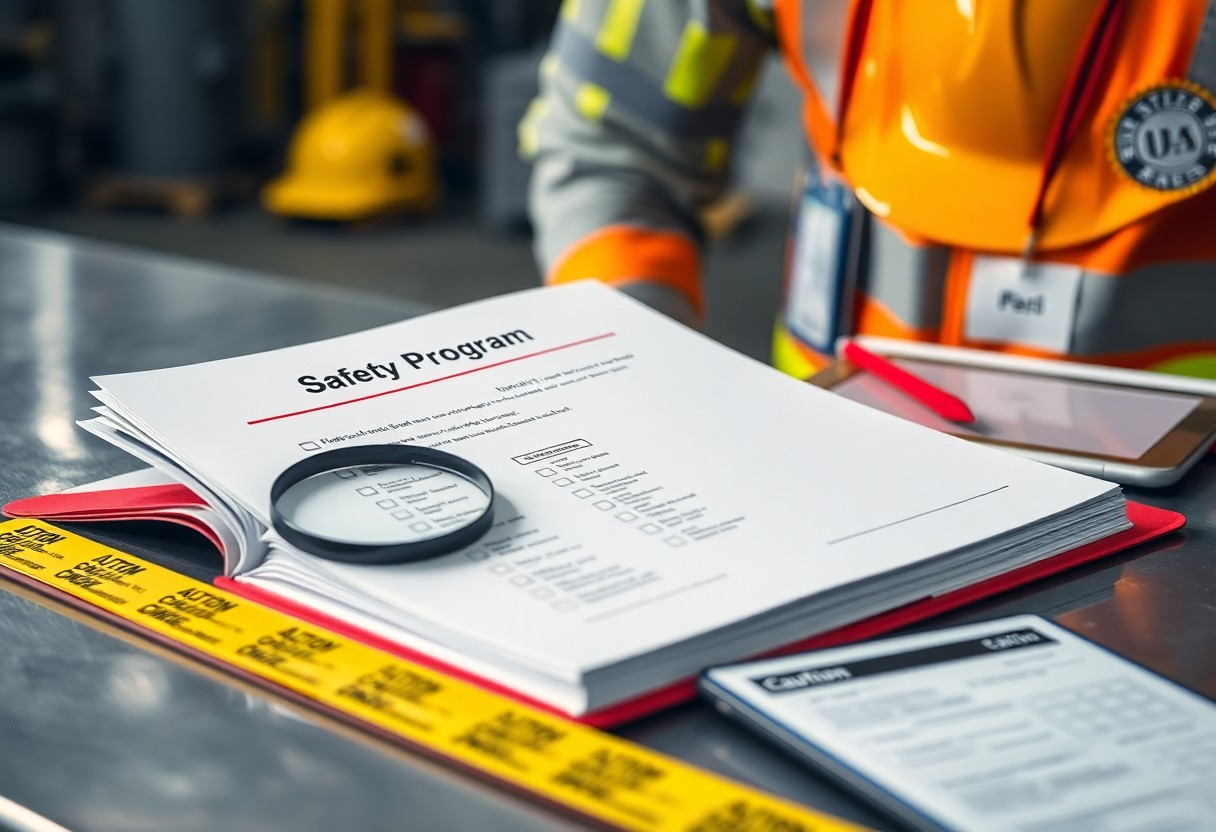
Your Safety Program Looks Compliant—But Would It Survive an Investigation?
CONTINUE READING: Your Safety Program Looks Compliant—But Would It Survive an Investigation?Key Takeaways: A safety program that appears compliant on paper may still fail under regulatory scrutiny if practices in the field do not align with documented procedures, as seen in a 2022 OSHA investigation at a Midwest manufacturing plant where signed training logs contradicted employee testimony about never receiving hazard communication instruction. Inspectors prioritize observable…
-
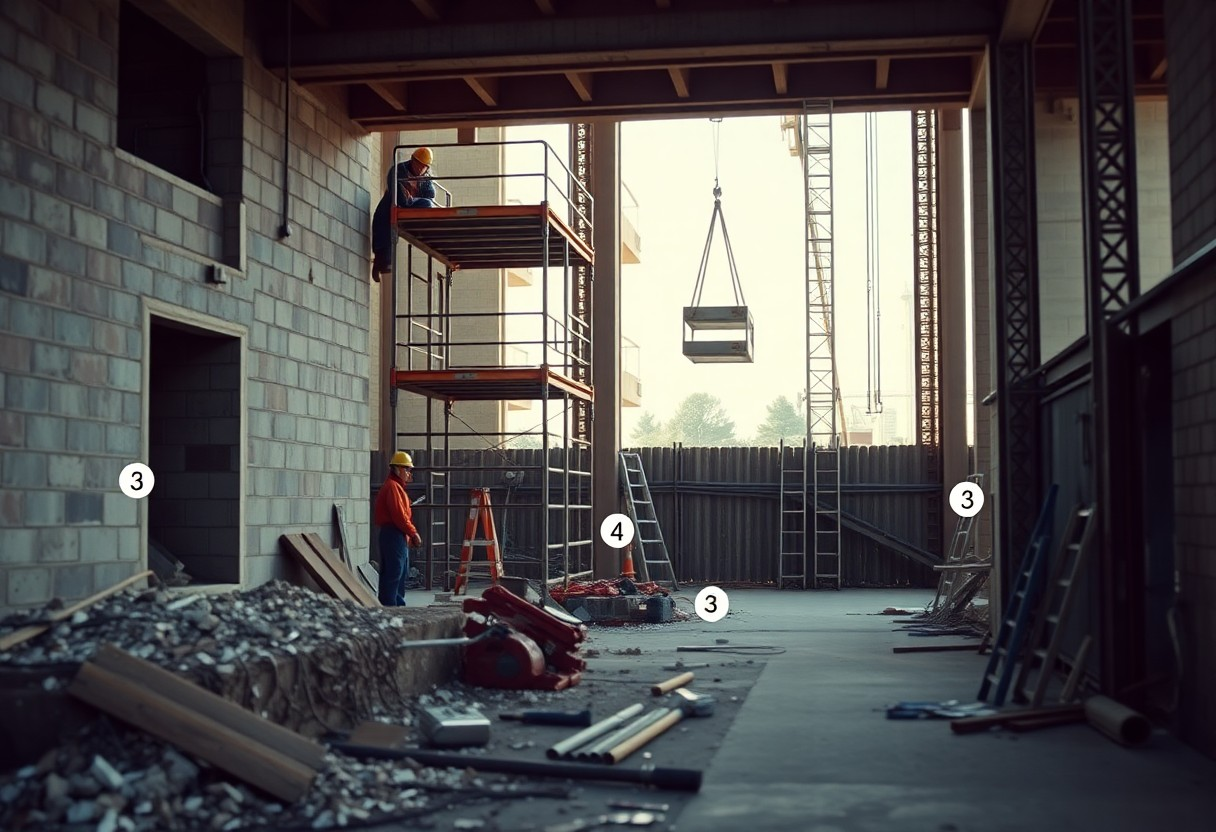
7 Warning Signs Your Contractor Safety Process Is Failing
CONTINUE READING: 7 Warning Signs Your Contractor Safety Process Is FailingContractor incidents often stem from preventable oversights, not unavoidable accidents. If safety documentation is incomplete, communication is inconsistent, or near-misses go unreported, your program may already be compromised. A single fatality can result in six-figure fines and irreversible reputational damage. You are responsible for recognizing the red flags before tragedy strikes. Key Takeaways: A contractor…